
Search Tennessee Death Records
Tennessee death records can be searched through a mix of state archives, statewide indexes, county offices, and city history collections. This guide is built for people who need to locate a Tennessee death certificate, check an older Tennessee death record, or find a local source that fills gaps in the state index. Some Tennessee records are online. Others still require a mail request, an archive visit, or a search through a county or city collection. The right path depends on when the death took place and which Tennessee office kept the record.
Tennessee Death Records Facts
Tennessee Death Records Search Paths
Tennessee death records do not sit in one single database. That is the first thing to know. The state changed how it kept death records over time, and the source you need depends on the year. According to the Tennessee State Library and Archives vital records guide, Tennessee did not require statewide death registration until 1908. That first law expired after 1912. A new law took effect in 1914, which is why 1913 is often called the dead year for Tennessee death records. If you are trying to search Tennessee death records around that break, you may need to use more than one source.
For newer Tennessee death records, the main office is the Tennessee Office of Vital Records information page maintained through CDC. That source explains where certified copies are issued, what identification is required, and where requests are sent in Nashville. The state office keeps death records for 50 years. After that, the record trail often moves to the archives. That split matters. A Tennessee death certificate from the last few decades usually starts with the health department. An older Tennessee death record often starts with an archive index or a county level source.
Researchers should also keep city history in mind. The archives guide notes that Nashville began keeping death records in 1874, Chattanooga in 1872, Knoxville in 1881, and Memphis in 1848. Those early city collections can matter a great deal when a Tennessee death record predates statewide registration. A search that fails in the state index may still succeed in a city collection or local archive.
Note: Tennessee death records from different eras can overlap, so a strong search often checks both the statewide index and the local source tied to the place of death.
Getting Tennessee Death Certificates
Many people need a Tennessee death certificate for estate work, insurance, family history, or court use. The request steps are direct, but they still require care. The CDC Tennessee vital records page lists the Nashville mailing address for Tennessee Vital Records at Andrew Johnson Tower, 710 James Robertson Parkway, Nashville, Tennessee 37243. It also notes that a signed government photo ID should accompany the request. If you are ordering by mail, the payment method listed in the research is a personal check or money order payable to Tennessee Vital Records.
The archived Tennessee Department of Health vital records page adds useful context because it explains that the office reviews, registers, amends, issues, and maintains original certificates under Tennessee law. That matters for users who need a certified copy instead of just an index result. An index helps you find a death record. The state office issues the formal certificate when the record falls inside its retention period.
If the record is older, the request path changes. The research points to the Tennessee State Library and Archives and to the broader Secretary of State contact page, both of which help with archive access and reference desk support. Tennessee death records older than 50 years are generally maintained by the archives, and that is where many historical searches become more productive.
A Tennessee death certificate request goes more smoothly when you have the full name, the date of death or a narrow date range, the county of death if known, and the spouse's name if known. Those details come up again and again in the Tennessee research. They are especially important when an archive team must search a narrow span rather than an indexed database.
Historic Tennessee Death Records
A large share of Tennessee death records research involves older files. That is where the archives material becomes the backbone of the search. The state guide says Tennessee death records from 1908 to 1965 are available online through the Tennessee State Library and Archives partnership with Ancestry Tennessee records. Tennessee residents can use that partnership for free. For families tracing a death in the early twentieth century, that single point can save a great deal of time. It is one of the strongest starting points for Tennessee death records before you order a certificate.
The guide also explains why searches fail. Names may be misspelled. First names can appear in short form. An infant may be entered as infant of a parent. A married woman may appear under her husband's name. Those are not minor footnotes. They shape how you search Tennessee death records. The best practice is to search several spelling forms, use a broad year span if exact dates are unknown, and stay alert for alternate name formats. Tennessee index entries can differ from the way a family remembers a name.
For deeper context, the CDC National Vital Statistics System helps explain why death certificates contain standard legal and medical fields, while the National Archives genealogy resources can support a search with census records and federal material that help confirm a person's death window, residence, or family structure. Those sources do not replace Tennessee death records. They help narrow the search when the Tennessee record is hard to pin down.
Tennessee State Library and Archives also gives practical research help. The research notes that patrons can work with the reference desk, request retrieval during set archive hours, and use genealogy materials onsite. When a Tennessee death record is not easy to find online, the archive visit path becomes important.
The vital records guide is also clear about a hard limit. If a death happened in 1913, there may be no Tennessee death certificate at all because the first registration law had expired and the later law had not started yet. In those cases, obituary sources, cemetery records, church files, and local history collections may do more work than the state vital record trail.
Before you open this Tennessee State Library and Archives guide, use the source link so the context is clear: Tennessee vital records at the library and archives.
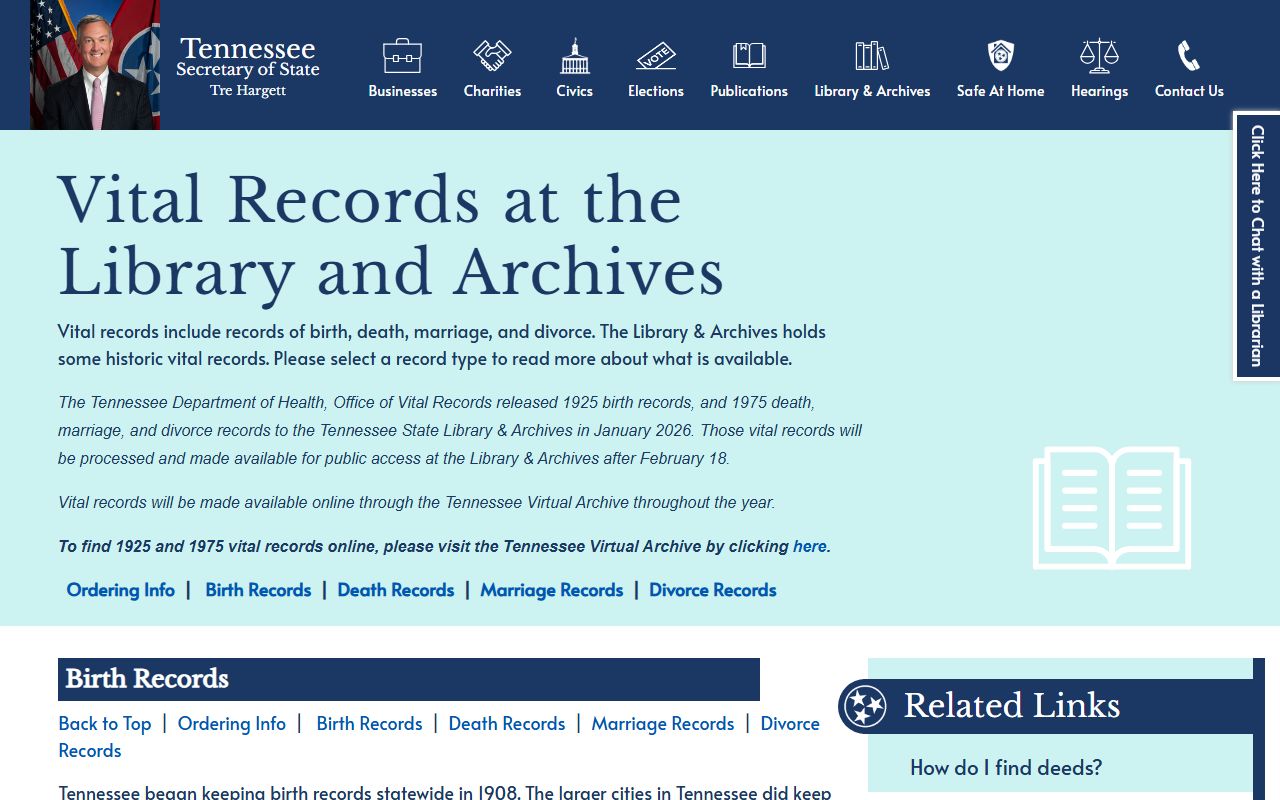
This source is one of the best summaries of how Tennessee death records split across eras and offices.
The official ordering path for modern certificates is described here: CDC Tennessee vital records information.
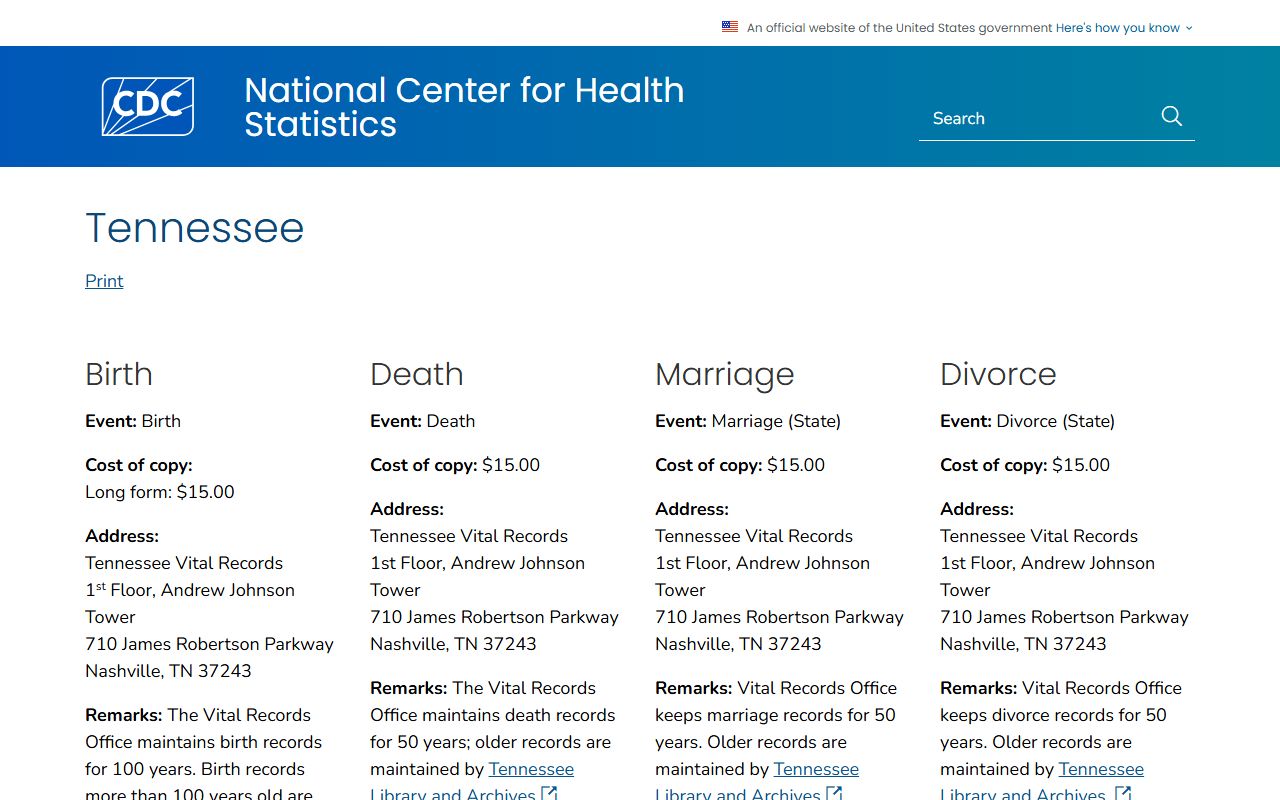
That page supports Tennessee death certificate requests, ID requirements, and the Nashville office address.
For a broader archive entry point, this page is useful: Tennessee State Library and Archives main page.

It ties Tennessee death records research to the larger archive and genealogy system.
The archived health department page still helps explain record custody: archived Tennessee vital records page.
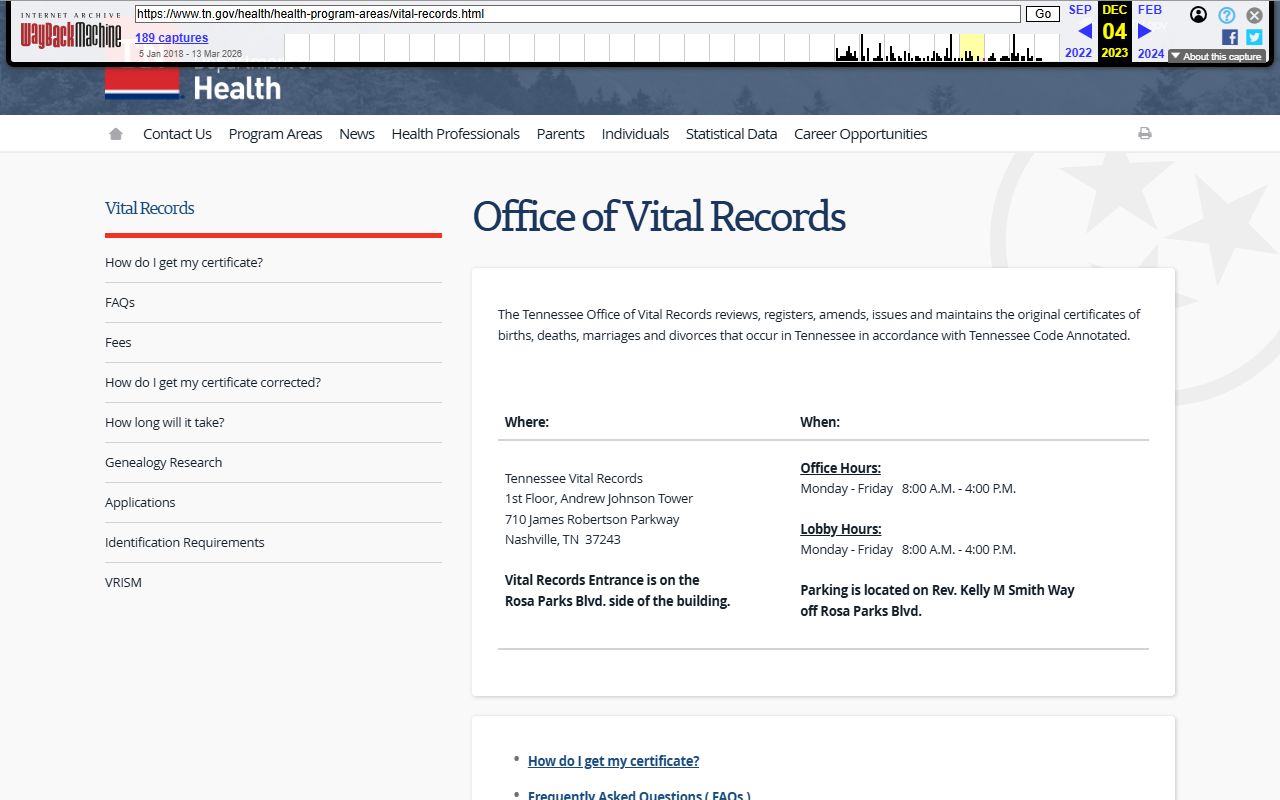
It is useful when current pages move or change.
Tennessee Death Records Search Tips
Search strategy matters. The Tennessee guide explains that records may list surnames with spelling shifts, short given names, blanks for unnamed children, or husband-name entries for married women. When a Tennessee death record is not obvious, widen the search. Try a three-year window. Search the county if you know it. Use spouse names when the archive asks for them. That kind of flexible search is often the difference between finding a Tennessee death certificate number and ending with no result.
The research also highlights special Tennessee collections that are easy to miss. The Shelby County Register of Deeds hosts an online index to Shelby County death records from 1848 to 1966 and a statewide Tennessee death records index for 1949 to 2014. For people with Memphis ties or mid-century Tennessee research, that is a strong search route. The TNGenWeb Project is also valuable for county-level history, cemetery listings, obituary leads, and local context. It does not replace a Tennessee death certificate. It often helps identify the county, cemetery, or year you need before you search the formal record.
Genealogy researchers may also use the free DeadFred genealogy photo archive to connect families with historical photos, though it functions best as a supporting tool rather than a direct Tennessee death records source. It can still help confirm family groups when you are working through a long Tennessee death records problem and want to compare names, relatives, or time periods.
A good Tennessee death records search often moves in stages:
- Start with the broad statewide Tennessee index.
- Check whether the death falls in an earlier city collection.
- Use county or city library genealogy resources when the index is thin.
- Order the certificate only after you confirm the likely match.
- Use archive staff help when the search window is narrow but unclear.
Note: Tennessee death records research is strongest when you confirm the place of death first, since the county and city of death can redirect the entire search path.
Tennessee Death Records Access Rules
Tennessee death records exist inside a legal framework, even when the practical search starts with an archive page. The research cites Tennessee Code provisions on death records through Tennessee death records statutes. That material helps explain filing requirements, record handling, and the legal structure around access and amendments. It is not the easiest place to begin a search, but it is useful when you need to understand why a Tennessee office holds a record, why the certificate format is standardized, or why some requests require formal documentation.
Access rules also show up in practice. A modern Tennessee death certificate request requires identification. Historical Tennessee death records often require enough detail for staff to search a narrow period. Archive collections may have set hours for retrieval. These are not barriers so much as the normal rules of the system. The research on the Secretary of State contact page and TSLA portal helps clarify hours, reference contacts, and archive procedures that shape an in-person Tennessee death records search.
Before using these supporting research tools, start with the source links: CDC National Vital Statistics System, National Archives genealogy resources, TNGenWeb Project, and Shelby County Register of Deeds death index.
The national system gives context for what appears on a Tennessee death certificate and why the records are structured the way they are.
This archive support page can help with genealogy work: National Archives genealogy resources.
It works best as a companion source when you need federal records to support a Tennessee death records search.
This county-history source often helps fill local gaps: TNGenWeb Project.

It can point you toward cemeteries, county history, and obituary leads tied to Tennessee death records.
This statewide and Shelby-focused source can be especially helpful: Shelby County Register of Deeds death records index.

It combines a local Shelby County death records index with a statewide Tennessee death records index for later years.
Tennessee Death Records Genealogy Tools
Not every Tennessee death records search ends with a certificate order. Some searches are about context. A library obituary index may confirm the date. A city cemetery index may confirm burial. A county history site may help you place a person in the right jurisdiction. That is why the strongest Tennessee death records work often blends formal record sources with genealogy tools. The archive guide, TSLA portal, TNGenWeb, the Shelby register index, local libraries, and city collections all serve different parts of the same research path.
Before using this broader Tennessee records database, start with the linked source: Ancestry Tennessee records.
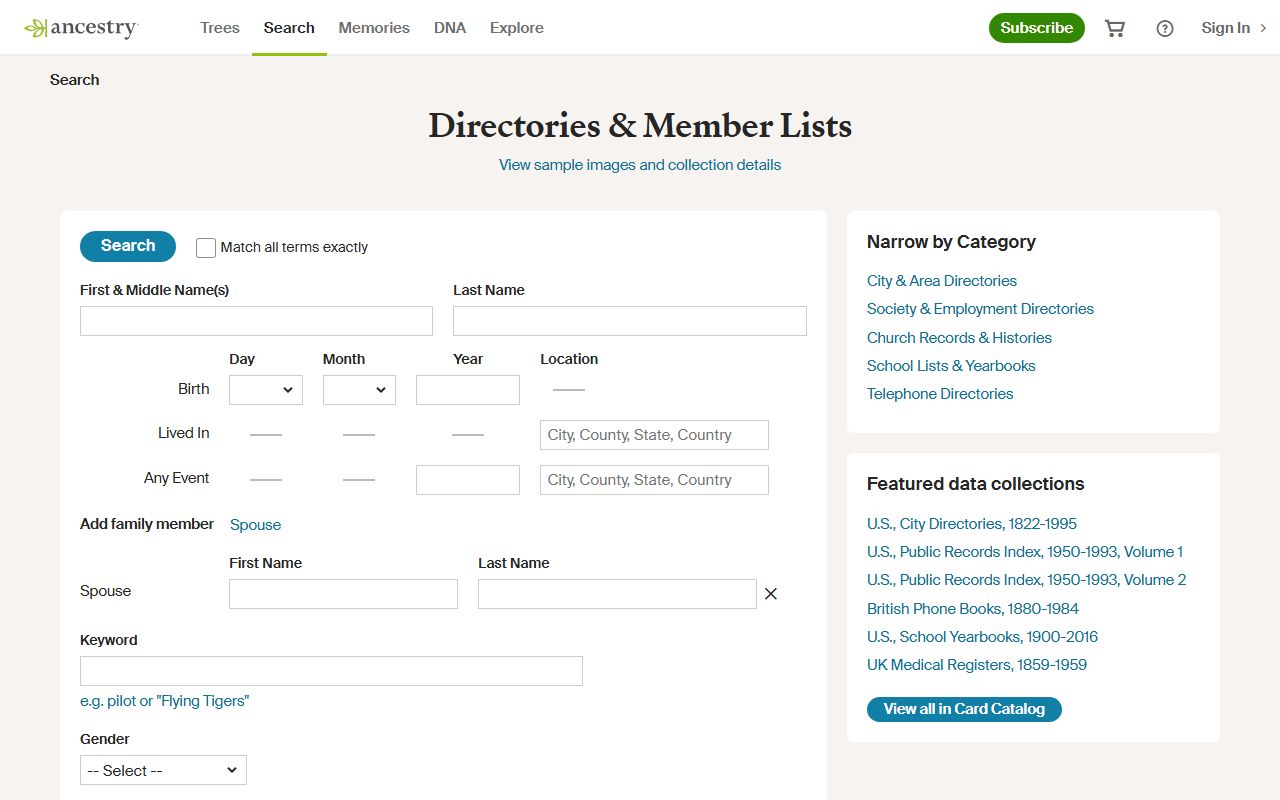
The archive partnership makes this source especially useful for Tennessee death records from 1908 through 1965.
This supporting genealogy photo tool may also help family history work: DeadFred genealogy photo archive.
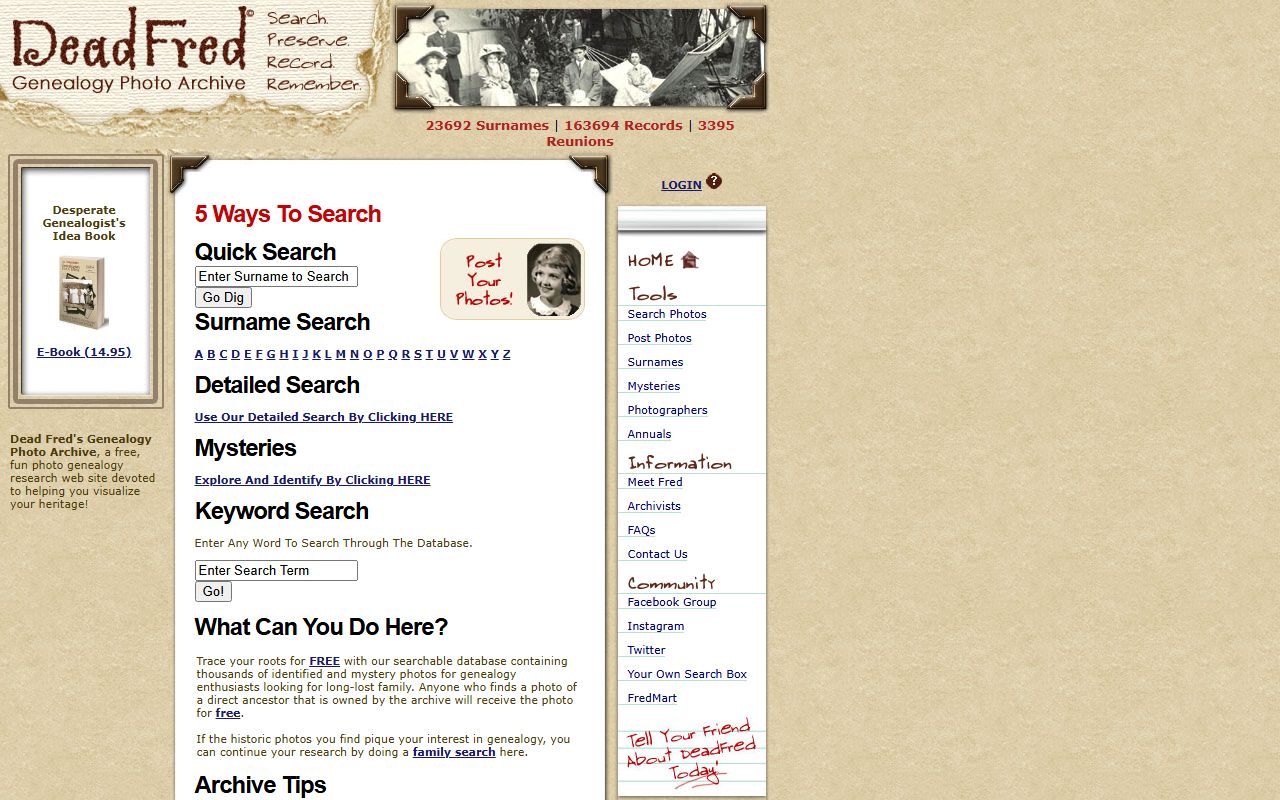
It is not a certificate source, but it can support a deeper Tennessee death records project built around family reconstruction.
Browse Tennessee Death Records by County
County pages on this Tennessee death records site focus on local offices, archive leads, library support, and the best state fallback resources for each part of Tennessee.
Tennessee Death Records in Cities
City pages highlight early city death record collections, library research help, cemetery indexes, and the county office that usually supports the formal death certificate trail.