
Find Bristol Death Records in Sullivan County
Bristol death records are easiest to handle when you treat the city as part of a larger Sullivan County search path. Bristol sits on the Tennessee-Virginia border, so local records work best when you first decide whether the person lived, died, or was buried on the Tennessee side of the line. Once that is clear, the city public-records page, the county government system, the Bristol library, and the Tennessee archive and vital-records sources can work together instead of competing with one another. That matters in Bristol because the city has a strong local identity, but the official death-certificate trail still turns on county and state record rules.
Bristol Death Records Facts
Bristol Death Records Path
The City of Bristol public-records page is the right place to understand what the city itself can provide. Bristol says the Tennessee Public Records Act makes municipal records open for public inspection during the city’s regular business hours, and it explains that requests can be made with the city’s public-records request form. It also says requests may be submitted in person to the City Attorney at City Hall, Room 201, by email, or by fax. That is useful context for Bristol death records research because it tells you where the city’s records contact is, even though the city itself is not the office that issues Tennessee death certificates.
Before you open the Bristol city portal image below, start with the public-records page here: Request Public Records.
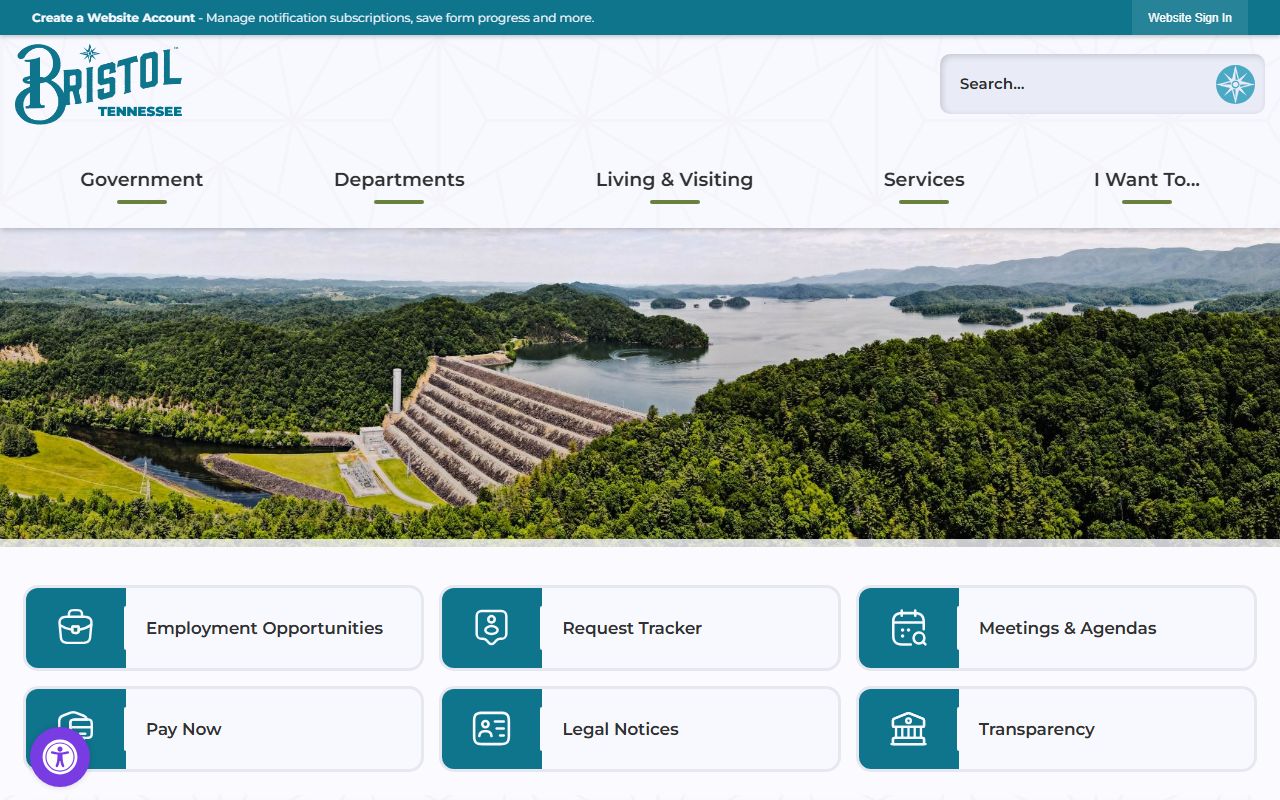
This city portal image is useful because Bristol’s public-records policy shows how to reach the city attorney and where to begin if you need a city-held record trail.
Bristol’s city page also notes that the requester must be a Tennessee citizen to inspect or obtain copies of public records, with narrow exceptions for certain police and building-permit requests. That matters because it reinforces the difference between city public records and death certificates. A death record search in Bristol usually starts with the city for orientation, but it still moves into Sullivan County or the Tennessee state system when you need the actual vital record.
Sullivan County Death Records for Bristol
Sullivan County is the county side of the Bristol search. TSLA says Sullivan County was formed in 1779 from Washington County, the county seat is Blountville, and there was a courthouse fire in 1863. Those facts matter because Bristol families can show up in county court minutes, wills, deeds, cemetery material, and newspaper references that were preserved in different ways after that fire. A Bristol death record search is therefore not just a city search. It is a Sullivan County search that starts with the city clue and then moves outward.
The county government context is just as important. The Sullivan County Government site serves Bristol and brings together county services, the Health Department, County Clerk, Register of Deeds, court system, public records, online services, and historical information. That is the practical county framework behind a Bristol death record search. The city clue helps you orient the person and place, but the county offices are where the record trail usually becomes official.
TSLA’s Sullivan County fact sheet also shows why this county can be a strong historical source. It lists early records such as marriages from 1863, wills from 1838, a deed index from 1781, county court minutes from 1861, circuit court minutes from 1879, and tax books from 1877. It also notes that newspapers were published in Blountville, Bluff City, Bristol, Kingsport, and Union, with scattered early issues available from 1857 and a complete run beginning in 1944. That is a strong local clue for Bristol because a death notice or obituary may be easier to find in local papers than in the first certificate search.
Before you use the Sullivan County archive image below, open the county fact sheet first: Genealogical fact sheets about Sullivan County.
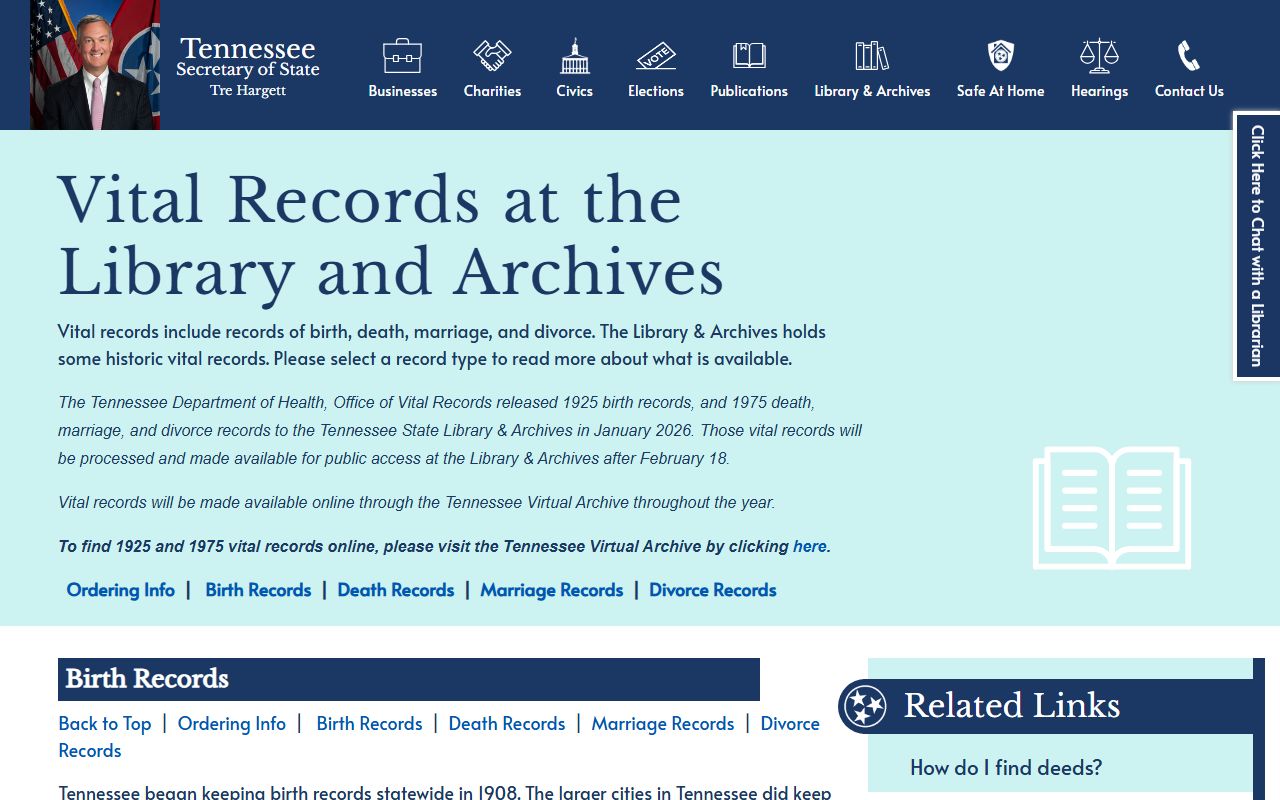
This state fallback image fits the Sullivan County history path because Bristol researchers often need the county record trail before the certificate request makes sense.
Bristol Library And Local History
The Bristol Public Library is a strong local-history stop for Bristol death records even though it sits across the state line in the broader Bristol community. Its website shows a genealogy department, a reference department, and the “Digital Archives Open” area that includes cemetery records, local family trees, bible records, and historic building resources. Those collections are exactly the kind of tools that help you narrow a death date, confirm a spouse, or locate a burial reference before you request a certified copy.
Before you open the Bristol Public Library image below, start with the library site here: Bristol Public Library.

This library image points to the local history tools that can turn a broad Bristol search into a usable family and date match.
The city’s border location makes this library path especially useful. A Bristol family may have ties to both sides of the state line, but the Tennessee death-record question still needs a county and state answer. The library helps with context first. It can surface an obituary, a church record, a cemetery note, or a family-tree clue that tells you whether the Tennessee side is the right place to keep searching.
That local history work also pairs well with the Sullivan County public-records structure. A death may appear in an old county file, a local newspaper, or a family-history source before it appears in the modern certificate system. Bristol researchers usually save time when they let the library and county records narrow the target before they order anything.
Bristol Death Certificates And Archives
When a Bristol death is recent enough to need a certified copy, Tennessee Vital Records is the correct state path. The CDC Tennessee vital records page gives the current ordering details: death certificates cost $15, a valid government-issued ID with the requestor’s signature is required, and Tennessee Vital Records maintains death records for 50 years before older records move to the Tennessee State Library and Archives. That makes the state office the right endpoint for a recent Bristol certificate request, even if the city and county records helped identify the person first.
Before you open the Tennessee certificate image below, start with the CDC page here: CDC Tennessee vital records information.
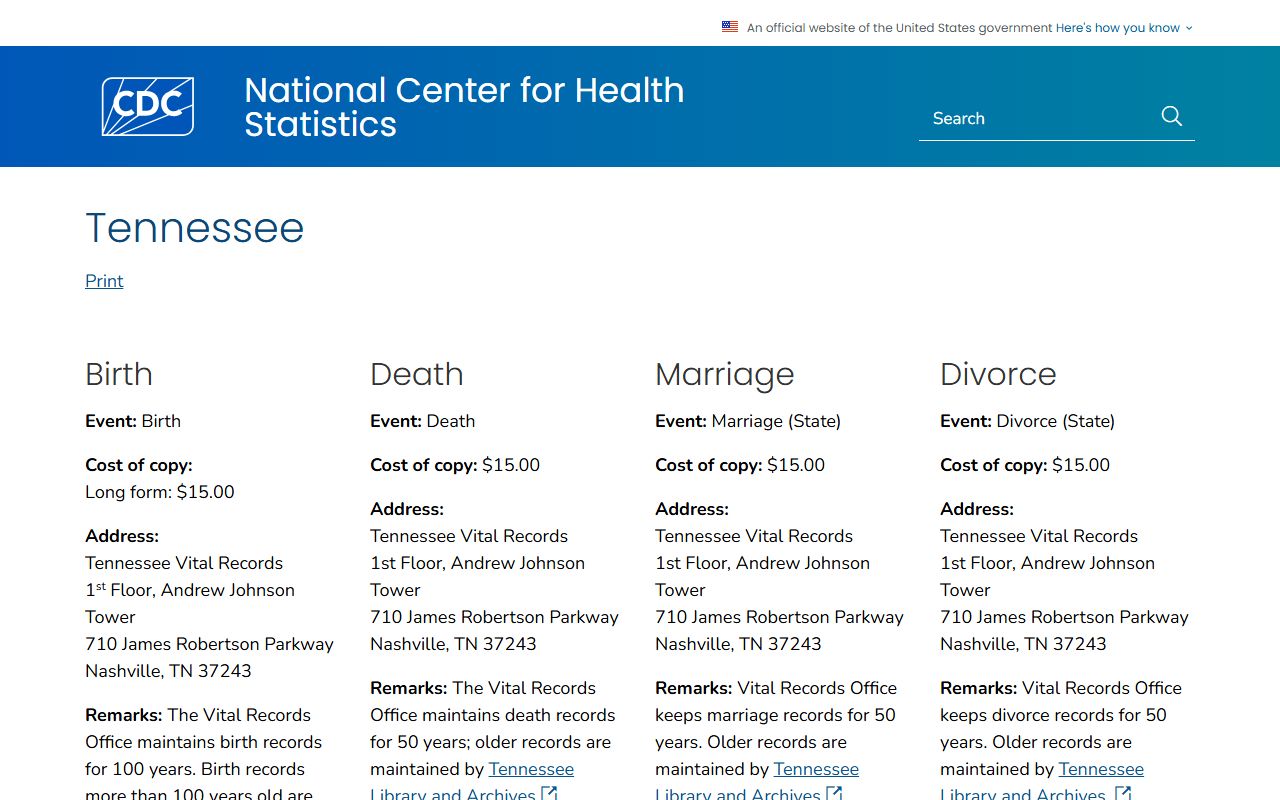
This fallback image represents the state certificate route, which is the right next step when a Bristol death record must be ordered instead of researched.
The TSLA vital-records guide is the next piece of the puzzle for older Bristol deaths. It explains that Tennessee did not require death records until 1908, that the first law expired at the end of 1912, and that 1913 is commonly treated as a dead year before the next law took effect in 1914. For Bristol, that matters because older deaths may need TSLA indexes, county history, or newspaper evidence before they can be matched to a certificate number. The guide also explains the state archive workflow for people who need a record rather than a city contact.
Before you use the TSLA guide image below, open the archive guide here: Vital Records at the Library and Archives.

This image supports the older-record path, where Bristol researchers often need TSLA guidance before they can order a state certificate.
The legal framework behind all of this sits in Tennessee law. Tennessee Code section 68-3-205 provides that after fifty years, death records in the custody of the state registrar are available to the public under the applicable rules, and it also recognizes microfilm copies in the state library and archives or a local library. That is why the library and archive path still matters in Bristol even when the final certificate comes from Nashville.
Bristol Death Records Tips
The most efficient Bristol death records search starts with the exact place clue. Use Bristol, then decide whether the Tennessee side of the border is likely. Add the surname, a spouse, a parent, or a burial clue if you have one. If the family lived in Bristol for a long time, the surname may show up in a church record, a cemetery list, a newspaper notice, or a county court reference before it appears in the state index. The Bristol search is really a city-plus-county search, so you save time when you keep both pieces in view.
Use this search order first:
- Start with the Bristol public-records page for the city contact path and public-record rules.
- Check Sullivan County for county offices, record custody, and the county seat at Blountville.
- Use the Bristol Public Library for cemetery records, local family trees, and obituary clues.
- Use TSLA when the death is older or when you need a historical index or certificate number.
- Use Tennessee Vital Records when you need the certified copy for a recent death.
That sequence works because it matches how Bristol records are actually organized. The city helps orient the search, the county helps locate the record trail, the library helps identify the person, and the state office handles the legal copy. Bristol is a border city, but the Tennessee death-record workflow still follows that same basic pattern.
TSLA also notes that Sullivan County newspapers include Bristol issues and that early issues survive in part, which makes local newspaper work worth checking when the death year is unclear. A clean obituary or death notice can reduce a broad Bristol search to a much smaller set of likely records, especially when the surname is common or the family moved between Bristol and nearby Sullivan County communities.
Bristol death records usually become easier when you treat the city, county, library, and state office as one path instead of four separate searches. That keeps the work grounded in the local record trail and reduces the chance of ordering the wrong certificate or stopping too early.