
Germantown Death Records Search
Germantown death records are tied to Shelby County, the city government, and a strong local research network east of Memphis. That matters because Germantown is not just another suburb. Its horse show tradition and historic district create a local history trail that can help identify the right family, the right neighborhood, or the right year before you request a certificate. If you already know the death year, you can move faster. If you only know the surname, the city, county, and library sources give you the context that a statewide index does not always show.
Germantown Death Records Facts
Germantown Death Records Search Paths
The City of Germantown website is the first local place to check because it gives you city services, public records access, multiple departments, online services, business services, community resources, contact information, and meeting information in one place. Before you start guessing which office might know where a Germantown death record lives, open the city portal here: City of Germantown. That site can help you figure out who to contact, where to ask, and whether the question belongs with the city or with Shelby County.
Germantown’s identity matters to the search too. A city known for horse shows and a historic district tends to leave local traces in neighborhood histories, civic records, and community references that make a surname easier to place. Those details do not replace a certificate, but they often help you confirm that you are looking at the correct person. If the family lived in Germantown for a long time, the city portal can anchor the search before you move to county or state records.
When the death is recent, the county and state paths matter most. When the death is older, the city portal becomes even more useful because it can point you toward public records, local contacts, and a better understanding of how Germantown fits into the Shelby County record trail.
Germantown Death Records in Shelby County
Shelby County Government is the main county-level source for Germantown death records. The county site serves Germantown and brings together county services, the Health Department, the County Clerk, the court system, public records, online services, county archives, contact information, and business hours. Open the county portal here: Shelby County Government. That is the place to start when you need to know which county office handles the certificate, the index, or the supporting record trail.
For an index lead, the Shelby County Register of Deeds is especially important because the death records index can help you confirm whether the person appears in county records before you order anything. Use the register site here: Shelby County Register of Deeds. A Germantown death records search often gets easier once you know whether the county has an index entry, a filing clue, or a related record that points to the right year.
County archives also matter when the death is older or when the family story is incomplete. The county site can help you locate the right office hours and the right department, while the archives or register trail can narrow down the date range. That is useful in Germantown because suburban growth can hide older family lines behind later address changes. If the first search misses, the county layer still gives you the structure to keep going.
When you are trying to separate a modern certificate request from an older research problem, think of Shelby County as the practical bridge. It is where the city clue becomes a file path, and where a name becomes something you can verify.
Germantown Death Records and the Library
The Germantown Community Library is one of the best local tools for turning a broad death-record search into a precise one. Before you request a certificate or chase a county index, open the library site here: Germantown Community Library. The library offers a local history collection, genealogy resources, reference services, computer access, Tennessee materials, family history assistance, online databases, interlibrary loan, community programs, and research help. That mix is exactly what a Germantown death records search needs when the surname is common or the family memory is vague.
The library is especially valuable for older Germantown deaths because local history resources can surface obituaries, cemetery references, family files, and Tennessee material that is not obvious in a standard index. If you know the person lived near Germantown’s historic district, or if the family was connected to the city’s horse show culture, the library may provide the kind of local context that turns a broad guess into a target. A library search can also help when you need spellings, alternate names, or a better date range before you contact the county.
Before you order anything, use the library to narrow the question. That is usually the fastest way to avoid paying for a certificate that does not match the right person. Germantown’s local research strength is not just convenience, it is a practical way to reduce errors.
The library also works well as a bridge between city history and county records. It can help you confirm a burial clue, a neighborhood, or a family line, then hand you enough detail to make the county and state search much cleaner.
Germantown Death Certificates
When you need the certified copy, the Tennessee state system is the final step. For the official request path, use the CDC Tennessee vital records page here: CDC Tennessee vital records information. It gives the current Nashville mailing address and the identification rule for Tennessee requests. That is the route you use when the Germantown death is recent enough to remain in the state certificate system. The local city, county, and library sources help you identify the right person first, then the state office gives you the copy.
For older records, the Tennessee State Library and Archives guide is just as important. Use it here: Tennessee vital records at the library and archives. The guide explains the 1908 start of statewide registration and the 1913 gap that can affect older Tennessee death searches. That matters in Germantown because older deaths may sit in county materials, local history collections, or other record sets before they show up cleanly in the modern state path.
If you are not sure whether the person is old enough for an archive-based search, start with the family clues and work backward. A spouse, parent, burial place, or neighborhood can help you decide whether the county index or the state certificate request is the better next move. The wrong order can waste time, but the right order keeps the search focused.
Before you request the certificate, keep the full name, approximate death year, Shelby County if known, and any family names that appear in notes or obituaries. Those details make the request more accurate and help you avoid a mismatch.
The broader Shelby County record trail can also support the state request. If you need a county-specific index lead before you order, the register of deeds page and the county archives can confirm whether the death is likely to be found in a local county source.
For broader Tennessee guidance, the TSLA county records page is also useful here: TSLA county records. It provides the county record framework that often helps when a Germantown death records search needs one more clue before the certificate request.
Before the state request, check the source here: CDC Tennessee vital records information.
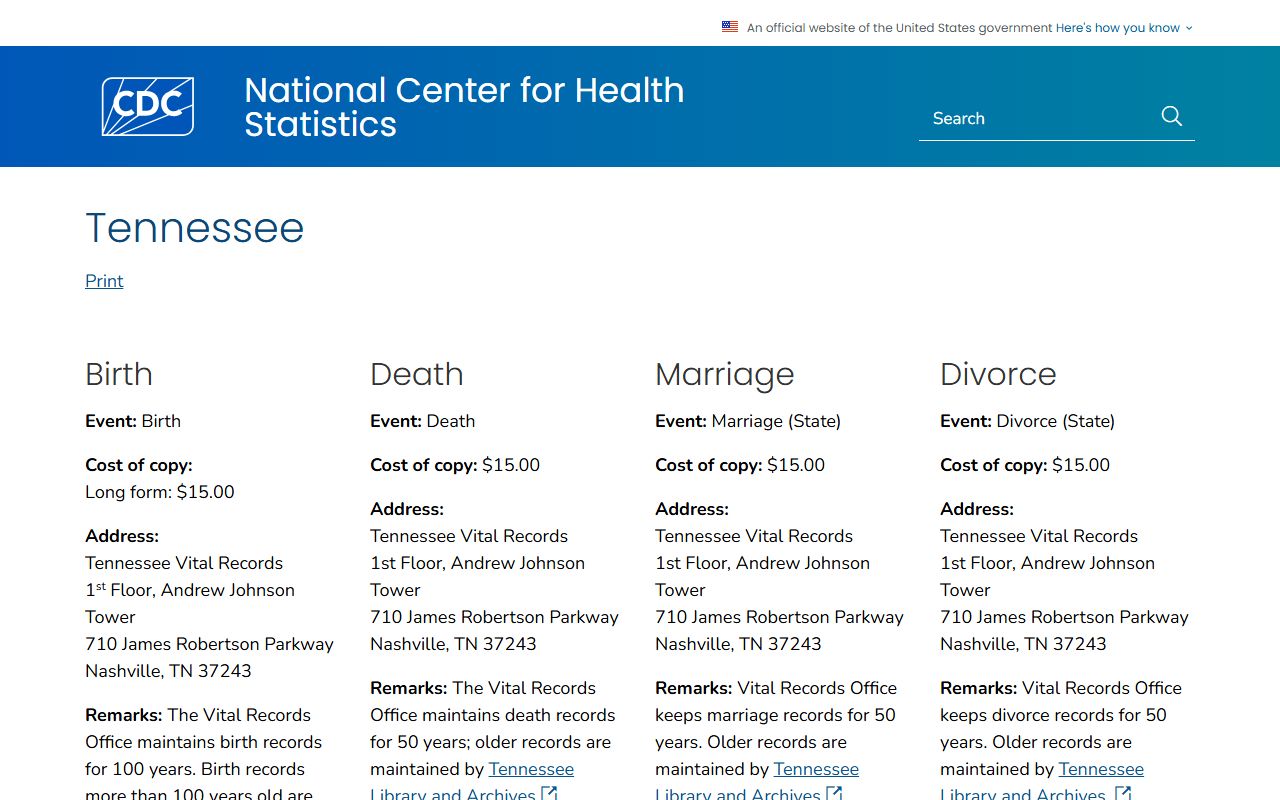
This state image points to the official Tennessee certificate path that comes after the local Germantown and Shelby County search work is done.
Germantown Death Records and Local History
Germantown’s historic district gives local death-record research a helpful advantage. When a city has a recognizable historic core, older addresses, family businesses, and neighborhood patterns often survive in local references even when the death certificate is not immediately obvious. That makes Germantown a good place to use city history, county files, and library sources together instead of treating each source as a separate search. A person linked to the historic district may appear in a local history note, a burial reference, or a family collection before they appear in a standard record index.
Before you open the library collection, start with the source link here: Germantown Community Library genealogy resources.

This library image points to the local research stop that can uncover Tennessee materials, genealogy help, and family history clues for Germantown searches.
The horse show tradition matters in a softer but still useful way. It tells you Germantown has a long civic identity, not just a recent suburban one. That can help explain why a family name keeps showing up in older references, why a local obituary is worth checking, or why the library may have stronger local history material than you expected. It is the kind of clue that helps a search become specific instead of generic.
In practice, the best Germantown death records searches move from city context to county filing trail to state certificate. That sequence respects the way Tennessee records are organized and makes it easier to find the right person without over-ordering or guessing. If the first source is not enough, the next one usually gives you the missing piece.
Note: Germantown death records searches work best when you use the city history, Shelby County filing trail, and state certificate path together instead of one at a time.
Germantown Search Tips
A good Germantown death records search starts with the basics and stays local as long as possible. Full name, rough death year, and Shelby County are usually enough to decide whether you should begin with the city portal, the county register, or the library. If the death is recent, the state certificate path becomes important quickly. If the death is older, the library and county archives can save time by pointing you to the right year, spelling, or family line before you place a request.
Germantown also benefits from a layered approach because city resources, county records, and local history are all relevant. The city site gives you public records and contact information. The county site gives you the official filing structure. The library gives you research help. The state office gives you the certified copy. When you use them in that order, the search is usually cleaner and the result is more accurate.
Note: Germantown death records often require one local clue before the state request makes sense, especially when the surname is common or the death is older than the current certificate window.