
Search Crockett County Death Records
Crockett County death records are most useful when you know the year, the family name, and the place where the person lived or was buried. Alamo is the county seat, and the county's smaller size can help, but it also means the record trail may pass through more than one office. In Crockett County, local government pages, the public library, the chamber, and Tennessee state archives each help in a different way. Start with the county office, then check the library and the state index if the record is older or if the first search does not land on a match right away.
Crockett County Death Records Facts
Crockett County Death Records Sources
The county government site is the first place to look for office contact details and service hours. Use the Crockett County government website to find the county clerk, register of deeds, and other public record contacts. That matters because Crockett County death records are often easier to search once you know which office has the related files or can point you to the right state source. Even when the death record itself is not kept at the county desk, the county office still gives you a reliable place to begin.
The Crockett County Public Library adds local history and genealogy support. The library can help with family history questions, newspaper leads, and search clues that make a death record easier to match. The Alamo-Crockett County Chamber is another local source that can help you understand the county's background and place names. Those details matter in a county search, because a death record may be tied to a small community, a farm area, or a cemetery that shows up in local history more clearly than it does in the state index.
The state records side starts with the TSLA Crockett County records page. That page is useful because it places death records alongside court, deed, probate, and tax material that can support the search. If the death happened in the years covered by the state system, the Tennessee State Library and Archives path can also lead you back to a copy request or a certificate number. Crockett County searches work best when you keep the county source, the library, and the archives side by side.
Before you move to a statewide search, use the county tools first. They are the fastest way to learn whether the death was recorded locally or needs a state-level request.
The Tennessee State Library and Archives guide is the best state-level map for Crockett County death records: vital records guide.
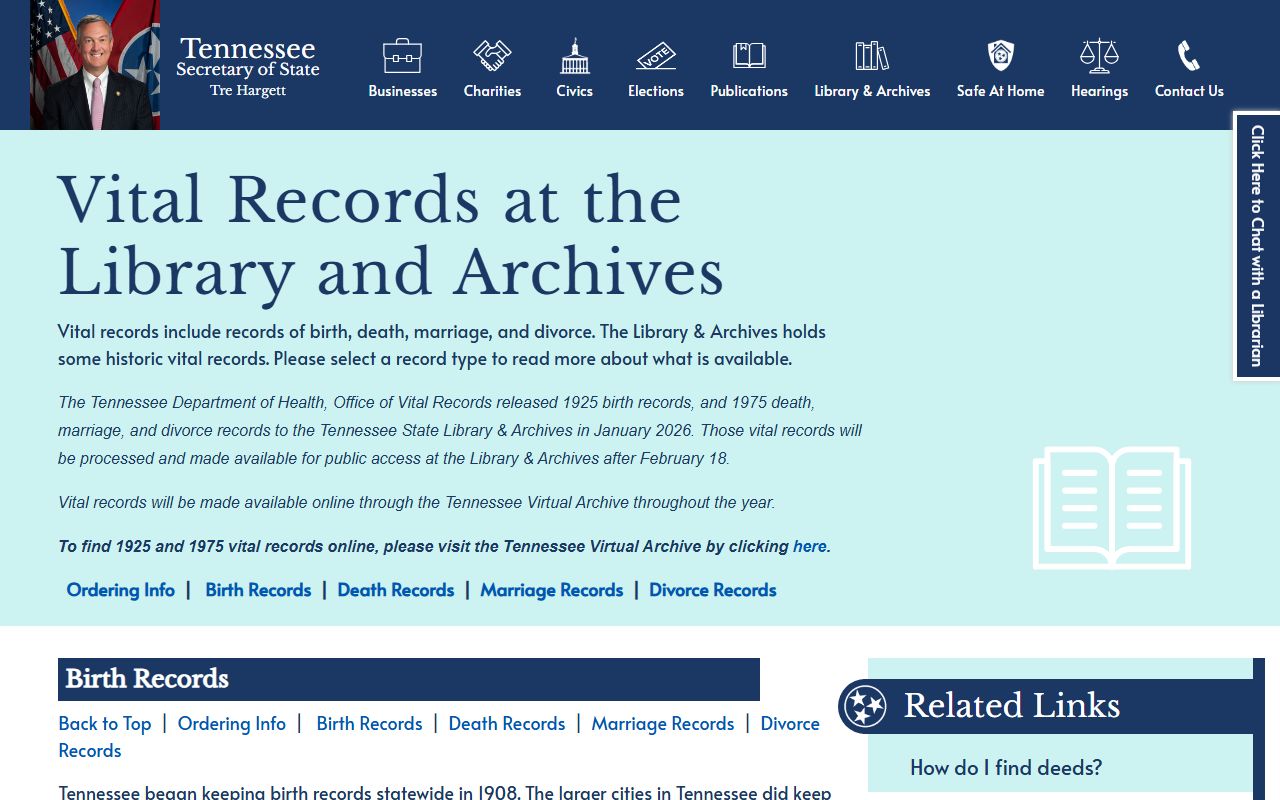
That guide explains how older Tennessee death records and newer death certificates split by date.
Crockett County Death Records History
Crockett County was established in 1871, so the local history is not as deep as the oldest parts of Tennessee, but it still matters. County records, probate files, cemetery clues, and newspaper notices can all help point to the right person. If a death happened before the state system settled in, local history becomes even more useful. A name may appear in a family note, a church record, or a cemetery listing long before it shows up in a formal death certificate file.
That is why Crockett County death records research works best as a layered search. Start with the county name, then the year, then any burial clue you can find. If the record is newer, Tennessee state sources may hold the certificate. If the record is older, the county and library may provide the clue that gets you to the right death record in the first place. The county seat at Alamo gives you the local anchor, but the search can still move outward when needed.
The Tennessee state record system began in 1908, and the law changed again after 1912. That means some Crockett County deaths fall into a thin period where the record trail is not as clean as later years. In those cases, the family name and the burial place matter more than ever. The wider the family moved around West Tennessee, the more important it is to test more than one spellings and more than one year range.
Note: When Crockett County death records are hard to find, cemetery research and local history often point to the right year faster than a broad index search.
How to Search Crockett County Death Records
Good searches start with simple facts. Use the full name if you have it. Add a likely year of death. If possible, add a spouse name or a burial location. That narrow approach helps with Crockett County death records because the state and county systems both respond better to focused clues. A search with no year at all can still work, but it often takes longer and may bring too many false matches.
For a county search, keep the public library and county office in mind at the same time. The library can help with obituary leads and local names, while the county office can tell you which department handles the related record request. The Tennessee State Library and Archives can handle older death record research when the county trail is not enough. For Crockett County, the TSLA county records page gives you a clean way to move from county history to a broader archive search.
Search spellings matter, too. A name can appear in a short form, a middle name can be used instead of a first name, or a family may have used a local nickname. Do not stop after the first miss. Try another spelling before you give up on the record.
To keep a Crockett County death records search on track, gather these details:
- Full name of the deceased
- Approximate year or date of death
- Alamo or another local place name
- Spouse, parent, or child name if known
- Any cemetery or burial clue
Those five pieces are often enough to get a solid result or a useful archive lead.
Crockett County Death Records Access
For newer Tennessee death records, the state office is the main access point. The modern death certificate request path is described by the Tennessee vital records office, and the state keeps death records for 50 years before older records move to the archive side. If you need a certified copy, the request rules and the identification requirement matter. Those rules are part of the normal process, not a special Crockett County rule, but they still shape how the search works here.
The Tennessee death-record law reference helps explain the access system: Tennessee death records laws. The law does not replace the practical search, but it does tell you why some records must be requested through an official office and why older records may sit in a different place than newer ones. That split is especially useful when a record is just old enough to leave the health office but not yet easy to find in a local search.
For Crockett County, that means the county office, the library, and the state system each serve a different role. The county helps with local contacts. The library helps with context. The state office handles the formal certificate side. When you know which job each source does, the search is faster and less frustrating.
The CDC Tennessee vital records page is the best place to confirm the modern order route: CDC Tennessee vital records information.
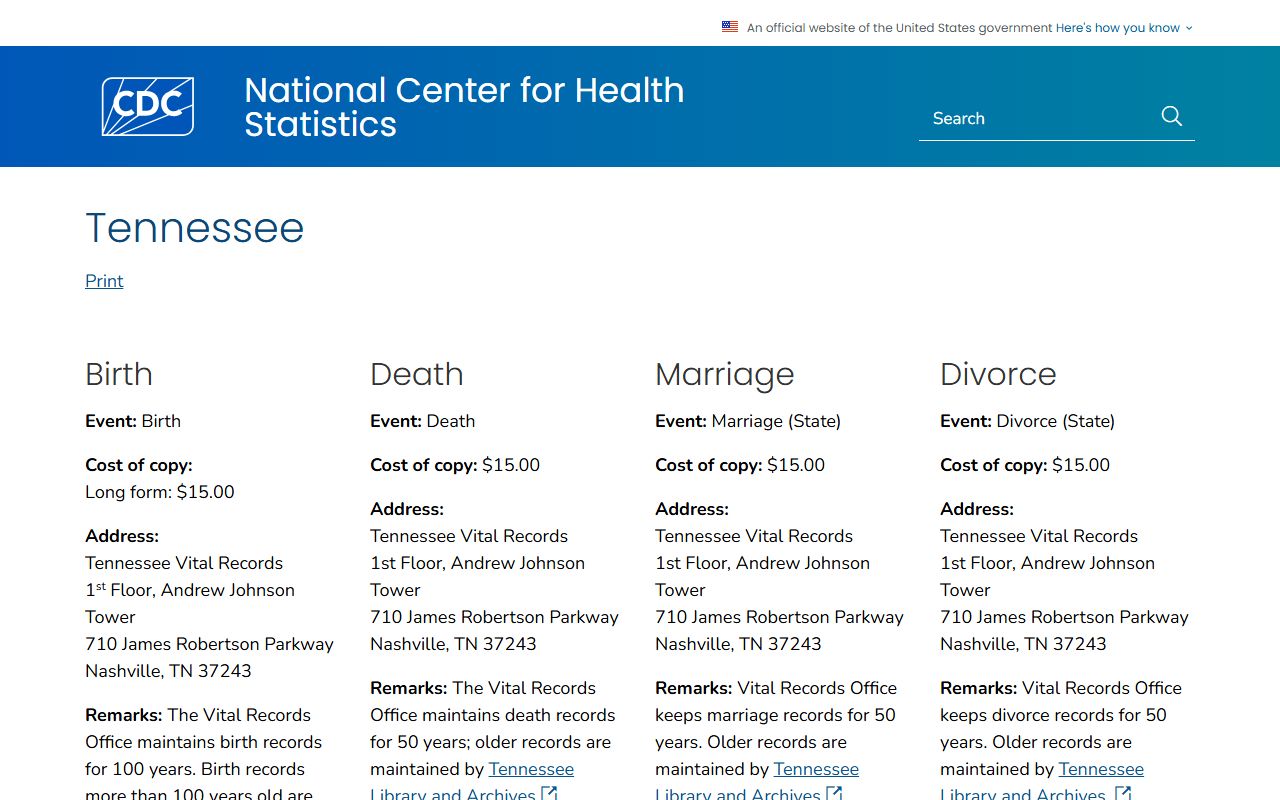
That source shows the current ordering path and keeps the request details in one place.
Local Help in Crockett County
Local help matters in a county like Crockett because the record trail often blends county offices with older family clues. The county government page can point you to the clerk or other office that handles a related document. The public library can help you find an obituary or a family note. The chamber can help with place names and local history. Those pieces can matter as much as the final certificate when you are trying to prove a death or confirm a burial in Crockett County.
When a search stalls, step back and check whether the person lived in Alamo, in a nearby rural community, or in another West Tennessee town before the death. The county name alone may not be enough. A place clue can move you to the right family and the right record faster than a broad name search can. That is especially true when the same surname appears in several Crockett County lines.
Use the county and state tools together, and do not be shy about testing another year range. A death record that seems lost at first may simply be sitting in a different source than you expected.