
Find Franklin County Death Records
Franklin County death records can be searched through county offices in Winchester, the Tennessee health department system, and local library and archive tools that help with older deaths. The right source depends on the year and the detail you already have. Recent Franklin County death records usually begin with the health department. Older records may move through TSLA or a library search first. That is why the search has to start with the date, not the form. If you know when the death happened, you can usually tell which Franklin County death record path will work best.
Franklin County Death Records Facts
Franklin County Death Records Sources
The county government portal is the first place to start: Franklin County government website. The research says it brings together the county mayor, county commission, county clerk, register of deeds, health department services, court system, public records, business hours, and contact information. That is useful because a Franklin County death records search often touches more than one office. You may begin with the health department, then follow a county clerk question, or move to a public records page when you need a next step.
The Tennessee health department page also matters here. The source linked in the research is the state local health department directory, which is where Franklin County residents can find the office that handles death certificates. The research notes a $15 fee, ID requirement, authorized requestors, walk-in service, statewide records, business hours, phone contact, and mail orders. Those details tell you that the local request path is still part of the Franklin County death records picture, even when the county itself does not host the form on a separate page.
Before you move to the archive side, use the county portal.
The county site is the fastest way to locate the offices that sit behind Franklin County death records, especially when you need to connect a health request to another county office.
The county library adds another useful layer. The Franklin County Public Library offers local history collection, genealogy resources, reference services, computer access, Tennessee materials, family history help, online databases, interlibrary loan, community programs, and research assistance. Those tools are valuable when a death record is old, the spelling is uncertain, or you need an obituary clue before you send a formal request.
Before using the library as a research stop, remember the Franklin County Public Library.
The library can shorten a Franklin County death records search by giving you the name form, date range, or newspaper clue you need.
Note: Franklin County death records searches work best when you know whether you need a recent certificate, an archive index, or a local history lead, because each one points to a different office.
Franklin County Death Records Search
The Tennessee archives guide explains the timeline that matters here. Statewide death registration began in 1908, then changed after the 1913 gap, when the newer law took effect in 1914. That means a Franklin County death record from the early twentieth century may need a different search path than a later certificate. If the date is vague, widen the search carefully. If the year is close, use more than one source. A Franklin County death record can turn up in a county office, a state index, or a library source depending on how old it is.
The state office remains the best place for newer certificates. The CDC Tennessee vital records page gives the Nashville mailing address, explains the ID rule, and confirms the modern certificate process. The research also says Tennessee Vital Records keeps death records for 50 years before older records move to the archive side. That split is the easiest way to sort a Franklin County death records request. If the death is recent, go to the health path. If the death is older, switch to TSLA or local history tools.
When you search, start with the full name, then add the city, the county seat, or the burial clue. Winchester is the county seat, but the record may reference a smaller community or family burial spot. The health department rules also make requestor status important. If you are not an eligible family member, you may need to show why you are requesting the certificate. That is normal. It is part of how Tennessee death records are issued.
Use this quick search set when you begin:
- Full name of the deceased
- Approximate year or date of death
- Winchester or Franklin County clue
- Spouse, parent, or child name if known
- Whether you need a certificate or a history search
Before you use the archive path, start with the source link: Tennessee vital records guide.
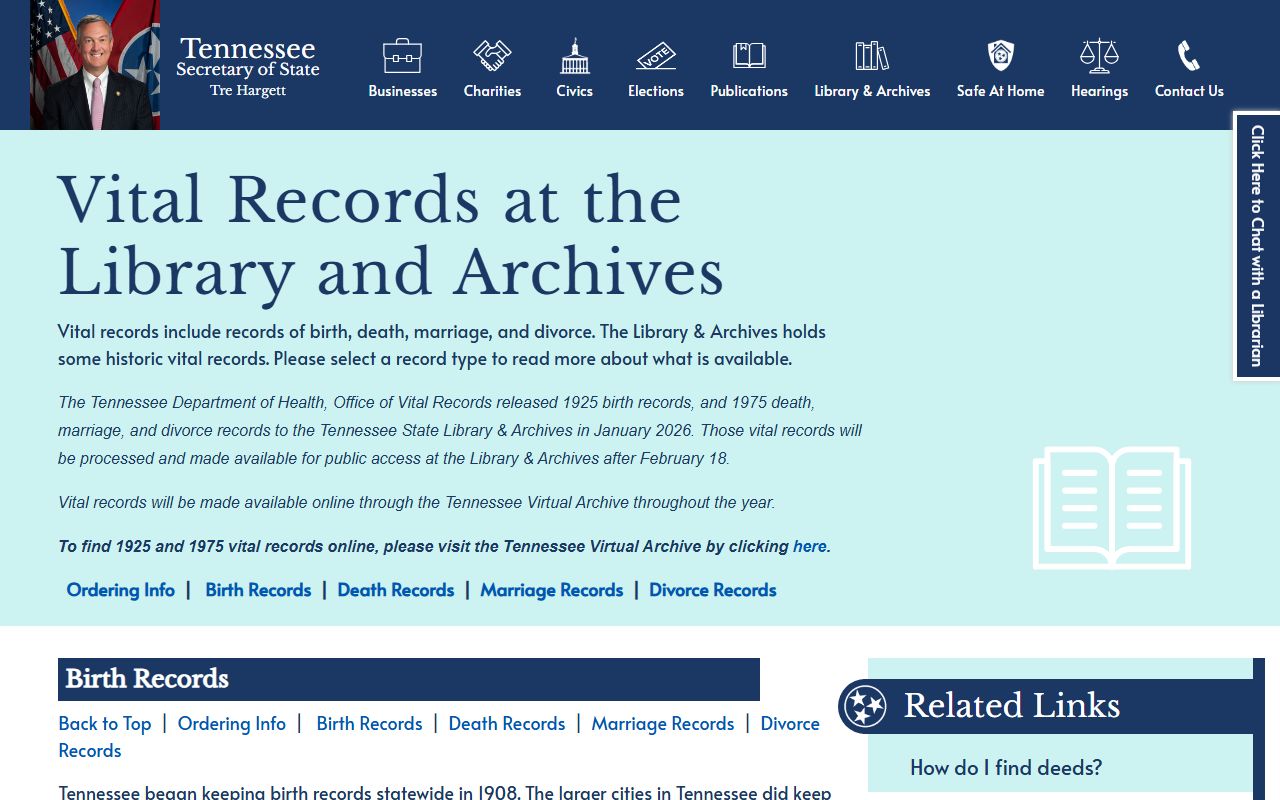
This state guide is the clearest map for Franklin County death records that fall across the county and archive divide.
Note: A Franklin County death record search can still succeed if the first index fails, because the same person may appear in the county trail, the state trail, or a library source under different name forms.
Franklin County Death Records History
Franklin County was established in 1807, and that older date gives the search extra depth. The TSLA fact sheet for Franklin County points to court records, deed records, probate records, marriage records, tax records, and death records through state resources. That means the county's paper trail can help even when the death certificate itself is hard to spot. A probate file may confirm the family. A deed may confirm the place. A court record may confirm the name. Those records do not replace a death certificate, but they can make the certificate easier to find.
Before you use the state archive page, note the TSLA Franklin County records inventory.

This page helps you move from general county history into the records types that often support a Franklin County death search.
The county history also fits the general Tennessee pattern. The state archives guide explains why older deaths may not appear in a modern certificate run. The archived health department page confirms the office that reviews, registers, amends, issues, and maintains vital records in Tennessee. Together, those sources explain why Franklin County death records can show up in more than one place and why the old record trail often needs patience.
Before you use the archive page or the old health page, start with the archived Tennessee vital records page.
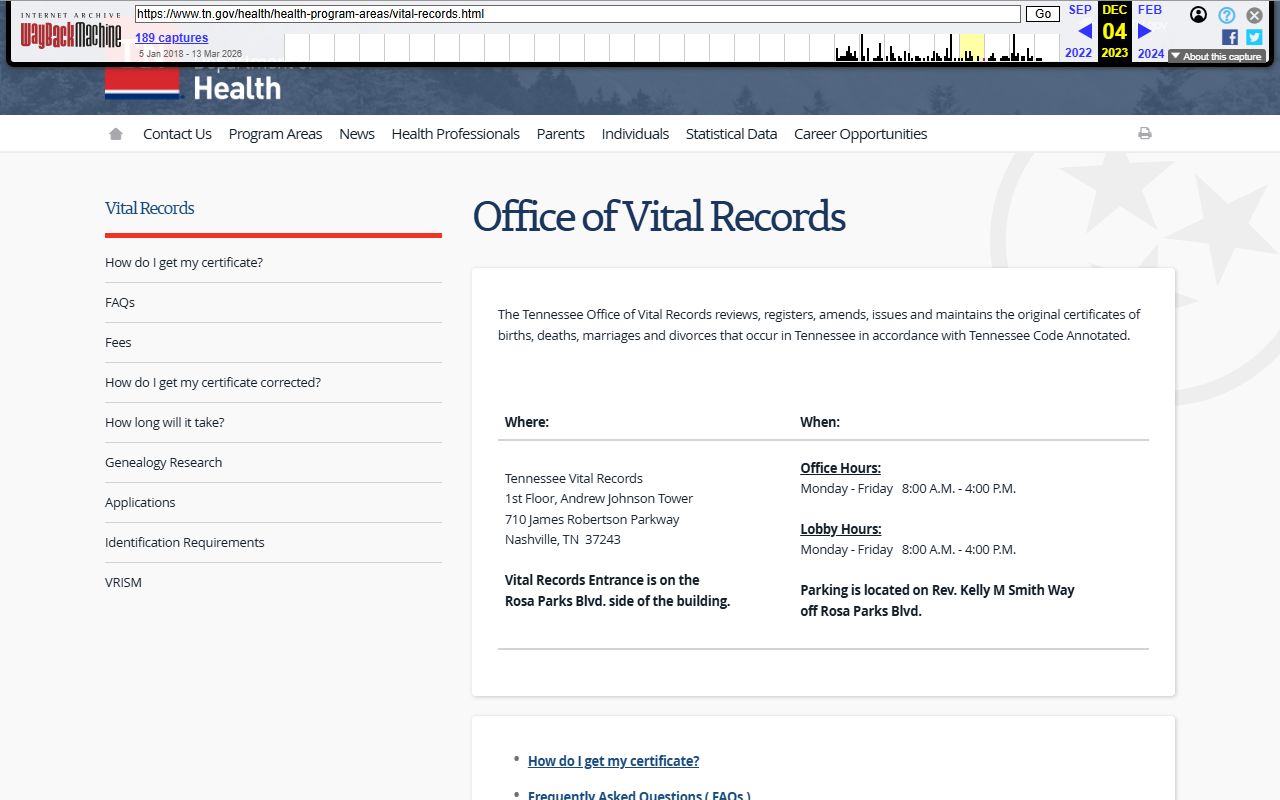
This archived page helps explain the state custody of Tennessee death records when the current path has moved.
The Tennessee death records law is also useful background. You can read it here: Tennessee death records statutes.
Franklin County Death Records Help
Research support matters in a county like Franklin because the record trail may need both a local clue and a state clue. The county library can help with obituaries and history. The county government page helps you find the right office. The health department directory tells you where a recent certificate request belongs. And TSLA gives you the archive side of the same story. If a Franklin County death record is not obvious, do not stop at one source. The best search is the one that uses the full chain.
For broader Tennessee research, the Ancestry Tennessee records collection is useful for indexed deaths from 1908 to 1965. The National Archives genealogy resources can help confirm a family line or place a person in a time frame. Those sources do not replace a Franklin County death certificate. They help you get to it faster.
Before you branch out, remember the county government site, the Franklin County Public Library, and CDC Tennessee vital records.
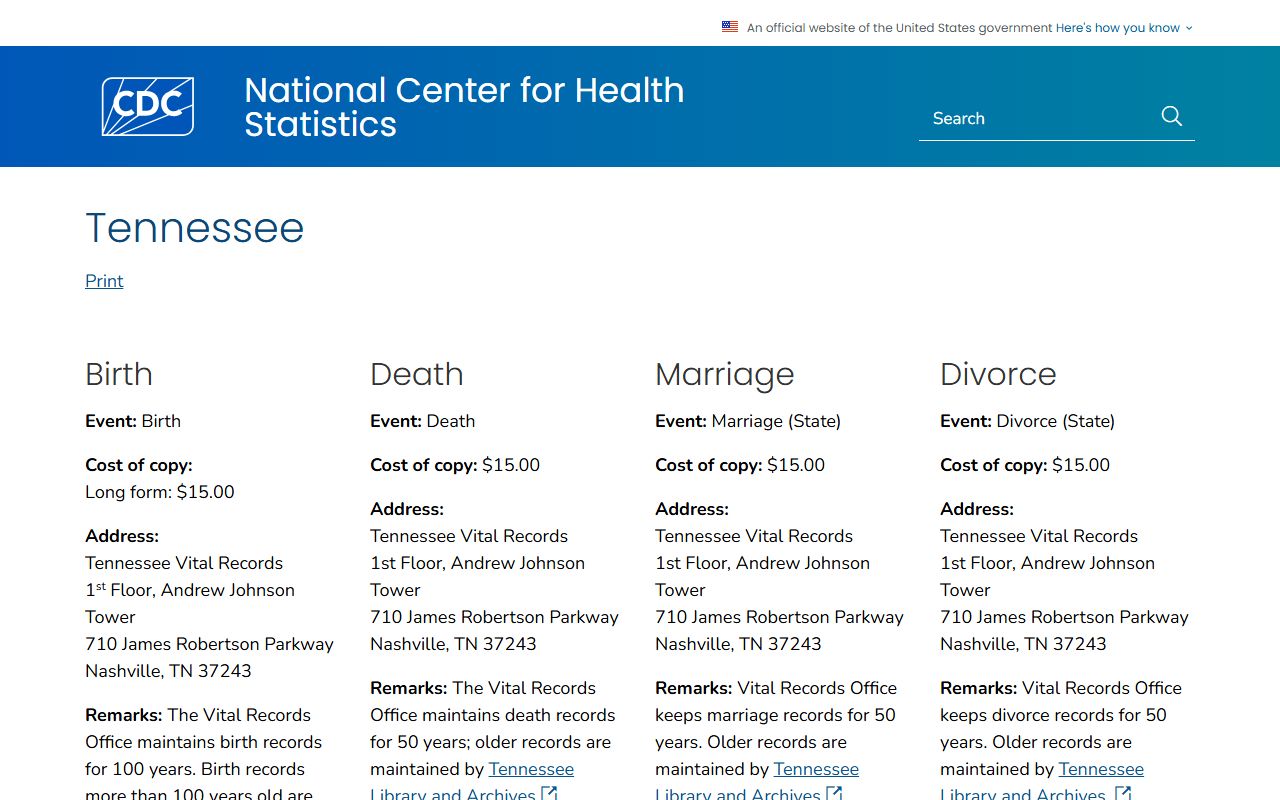
This source is the clearest path for a modern Franklin County death certificate request.
Before you use the statewide index, use the Ancestry Tennessee records collection.
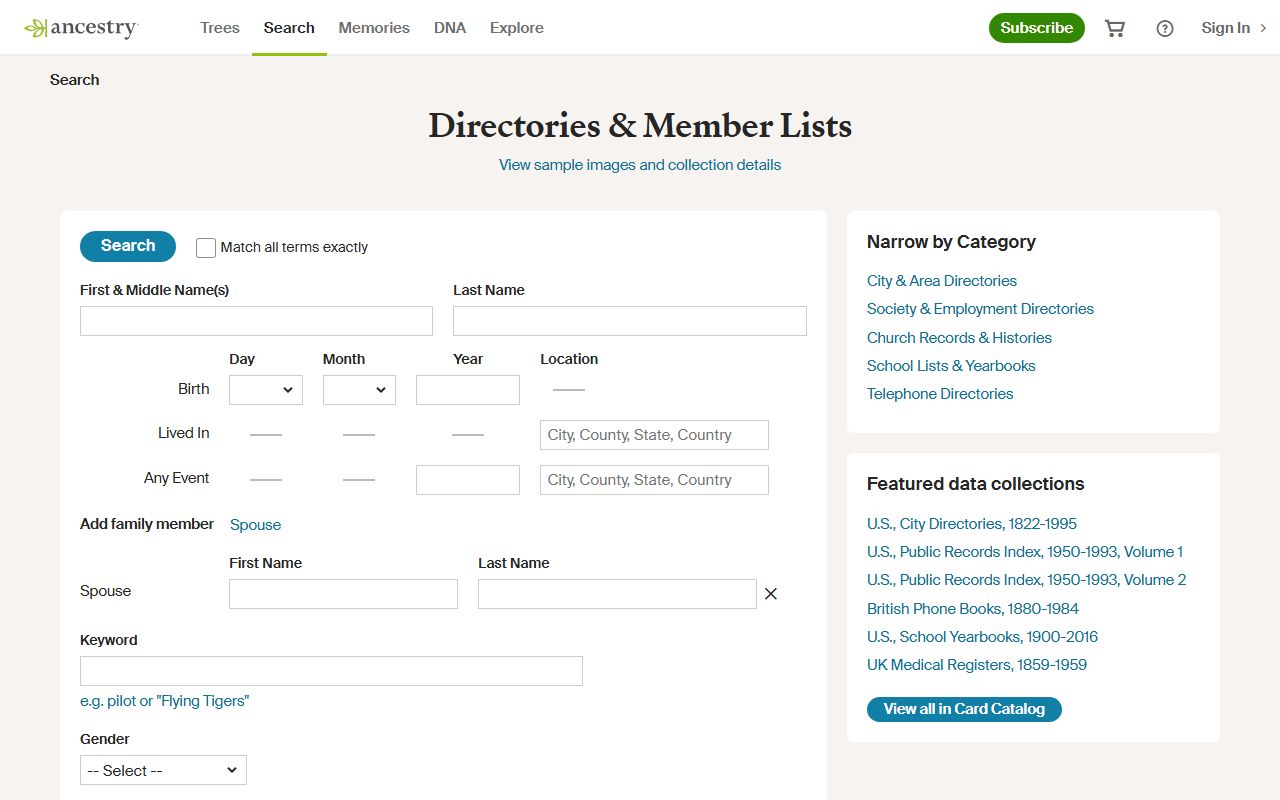
The indexed Tennessee collection is useful when a Franklin County death record needs a broad search across the 1908 to 1965 span.
More Tennessee Death Records
When the Franklin County clue is not certain, compare it with nearby Tennessee county pages and the statewide death-record guide. That keeps the search tied to the right office.