
Search Hancock County Death Records
Hancock County death records are often a local research job first and a certificate request second. Sneedville is the county seat, but many Hancock County searches also lean on library help, county office contacts, and Tennessee state archives. That mix matters because older records in a small county can be sparse in one place and clearer in another. If you know the family name, a rough year, or the cemetery, start there. Hancock County death records are easier to sort when you narrow the place and time before you ask for the certificate.
Hancock County Death Records Facts
Hancock County Death Records Sources
The main local starting point is the Hancock County government website. It is the county's front door for the mayor, commission, clerk, register of deeds, court system, public records, and contact information. That matters because Hancock County death records can touch more than one office. A recent certificate request may point to health services, while an older family history search may need county records or court files. The county site helps you decide which office to contact first instead of guessing.
For family research, the Hancock County Public Library is one of the most useful local tools. The research notes local history, genealogy materials, reference service, Tennessee collections, online databases, and interlibrary loan. In a county where some death records are better seen through family history clues than through a modern certificate lookup, that library support can save time. A surname, a church, or a cemetery lead may be enough to point you toward the right Hancock County death record.
The county record inventory from Tennessee State Library and Archives confirms that Hancock County has court records, deed records, probate records, marriage records, tax records, and death records through the state. The local chamber also gives helpful context. The Sneedville-Hancock County Chamber is a community information source, and it can help orient a researcher who needs local history, area resources, or a place-based clue for an older death search. That is especially useful in a rural county where the family line may matter more than the office name.
Before you move into the state trail, use the county portal first: Hancock County government website.

The state library and archives guide helps when a Hancock County death record is too old for a simple certificate request and needs a deeper search path.
Family history work often starts with a broad Tennessee source such as TNGenWeb Project.

That resource can point you toward cemetery, obituary, and county history clues that narrow a Hancock County death records search.
Hancock County Death Records Certificates
Hancock County does not have a large certificate office footprint in the research notes, so recent Tennessee death records usually fall back to the state system. The CDC Tennessee vital records page explains the modern ordering path, the Nashville address for Tennessee Vital Records, and the identification rule. That makes it the best fallback when a Hancock County death certificate is recent enough to still be in the state custody period. If the death is older, the path shifts toward the archives.
The archived Tennessee vital records page is useful because it explains that the office reviews, registers, amends, issues, and maintains original certificates. That is a useful reminder when you are dealing with a certificate request rather than a family history index. Hancock County searches often move between those two needs. A name search can tell you where the death happened. A certificate request can confirm the event with the date and county you need.
Hancock County is small enough that many searches depend on good clues. A spouse name, a nearby cemetery, or a year range can make the difference. The county government site, the library, and TSLA records inventory together give a practical route. The key is to use the modern state certificate path only when the record is recent enough to belong there. If the death is older, do not force the request to the wrong office.
Before you request a certificate, start with the state ordering page: CDC Tennessee vital records information.
Note: Hancock County death records often respond better to a narrow family history search than to a broad countywide lookup.
Hancock County Death Records Before 1914
Hancock County death records before 1914 need special care because Tennessee's statewide system did not begin until 1908 and then changed again after 1912. That leaves a gap year in 1913 and means some old deaths may never be in the state index the way a modern researcher expects. In a county like Hancock, where rural family lines and local cemeteries matter, the archive trail is often more useful than the state certificate path. The county was established in 1844, so there is a long local record history even when the death entry itself is thin.
The TSLA county inventory is useful because it points to court, deed, probate, marriage, and tax records that can help confirm identity. Those records may not replace a Hancock County death certificate, but they can help you prove the right person and the right date before you request one. That is especially important when a surname has repeated across generations or when the same family used the same given names for more than one child. The TSLA Hancock County records inventory is therefore more than a list. It is a map.
For a small county, local history also matters. The chamber page can help with town context and area resources, and the library can help with family lines, newspapers, and local history. When a Hancock County death record is missing from the first place you look, those support sources can move you toward the right church, cemetery, or family branch. That is often enough to complete the search.
Before using the older record trail, start with the county library: Hancock County Public Library genealogy resources.
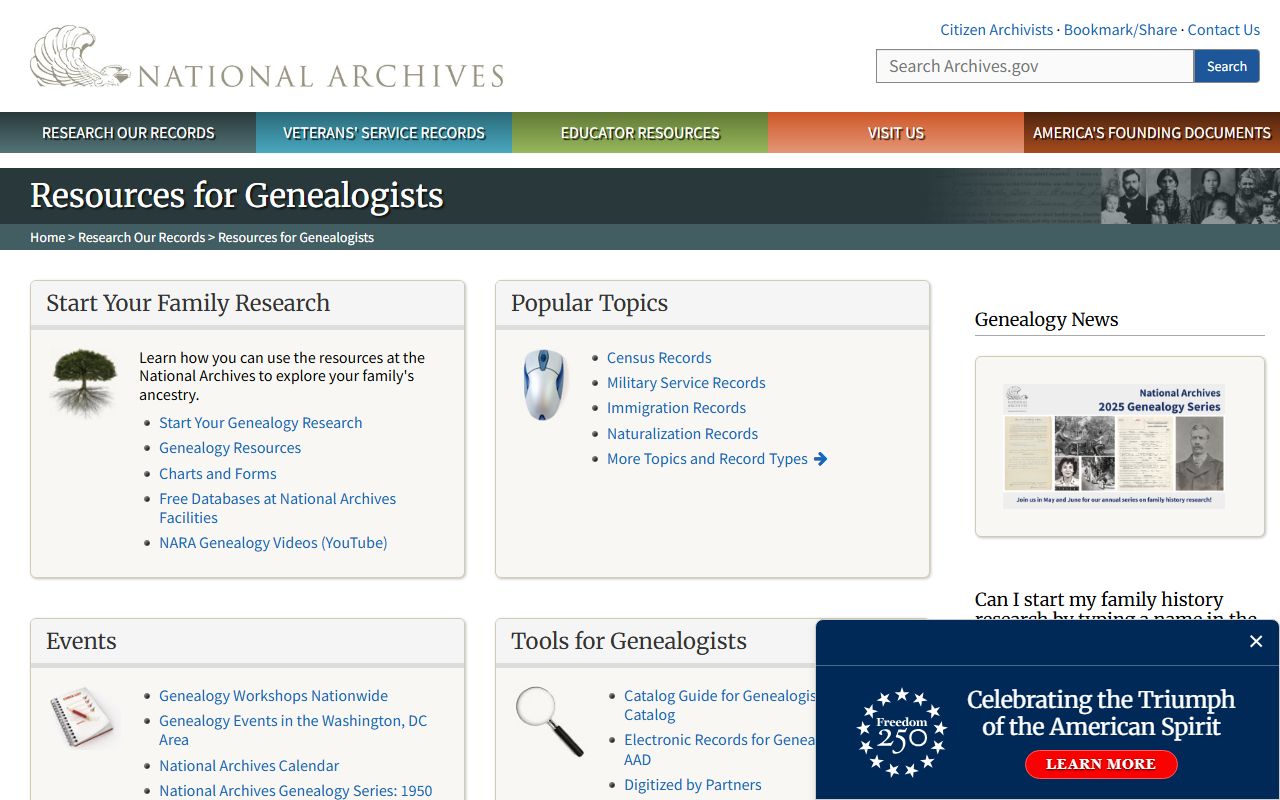
The National Archives genealogy tools are helpful when a Hancock County death record needs outside family context or a federal record to confirm the same person.
Note: Older Hancock County death records often require one good family clue before the office search begins.
Hancock County Death Records Search Tips
Hancock County death records searches usually work best when you keep the scope tight. Start with the name, then add one local clue at a time. If you know the family lived near Sneedville, say so. If you know the burial site, use that too. The county and state systems both respond better when the search is narrow. That is true for certificates, archive work, and library research alike.
You can also use broader Tennessee sources to support the county search. The Ancestry Tennessee records collection is one route for historic indexed material, and the National Archives genealogy resources can help you cross-check family structure when the county death entry is incomplete. Neither source replaces the Hancock County record, but both can help you find the right year or the right household.
Use this short search path when the record is hard to find:
- Check the county government portal first.
- Use the public library for family and cemetery clues.
- Move to TSLA for older county record support.
- Use the state vital records page for recent certificates.
- Confirm with a second family history source if the name is common.
Those steps work well because Hancock County is a small place with a long paper trail. The county records do exist. You just need the right clue to open them.
Note: Hancock County death records are easier to trace when you use Sneedville, the family name, and a date range together instead of treating them as separate searches.
Hancock County Death Records Access
Access rules matter even when the county is small. Tennessee law still governs how death records are filed and corrected. The research link for that is here: Tennessee death records laws. In practice, that means recent certificates follow the state system, while older records may sit in county or archive collections that need a search rather than a quick pickup. Hancock County researchers should expect that split and plan for it.
The Tennessee State Library and Archives vital records guide also helps explain the broader structure. It shows when statewide death registration began and why older records can be uneven. That context is important in Hancock County because the local trail often depends on family history sources as much as on formal office files. If a search seems thin at first, that does not mean the record is gone. It may mean the record is only visible after you widen the lens a little.
Before you close the search, use the county and state links together: Hancock County government, Hancock County Public Library, TSLA Hancock County records, and Sneedville-Hancock County Chamber.
Hancock County death records are not hard because the county is small. They are hard because the strongest clue is often a family clue, not an office clue. Once you have that clue, the record trail gets much easier.