
Search Lake County Death Records
Lake County death records often need a local-first search because the county’s records story is tied to Tiptonville, Reelfoot Lake, and the river country along the Mississippi. Some deaths can be found through state vital records, while older files may require TSLA, TNGenWeb, or a county-level clue that points to the right family and year. The best path depends on when the death happened and whether you need a certified copy or a historical lead. This page brings the main Lake County death records sources together so you can move from a name to the right office or archive without losing time.
Lake County Death Records Facts
Lake County Death Records Sources
The Lake County government website is a practical place to begin because it points residents to county services and online payment for county taxes and fees. That matters when a death record search leads you back to local administration, probate work, or a request for a county office contact. Lake County is also shaped by Reelfoot Lake and the Mississippi River, so local history often carries more weight than a simple database hit. For a death that took place in Tiptonville or another Lake County community, the county site gives the local frame around the search.
The county records inventory from TSLA is another strong local source. The Lake County records PDF points researchers toward the county holdings that TSLA tracks. That helps when you need to sort out whether a Lake County death record is likely to sit in a county set, an archive run, or a state certificate file. When the name is common or the year is fuzzy, that inventory can save time before you start making requests.
For genealogy work, the Lake County TNGenWeb records repository is a useful additional archive source. The research describes it as an archive repository in support of Lake County TNGenWeb, which makes it a good place to look for local clues, family links, and old county references. The TSLA Lake County genealogical fact sheet also ties Lake County to bibliography subjects such as Reelfoot Lake, the New Madrid earthquake, Ridgely, and Tiptonville. Those names matter because they show where local history and death records can intersect.
Note: Lake County death records searches tend to work best when you match the place first and the year second, especially if the family moved between Tiptonville, Ridgely, and nearby river communities.
Lake County Death Records History
The Tennessee timeline matters for Lake County just as it does elsewhere. The state did not require death registration until 1908, and that first law expired at the end of 1912. Tennessee passed a new law in 1913, but it did not take effect until 1914. That gap is why 1913 is still called a dead year for Tennessee death records. If you are searching Lake County deaths near that break, you may need to use local history tools, cemetery information, or a county index instead of expecting a clean statewide certificate.
The Lake County search can also be affected by geography. Reelfoot Lake and the Mississippi River influenced travel, settlement, and record keeping patterns. That does not change the state rules, but it does change how a family history trail may look on the ground. A death in Tiptonville may point you to county records faster than a statewide search. A death tied to Ridgely may show up in a different local reference before it appears in the certificate trail. That is why local context is useful in Lake County death records work.
The TSLA vital records guide explains that Tennessee death records from 1908 through 1965 are available through the TSLA and Ancestry partnership, and Tennessee residents can use that access for free. If the Lake County death happened during that range, it is often worth checking the statewide index before you submit a request. The same guide also explains that the Office of Vital Records keeps death records for 50 years before older records move to TSLA. That split is the basic rule behind most Lake County searches.
Before you use this state archive image, start with the source link: Tennessee vital records at the library and archives.
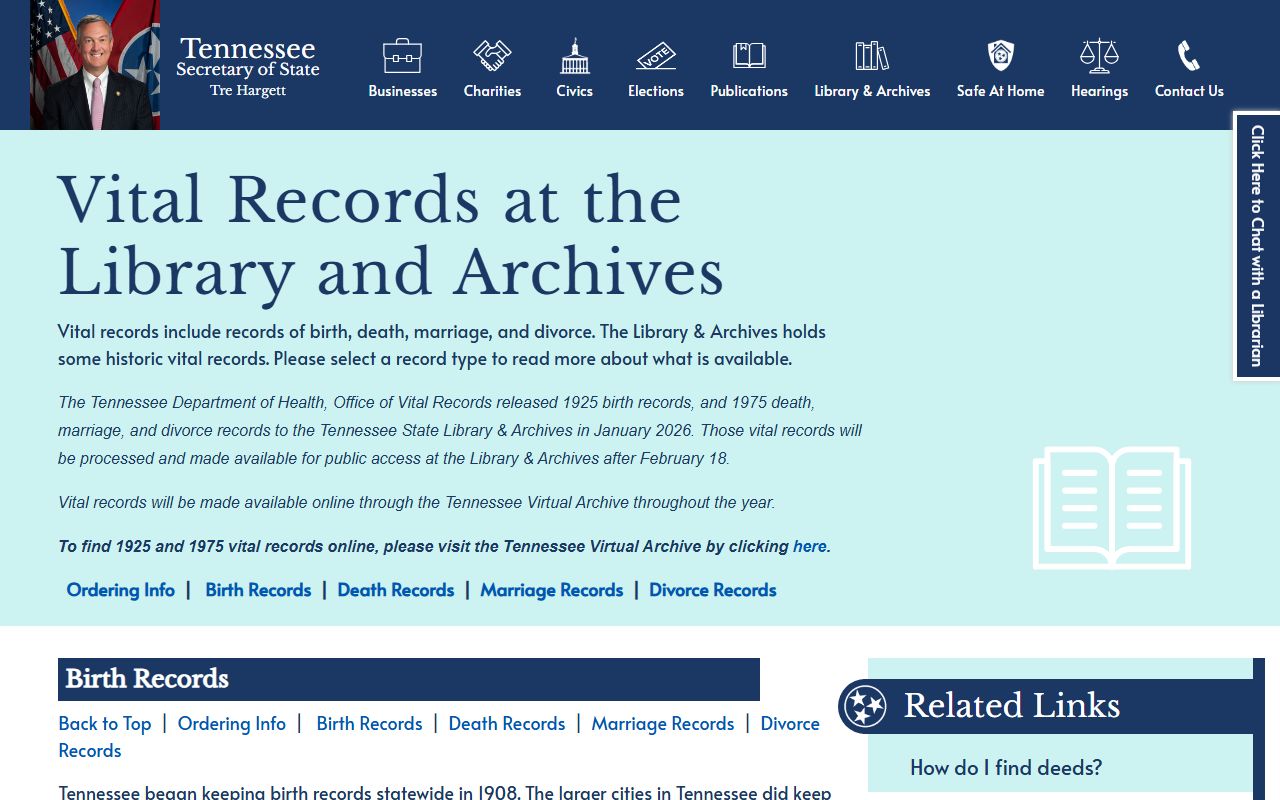
This guide is the best broad map for deciding whether a Lake County death record belongs with the state office or with older archive material.
Lake County Death Certificates
For a recent Lake County death, the request path runs through the Tennessee Office of Vital Records. The CDC Tennessee vital records page gives the current mailing address at Andrew Johnson Tower in Nashville, confirms the $15 certified copy fee, and says a signed government-issued photo ID must accompany the request. That is the practical starting point when you need a Lake County death certificate for a legal matter, family file, insurance claim, or estate step.
The state office keeps death records for 50 years. After that, the record trail shifts to TSLA. So the right question is not just who died, but when they died. A death record from the last few decades usually belongs in the state system. A Lake County death record from long ago is more likely to require archive help, especially if you are working from a surname and a rough year instead of a full certificate number.
The official ordering page also helps when you are checking request rules. The research notes that Tennessee Vital Records accepts personal check or money order payments made payable to Tennessee Vital Records. If you are sending a Lake County request by mail, the safest approach is to include the full name, the date or narrow range of death, and any county or spouse clue you already have. That cuts down on delays and reduces the chance of a failed search.
Use the source link first: CDC Tennessee vital records information.
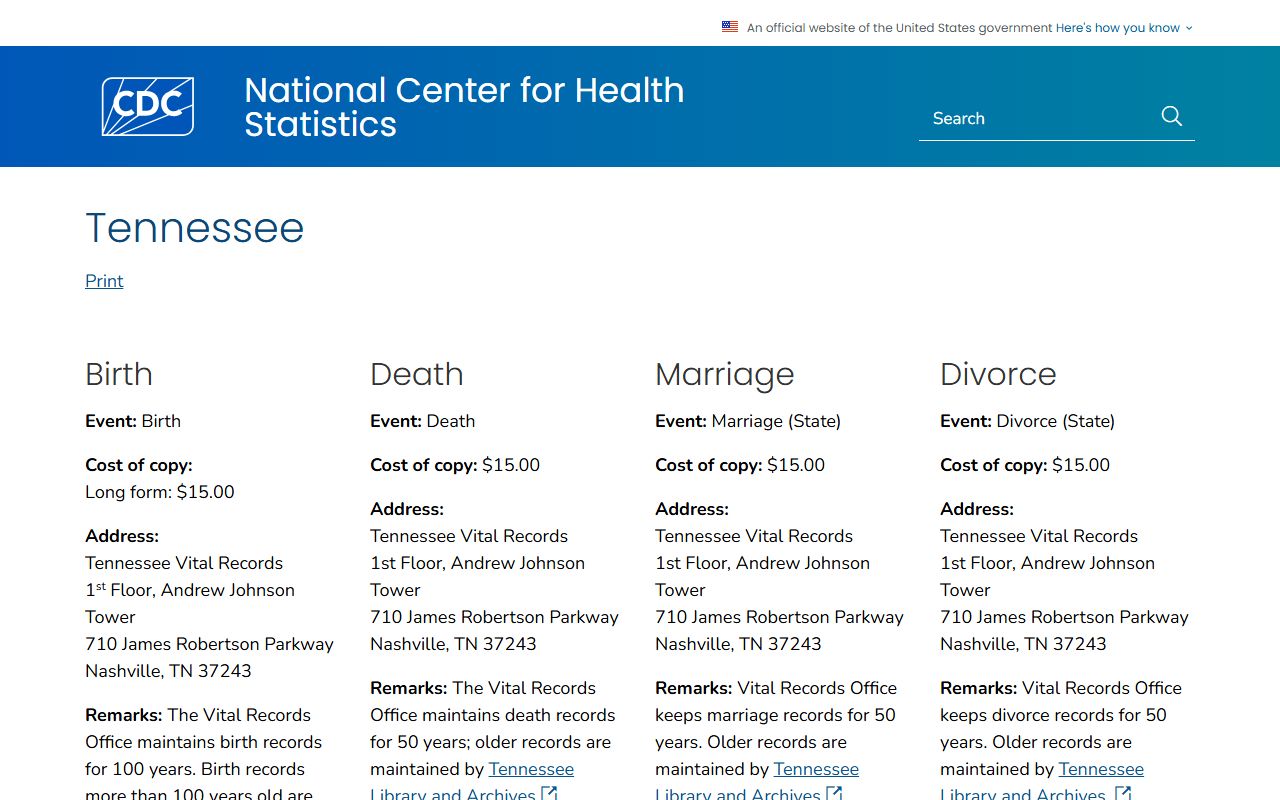
This source confirms the modern certificate process and the ID rule for Lake County death records requests.
Lake County Death Records Research
Lake County research often benefits from a broader family history approach. The local repository can point you to county history, cemetery leads, obituary notes, and local surnames that help fill gaps in a death records search. That kind of support matters in Lake County because a record may be easier to identify once you know which branch of a family lived near Tiptonville, which line stayed near Ridgely, or which group appears in a local church or cemetery file.
The Ancestry Tennessee records collection is another important support tool. The TSLA partnership makes Tennessee death records from 1908 through 1965 searchable online, and that gives Lake County researchers a large window to work from before they order a copy. The records do not always solve the whole problem, but they often confirm the likely year, county, or certificate number. That is enough to move a Lake County death records search from guesswork to a targeted request.
For legal context, the Tennessee death records statutes explain why access and filing follow a formal process. The law page is useful when you need to understand why a record is restricted, why identification matters, or why a later amendment may require extra proof. That is not the first place to search, but it helps when a Lake County request needs a clear explanation.
If a Lake County search stalls, the Secretary of State contact page and the TSLA portal give you the archive and reference desk path for follow-up questions.
Before using the state index image below, start with the source link: Ancestry Tennessee records.
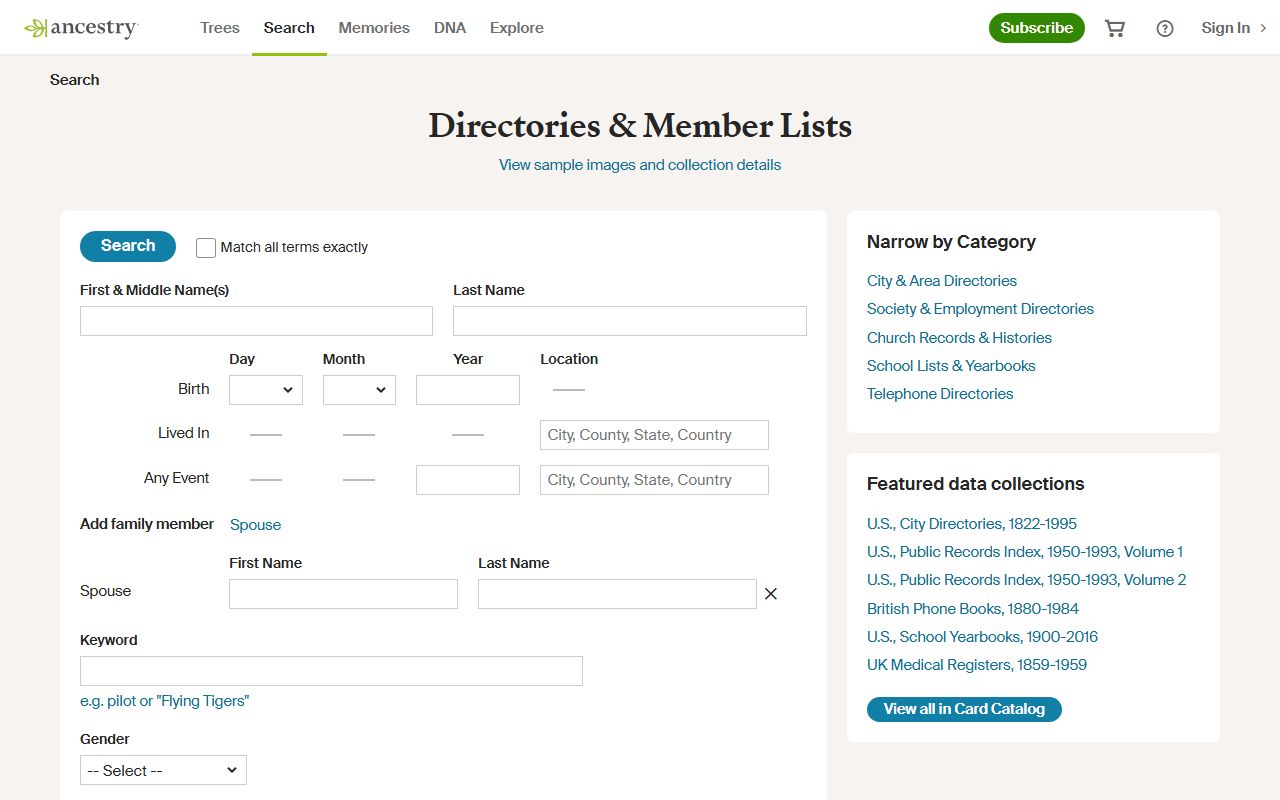
This image matches the historical index path that often helps identify Lake County death records before 1965.
Before using the archive support image below, start with the source link: Tennessee State Library and Archives.

TSLA is the key fallback when a Lake County death record is older than the state custody window.
Lake County Death Records Tips
Search Lake County death records with the same discipline you would use for any rural county file. Start with the full name. Add a year range. Then add the place clue. Tiptonville is the county seat, so it belongs in the search plan. Ridgely can matter too, because the TSLA bibliography names it and the local geography may show up in older references. If you have a spouse name, use it. If you have a cemetery or church clue, keep it close. Small details can turn a weak search into a reliable one.
Lake County also benefits from a split approach. A modern request should go to the state office. An older search should start with TSLA, TNGenWeb, or the Lake County records repository before you assume the record is missing. That helps you avoid ordering a certificate too early or stopping after one failed search. A Lake County death record can exist in one source and not another. Matching the year to the right office is the safest way to move forward.
Use this short search set when you begin:
- Full name of the deceased and any spelling variant
- Approximate year or decade of death
- Tiptonville, Ridgely, or another Lake County place clue
- Spouse, parent, or child name if known
- Whether you need a certified copy or a historical lead
That sequence keeps the search focused. It also helps you know when to move from Lake County history sources to the Tennessee Office of Vital Records.
Note: The strongest Lake County death records search usually starts local and ends state-wide, not the other way around.
Before you use this archive guidance image, open the source first: Lake County records PDF.
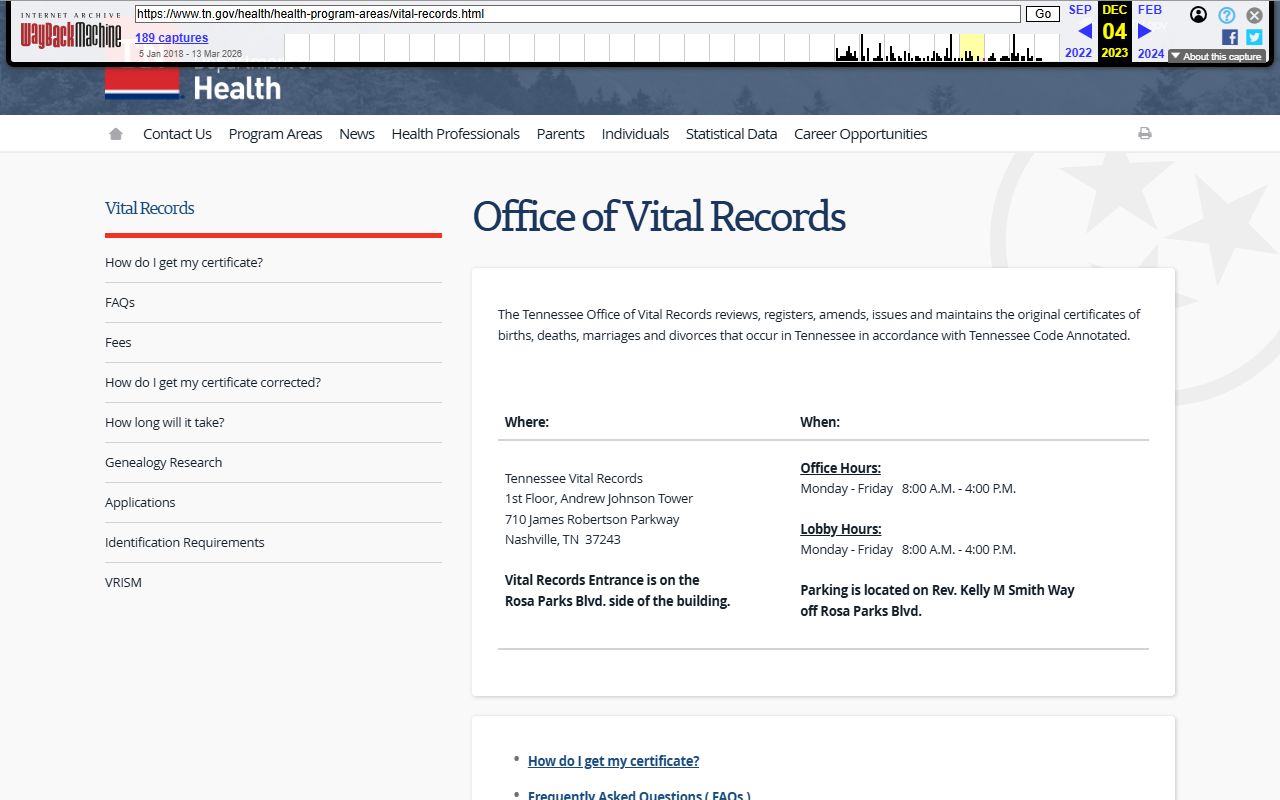
The records PDF helps show why Lake County searches sometimes start with county holdings and then shift to TSLA or state vital records.
Before you use this legal context image, open the source first: Tennessee death records statutes.
This source is useful when you need to understand the rules behind access, filing, and certified copies in Lake County death records work.