
Search Marshall County Death Records
Marshall County death records are easiest to sort when you start in Lewisburg and work outward through the county government site, the county library, the TSLA county materials, and the Tennessee certificate system. The library has a long genealogy history, with newspaper microfilm, census information, deeds, wills, family trees, and historical maps that can all help narrow a death search. Marshall County was formed in 1836, so older family lines can reach well past the modern certificate era. If you need a death certificate, a burial clue, or a local history lead, the year of death will decide which office or archive is most likely to hold the record.
Marshall County Death Records Facts
Marshall County Death Records Sources
The official county website at Marshall County Tennessee is the first local place to check. It gives you the county frame behind Marshall County death records and keeps the search tied to the right local government instead of a broad statewide lookup. That matters when you need office context, a county contact, or a place to start before you move into archive work.
The county library is one of the strongest local research assets in the county. The Marshall County Memorial Library services page says the library has a long history of providing genealogy resources, including microfilm records for the Marshall County Gazette from 1859 to 2005, the Lewisburg Tribune from 1846 to 2017, census information, deeds, wills, family tree information, and historical maps. That is a serious local tool set. It means a Marshall County death records search can start with a newspaper notice, a family clue, or a map reference and still lead to the right person.
The TSLA county history page at TSLA Marshall County genealogical fact sheet adds the broader county frame. The fact sheet confirms the county's formation history and gives a starting point for county-level genealogy work. The TSLA county records PDF at Marshall County records PDF helps show how the county fits into the archive system. That is useful when a death record is old, the surname is common, or you need to know whether the record is likely to live in county materials, archive files, or the modern certificate system.
Marshall County research also benefits from the statewide genealogy network. The TNGenWeb Project can help with county history and local context, while the state archive guide and the Tennessee record collections provide the broader structure behind the search. When a record is not obvious at first glance, Marshall County death records often become easier once you combine a newspaper date, a library clue, and the county seat.
Note: Marshall County death records searches work best when you connect the person to Lewisburg, a local newspaper run, or a family file before you request a copy.
Marshall County Death Certificates
When you need a certified Marshall County death certificate, the Tennessee Office of Vital Records is the correct state path. The CDC Tennessee vital records page gives the current Nashville mailing address, the $15 certified copy fee, and the requirement for a signed government-issued photo ID. That is the route to use when the record is recent and you need a formal copy for probate, insurance, estate work, or another legal purpose.
The state office keeps death records for 50 years. After that, older records move toward TSLA. So the date of death is the main filter. A recent Marshall County death belongs in the state system. An older Marshall County death may need a historical search first, especially if you are starting with a surname, a newspaper clue, or a cemetery reference rather than a certificate number.
The archived Tennessee vital records page at archived Tennessee vital records page explains the office role. It says the Tennessee Office of Vital Records reviews, registers, amends, issues, and maintains the original certificates. That is why the state copy is the formal one. The county can help you find the trail, but the state office issues the record that carries legal weight.
When a request needs extra direction, the Tennessee Secretary of State contact page is a useful backup. It gives you the archive and reference office path behind the Tennessee State Library and Archives system, which is helpful when a Marshall County death record is older than the state custody window or needs a human follow-up instead of another search box.
The legal structure is also worth keeping in view. The Tennessee death records statutes explain why registration, access, and amendments are handled formally. That page is not the first search stop, but it helps explain why a certified copy is different from an index hit and why identification matters for a request.
If you are preparing a Marshall County death certificate request, keep the basics together: full name, approximate date of death, Lewisburg or another county place clue, and any spouse or family detail you already know. Those details keep the request tight and reduce the chance that the record gets sent to the wrong office.
Before you use the CDC source image below, open the source first: CDC Tennessee vital records information.
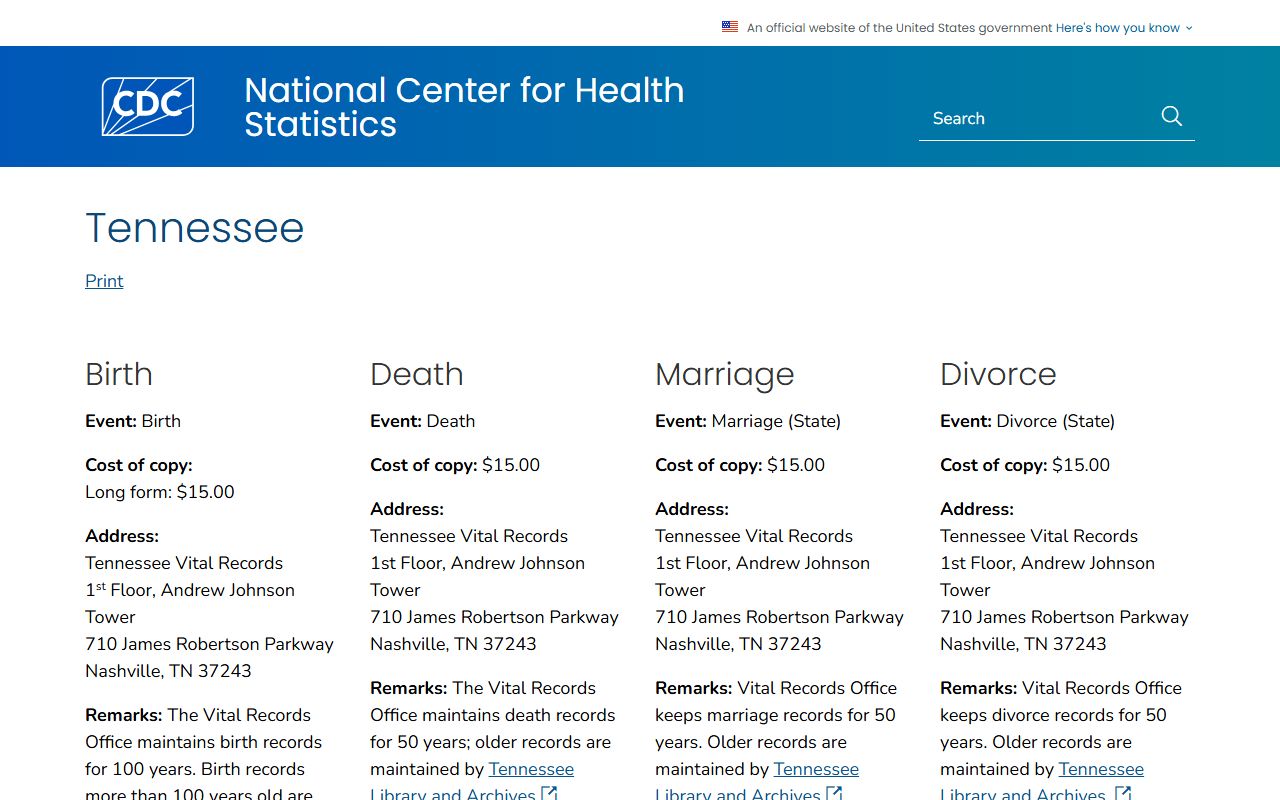
This source confirms the modern state process for a Marshall County death certificate request and keeps the fee and ID rule in one place.
Marshall County Death Records History
Marshall County history is one reason this page needs more than a generic Tennessee template. The county was formed in 1836, so older family lines can appear in local records long before they show up in a modern state index. The Marshall County Memorial Library gives that history real depth. Newspaper microfilm, census information, deeds, wills, family tree information, and historical maps can all help a researcher prove a death, place a family in the right community, or identify the year that should be searched next.
The TSLA county fact sheet adds another layer. It gives the county formation context and ties Marshall County to the broader Tennessee archive system. That matters because a Marshall County death record may need both a state index and a local history source before the correct match becomes clear. A newspaper notice may confirm the death date. A deed or will may help identify the family. A map may show the community name that belonged in the search.
The Tennessee death records timeline still applies. Tennessee did not require statewide death registration until 1908, the first law expired at the end of 1912, and 1913 is the dead year between laws. So an older Marshall County death may not appear where you expect it. A missing entry can mean the record was never filed, the name was written in a different form, or the person belongs in a local source instead of a state certificate list.
Before you use the TSLA guide image below, open the source first: Tennessee vital records at the library and archives.
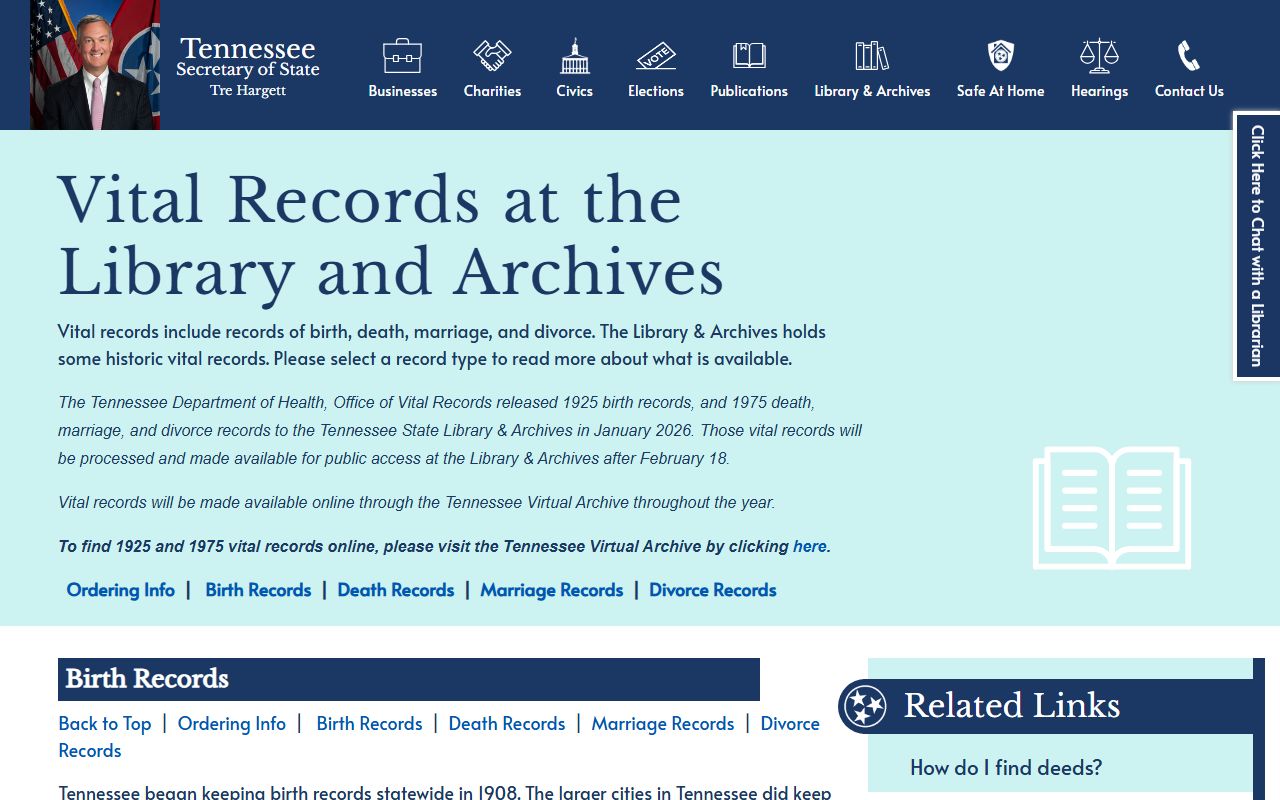
This guide explains how Marshall County death records move between county, state, and archive custody as the year changes.
Before you use the Ancestry image below, open the source first: Ancestry Tennessee records.
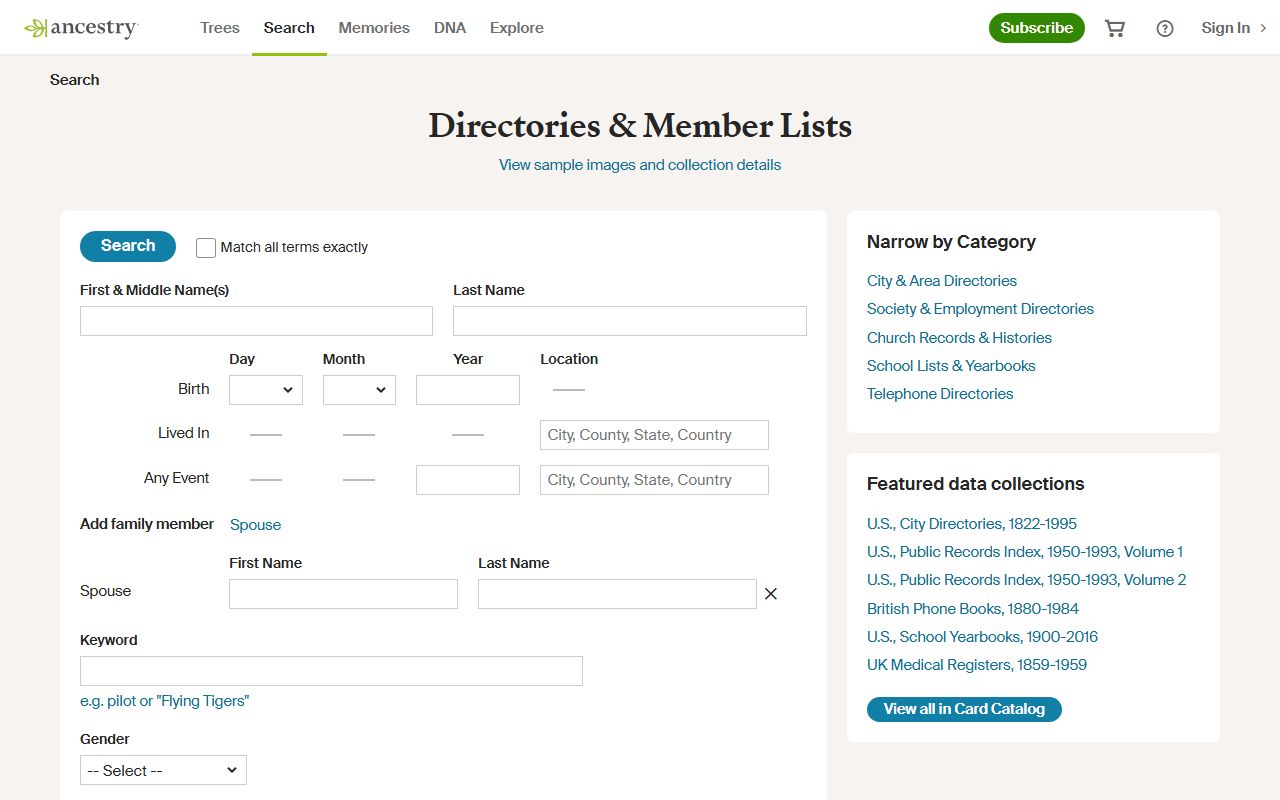
This historical index is especially useful for Marshall County death records from the 1908 to 1965 range.
Marshall County Death Records Research Paths
The county and state sources work best together. Start with Lewisburg because that is where the county seat and the main local research tools sit. Then move to the state system if the record is recent or if you need a certified copy. If the record is older, the archive side becomes more important. That approach keeps Marshall County death records from getting lost in a wide statewide search.
Use this short search order when the record is not obvious:
- Check the Marshall County government site for local office direction.
- Use the Marshall County Memorial Library for newspaper microfilm, census work, deeds, wills, and family history clues.
- Check the TSLA fact sheet and county records PDF when the record looks historical.
- Move to the CDC certificate page if you need a modern certified copy.
- Use TSLA and Ancestry when you need a broader historical index search.
The Marshall County Memorial Library matters because it is not just a public library. It is a genealogy-heavy research stop with long runs of newspaper microfilm and a broad set of local records that can prove relationships. That means a Marshall County death records search can use real local material rather than relying only on statewide indexes. For some families, that local step is the one that makes the date, spelling, or place finally line up.
If a search stalls, the county history page can still carry it forward. Marshall County history and family lines can cross county boundaries, especially in older research. A record that does not appear in the first pass may still show up once you think about local newspaper names, family lines, and the county books that the library keeps on hand.
Before you use the TSLA portal image below, open the source link first: Tennessee State Library and Archives portal.

The portal is the main archive gateway when a Marshall County death record has moved beyond the county office window.
Marshall County Death Records Search Tips
Good Marshall County death records work starts with a small set of facts. A full name helps. A year or a narrow range helps more. Lewisburg, a family cemetery, or a newspaper title can also make the search easier. If the person died near 1913, be careful. Tennessee had a gap in death registration that year, so the record may be missing because of the law rather than because the search was weak.
When you have only a partial clue, use the local tools first. The library can point you to the right family, while the county records PDF and TSLA materials help you see where Marshall County fits inside the archive system. That order is practical. It reduces guesswork and keeps you from requesting the wrong record type too early.
Keep these details together when you search:
- Full name of the deceased and any spelling variation.
- Approximate year or decade of death.
- Lewisburg or another Marshall County place clue.
- Spouse, parent, or child name if known.
- Whether you need a certified copy or a historical lead.
For statewide context, the Tennessee Office of Vital Records still handles modern certificates, and older records move to TSLA after the 50-year retention window. That split is the backbone of the Marshall County search. Once you know the date, the right office usually becomes obvious.
If the search stops at the archive level, the Tennessee Secretary of State contact page can help you reach the reference side of TSLA. If you need to understand the legal side of access, the Tennessee death records statutes explain the formal rules behind registration and certified copies.
Before you use the Marshall County TNGenWeb image below, open the source first: TNGenWeb Project.

This county project helps show why Marshall County research often begins local and then moves into state-level archives.
For a broader county-history backstop, use TNGenWeb as well: TNGenWeb Project.
That resource can help you connect a Marshall County death record to local history, cemetery clues, and family lines when the first search does not land.
Before you use the state archive support image below, open the source first: Tennessee State Library and Archives.
This image is a useful bridge when a Marshall County death record has moved from local history work into archive research.
Before you use the state vital statistics image below, open the source first: CDC National Vital Statistics System.

This source explains the standardized death-certificate framework behind Marshall County death records and state filing practice.