
Search Maury County Death Records
Maury County death records are easiest to trace when you start in Columbia and work outward. Columbia is the county seat and sits south of Nashville, while Spring Hill also falls under the county government and local service network. That gives Maury County researchers more than one way to begin. A recent death usually stays in the state certificate system. An older death often needs a library clue, a county archive trail, or a TSLA index before the right record shows up. If you already know the family name, a burial place, or a Columbia or Spring Hill address, use it early. That clue can shorten the search and point you to the right office on the first try.
Maury County Death Records Facts
Maury County Death Records Sources
The official county website at Maury County Government is the first local place to check. It gives you the county structure behind Maury County death records and keeps the search tied to the right office before you move into archives or state certificate work. Because Columbia is the county seat, the county site is often the most direct way to confirm which local office or department should answer the question first.
The Maury County Public Library is another core source. The Maury County Public Library and the county research pages tied to genealogical resources are useful for local history work, obituary clues, and family research. The county site also points to genealogical research library sources that include microfilm collection for Maury County official records, newspapers, and death records for Tennessee from 1908-1912 and 1914-1956. That is a strong local tool set. It means a Maury County death records search can start with a newspaper notice, a family clue, or a microfilm run and still lead to the right person.
TSLA adds the county-history frame behind the local sources. The TSLA Maury County genealogical fact sheet gives the county bibliography trail, and the Maury County records PDF helps show how Maury County fits into the archive system. That matters when a death record is old, the surname is common, or you need to know whether the record is likely to live in county materials, archive files, or the modern certificate system.
Maury County research also benefits from the statewide genealogy network. The TNGenWeb Project can help with county history and local context, while the Columbia and Spring Hill references in the project research keep the search grounded in the county's actual communities. When a record is not obvious at first glance, Maury County death records often become easier once you combine the place, the year, and the family line.
Note: Maury County death records searches work best when you connect the person to Columbia, Spring Hill, or a family file before you request a copy.
Maury County Death Certificates
When you need a certified Maury County death certificate, the Tennessee Office of Vital Records is the correct state path. The CDC Tennessee vital records page gives the current Nashville mailing address, the $15 certified copy fee, and the requirement for a signed government-issued photo ID. That is the route to use for probate, insurance, estate work, or any other formal purpose that needs a certified copy instead of only an index hit.
The state office keeps death records for 50 years. After that, older records move toward TSLA. That makes the date of death the key filter in Maury County. A recent death belongs in the state system. An older death is more likely to need local history help first, especially if you are starting from a family story or a surname rather than a certificate number.
The Tennessee Office of Vital Records keeps the process formal for a reason. A certified copy is a legal record, not a casual search result. That is why you need identification and why a request should include enough detail to let the office narrow the record. If you have the full name, a date or narrow range, and a county clue, you are already much closer to a clean match.
Before you use the CDC image below, open the source link first: CDC Tennessee vital records information.
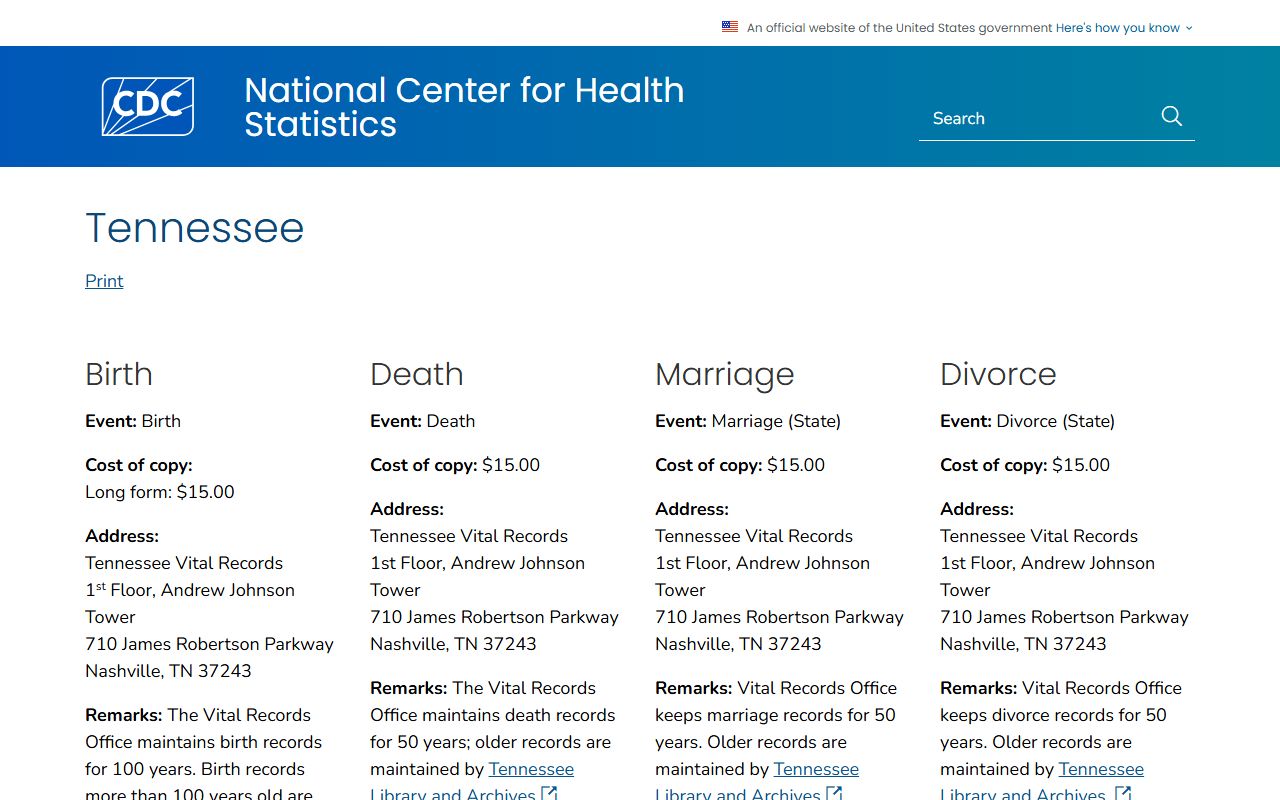
This page confirms the current state process for a Maury County death certificate request and keeps the fee and ID rule in one place.
Maury County Death Records Archives
Older Maury County death records often belong with local archive work first. The county archives and research library material tied to Maury County official records, newspapers, and death records give researchers a strong starting point. That is especially helpful in Columbia, where county and city research often overlap, and in Spring Hill, where county government services still matter for local families.
The archive route matters because not every Maury County death record starts in the modern certificate system. Some searches need a historical index, an old county file, or a local history note before the person can be matched. That is where the county archive and the library work together. One source may have the record. Another may have the clue that proves the record is the right one.
The TSLA vital records guide at Tennessee vital records at the library and archives explains the bigger Tennessee system. Tennessee did not require death registration until 1908, and 1913 is the dead year between the two laws. That means some Maury County deaths have no easy statewide certificate trail at all. In those cases, the county archive and local history sources do the real work.
The TSLA portal at Tennessee State Library and Archives gives you the archive entry point, and the Secretary of State contact page helps if you need reference help or office guidance. Together, they are the best backup when a Maury County archive lead needs a state-level follow-up.
Before you use the TSLA guide image below, open the source link first: Tennessee vital records at the library and archives.
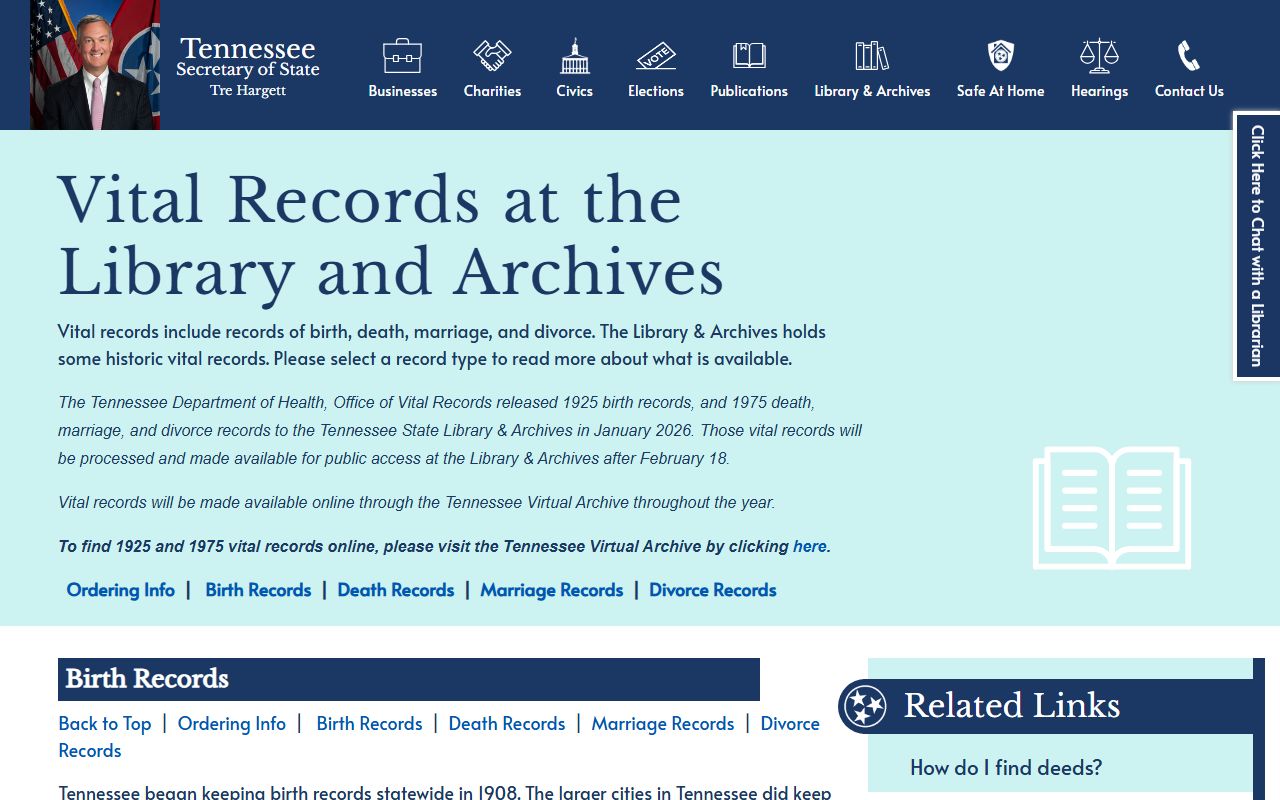
This guide helps you decide when a Maury County death record belongs in the archive path instead of the current certificate line.
Before you use the TSLA portal image below, open the source link first: Tennessee State Library and Archives portal.

The portal is the main archive gateway for older Maury County death records and related research help.
Columbia Death Records
Columbia matters because it gives Maury County research a physical center. A county seat is more than a label. It is where county offices, local files, and much of the practical record trail are easier to reach. When you are working on Columbia death records, you are often really working on Maury County death records with a local anchor. That helps because one source may point to a county office while another points to a family file, cemetery note, or obituary trail in the same city.
The Maury County Public Library is the best local research stop for that kind of work. Library staff and genealogy resources can help you look at death-related material, family history sources, and county-level clues that are hard to see in a statewide index. Maury County records do not all sit in one place. Some are formal. Some are local. Some are only visible once you combine the name with Columbia, a year, and a family link. That is why the library is useful even when you ultimately need a state certificate.
TNGenWeb is another helpful local-history tool. The Maury County TNGenWeb page gives county background and genealogy support that can point you toward the right Maury County death record before you order anything. It does not replace the certificate. It does often tell you where to look next, which is just as important when the record trail is thin.
Before you use the Ancestry image below, start with the source link: Ancestry Tennessee records.
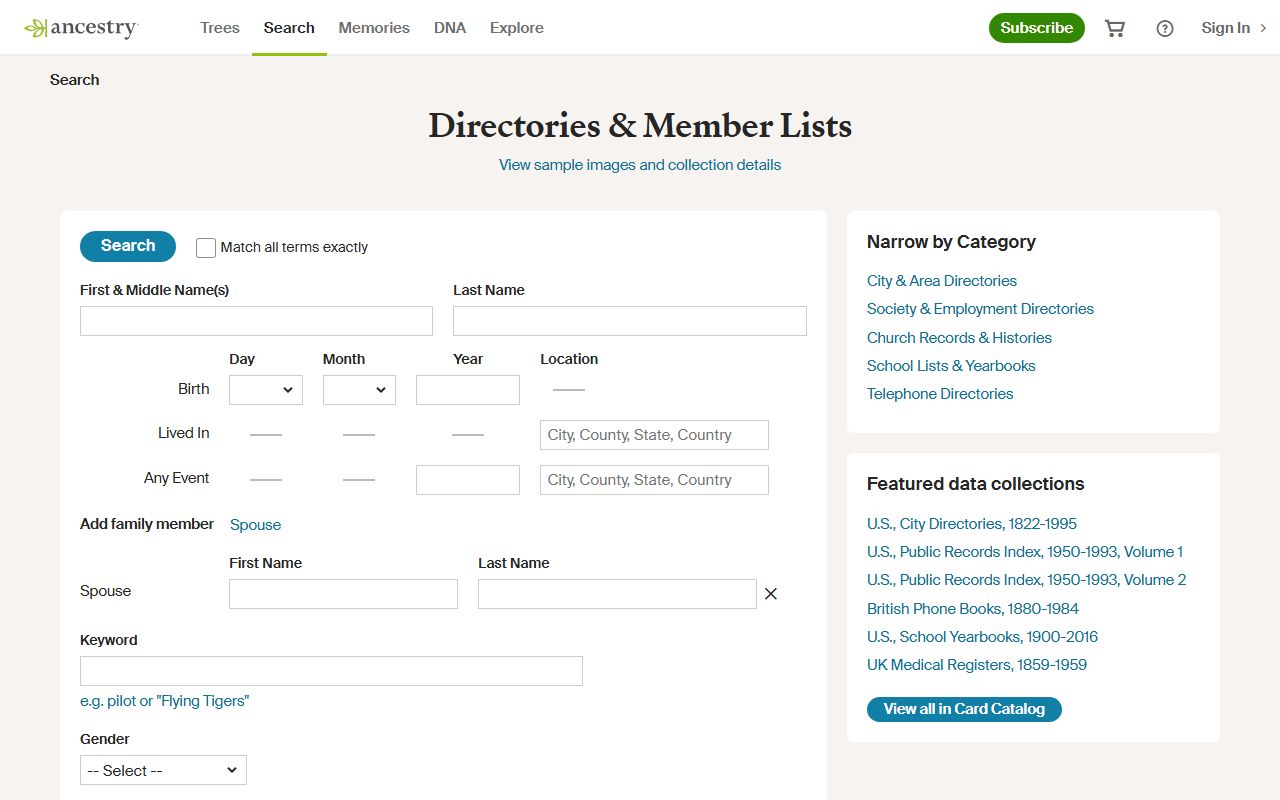
This partnership is useful for Maury County death records from the 1908 to 1965 period, especially when you need a broad index before a certificate request.
TNGenWeb is also helpful when a death record needs family context, cemetery clues, or a local history note.
Maury County Death Records Search Tips
Good Maury County death records searches start with a narrow date and the place name. That simple habit saves time. If you know the death happened in Columbia, use that detail early. If you know the person belonged to a Maury County family line, add the spouse or parent name. If you are comparing records, keep the burial place in mind too. Those small clues often separate a clean match from a near miss.
Use these details first:
- Full name of the deceased and any spelling variants.
- Approximate year or date of death.
- Columbia or Maury County if the place is known.
- Spring Hill, spouse name, parent name, or burial clue when available.
- Whether you need a certificate or a historical search result.
Maury County death records searches work better when you keep the office roles straight. The county website helps with public records and contact points. The archives and library help with local history. The state office issues the certificate. When the result is still unclear, move through those layers in order instead of jumping straight to the certificate request. That path is slower on paper, but faster in practice because it cuts down on wrong guesses and duplicate searches.
For one more historical check, the Tennessee State Library and Archives can still help with older county records that do not show up in a statewide index. That is a useful backstop when a Maury County death record is missing from the first source you try. The best searches are the ones that keep testing the next source until the file shows up.
Before you finish, remember these steps:
- Search the county government site first.
- Use the Maury County Public Library for local history and genealogy clues.
- Use the county records PDF and TSLA fact sheet for older files.
- Move to TSLA or the state office for older files.
- Order the certificate only after the record is matched.
Maury County Access Rules
When a Maury County death records search moves from local history to a certified copy, the Tennessee state system takes over. The Tennessee death records law explains why the copy process is formal. It also shows why records are registered, preserved, and released through a structured system instead of a casual public list. That matters in Maury County because the county, the archives, and the library help you find the record, but the state office controls the certified certificate side.
The CDC Tennessee vital records page keeps the current ordering details in one place. It confirms the $15 fee and the signed government-issued photo ID requirement. Those rules apply in Maury County just as they do elsewhere in Tennessee. If the record is recent, the state office handles the copy request. If it is old, the archive route becomes more important.
The broader national context can help too. Federal vital statistics standards explain the structure behind death certificates, and broader genealogy resources can help you place a Maury County death in a wider family timeline. Those tools do not replace the county archive or the state record. They do help you check whether the person you are tracing fits the year and place you think you have.
If you need another county-to-state handoff, keep the TSLA Maury County fact sheet and the Maury County TNGenWeb page in the same workflow. The county history and the archive bibliography often point to the same family lines, which makes the search more reliable.
Before you use the national vital statistics image below, open the source link first: CDC National Vital Statistics System.

This source helps explain the standardized death-certificate system behind Maury County death records and state filing practices.