
Search Meigs County Death Records
Meigs County death records are easier to sort when you start in Decatur and work outward through the county government, the county clerk, the records request page, the historical society museum, and Tennessee state records. Meigs County was formed in 1836 from part of Rhea County south of the Tennessee River, so the local trail is tied to place as much as it is to name. That matters when a death is recent, when it falls inside the state certificate window, or when it is old enough to need a museum clue, a county archive note, or a TNGenWeb lead before the right record appears.
Meigs County Death Records Facts
Meigs County Death Records Sources
The official county website at Meigs County government is the first local place to check. It gives the county frame behind Meigs County death records and keeps the search tied to the right office before you move into archives or state certificate work. The county clerk page is also useful when a request needs a local office contact or a routing step, and the records request page helps when a county record or public document request has to start locally.
The Meigs County Historical Society and Museum is another core source. The museum site says it preserves Meigs County history and includes a fantastic genealogical library. That makes it a strong place to look for burial clues, family files, and county history material that can point to the right Meigs County death record before you order a copy. In a county like Meigs, a museum clue can be just as useful as a certificate index.
The Meigs County TNGenWeb site at Meigs County TNGenWeb and the Meigs County records repository give researchers a local history and genealogy path when the statewide trail is thin. Those pages matter because they can point you toward families, cemeteries, and local place names that do not stand out in a plain certificate search. The TNGenWeb repository is a good extra archive layer when a surname appears in more than one generation.
The TSLA fact sheet at TSLA Meigs County genealogical fact sheet adds the county-history frame. It includes the formation act and local history material that help explain why some older Meigs County death records are easier to place once you know the county started in 1836 from land south of the Tennessee River. That background can save time when the family story is right but the first search is not.
Note: Meigs County death records searches work best when you connect the person to Decatur, a museum clue, or a family file before you request a copy.
Meigs County Death Certificates
When you need a certified Meigs County death certificate, the Tennessee Office of Vital Records is the correct state path. The CDC Tennessee vital records page gives the current Nashville mailing address, the $15 certified copy fee, and the requirement for a signed government-issued photo ID. That is the route to use when you need a certified copy for probate, insurance, estate work, or another formal purpose instead of only an index hit.
The state office keeps death records for 50 years. After that, older records move toward TSLA. So the date of death is the key filter in Meigs County. A recent death belongs in the state system. An older death is more likely to need local history help first, especially if you are starting from a family story or a surname rather than a certificate number.
The Tennessee Office of Vital Records keeps the process formal for a reason. A certified copy is a legal record, not a casual search result. That is why you need identification and why a request should include enough detail to let the office narrow the record. If you have the full name, a date or narrow range, and a county clue, you are already much closer to a clean match.
Before you use the CDC image below, open the source link first: CDC Tennessee vital records information.
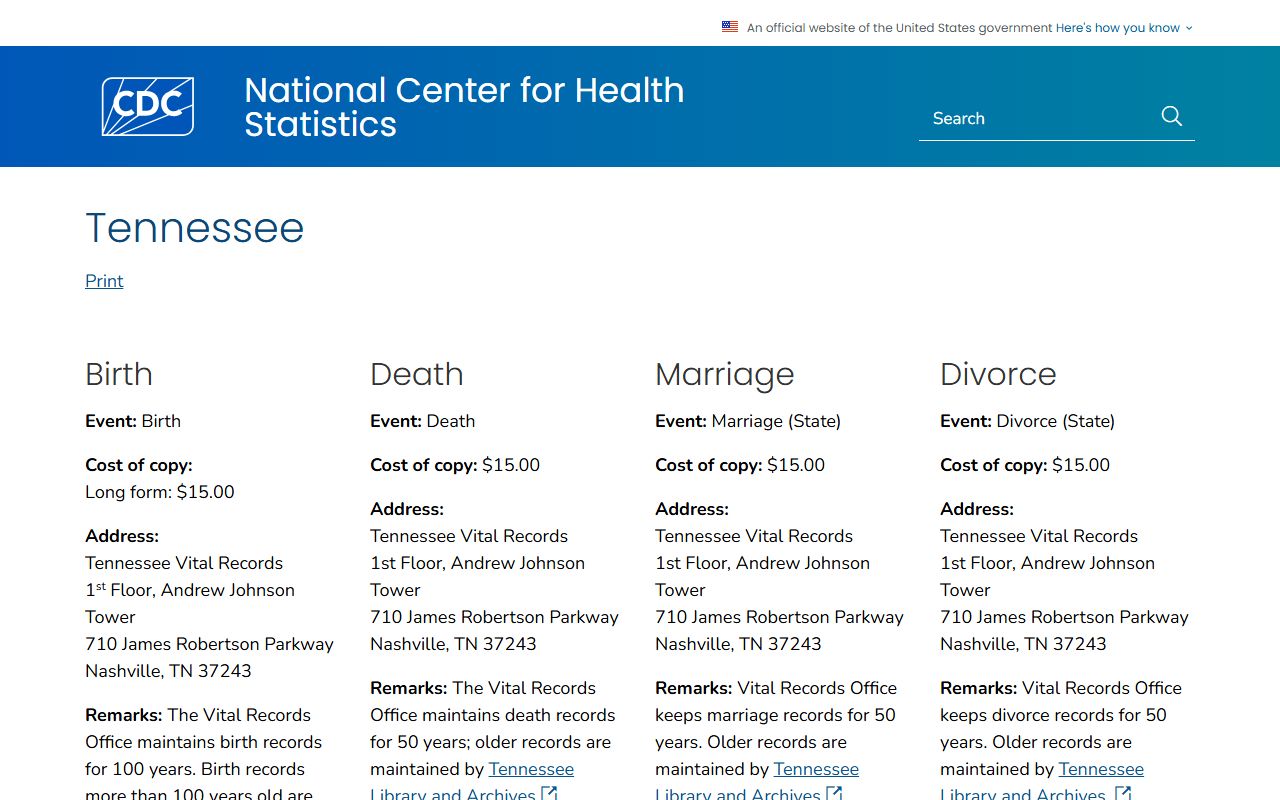
This page confirms the current state process for a Meigs County death certificate request and keeps the fee and ID rule in one place.
Meigs County Archives
Older Meigs County death records often belong with local archive work first. The Meigs County Historical Society and Museum preserves the county story and gives researchers a genealogical library that can help with older family lines. That matters because the county was formed in 1836, and the Tennessee River setting means local communities and family branches can cross paths in ways that are not obvious in a statewide index. A museum file, a local memoir, or a cemetery reference can do real work here.
The TSLA fact sheet helps here too. It gives the county formation background and local history material that can place a person in the right era. That is useful when the record you want is older, when the surname is common, or when a family appears in more than one county line. The county clerk page and the records request page can also help if you need a local office route before you move to archive work.
The Tennessee death records timeline still matters. Tennessee did not require statewide death registration until 1908, the first law expired at the end of 1912, and 1913 is the dead year between laws. So an older Meigs County death may not appear where you expect it. A missing entry can mean the record was never filed, the spelling changed, or the person belongs in a local source rather than a state certificate list.
The TSLA vital records guide explains the bigger Tennessee system. It helps show how Meigs County death records move between county, state, and archive custody as the year changes. That guide is the best place to see when the state office is still the right stop and when the archive trail takes over.
Before you use the TSLA guide image below, open the source first: Tennessee vital records at the library and archives.
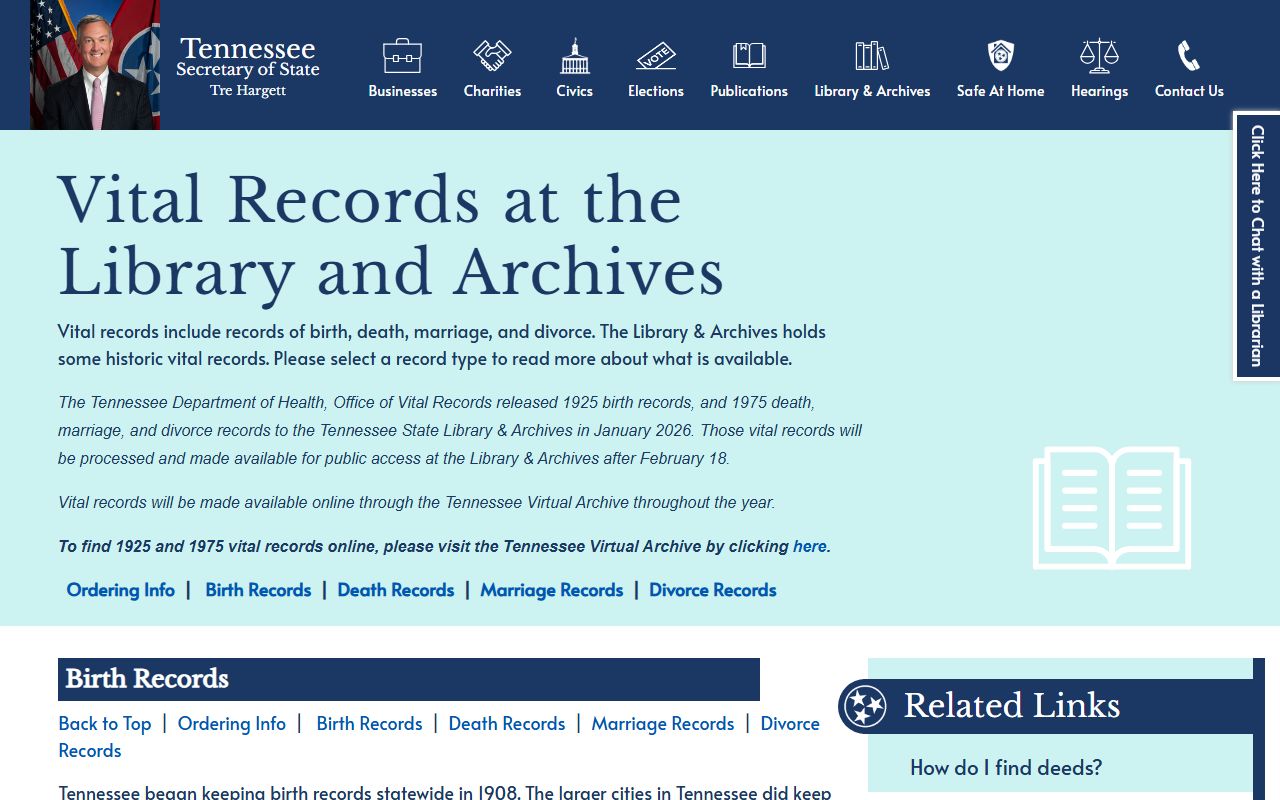
This guide explains how Meigs County death records move between county, state, and archive custody as the year changes.
Before you use the TSLA portal image below, open the source link first: Tennessee State Library and Archives portal.

The portal is the main archive gateway for older Meigs County death records and related research help.
Decatur Death Records
Decatur matters because it gives Meigs County research a physical center. A county seat is more than a label. It is where county offices, local files, and much of the practical record trail are easier to reach. When you are working on Decatur death records, you are often really working on Meigs County death records with a local anchor. That helps because one source may point to a county office while another points to a family file, a museum note, or a cemetery trail in the same town.
The county clerk page and the records request page are useful here too because they keep the office trail tight. If a search starts with a Decatur clue and ends in a county office question, those pages give you a path back to the right source. That can save a lot of time when you are trying to decide whether to search first, request a copy, or move directly to TSLA.
The Meigs County Historical Society and Museum is also strong in Decatur because it gives local history a home. A genealogical library, a memoir, and county history references can help you place a death in the right family line before you order a record. The Meigs County TNGenWeb main page and records repository do the same job online. Together, they make the Decatur research trail stronger than a bare statewide index.
Before you use the Ancestry image below, start with the source link: Ancestry Tennessee records.
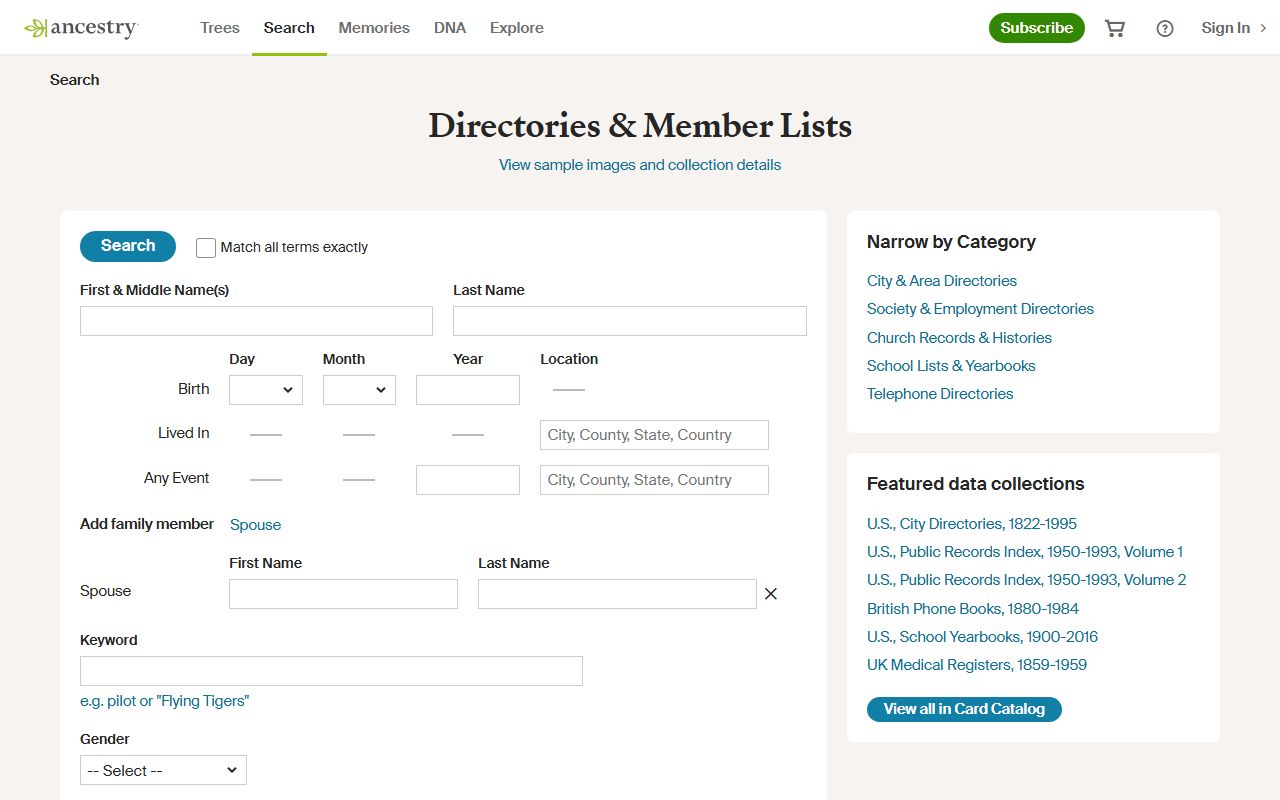
This partnership is useful for Meigs County death records from the 1908 to 1965 period, especially when you need a broad index before a certificate request.
Meigs County Death Records Search Tips
Good Meigs County death records searches start with a name, a place, and a year range. If you have Decatur, use it. If you know the family used a cemetery, church, or neighborhood clue, keep that close too. Small details matter because older county records often use spellings that do not match modern family memory. A spouse name can solve a search that otherwise seems stuck. A museum note or county record request can do the same.
Use the county and state sources in a steady order:
- Start with the Meigs County government site for office routing.
- Use the county clerk page and records request page for local office direction.
- Check the museum, TNGenWeb, and the records repository for family clues and history notes.
- Move to the CDC page and state contact page when you need a certified copy or archive direction.
- Use TSLA and Ancestry when you need a broader historical index search.
The museum and library trail is especially useful because local research is often what turns a vague search into a match. A genealogical library can help confirm a spouse, a burial place, or a year that is not obvious in the first pass. The Meigs County TNGenWeb page does the same job from a different angle. It gives you county background and genealogy support that can push a death record search one step closer to the right family line.
The best research path is usually local first, state second. That keeps the search focused and helps you avoid ordering a certificate before you know which office should hold the record. If the death is in 1913, be careful. Tennessee had a break in death registration that year, and Meigs County records from that window may be harder to find than records from the years immediately before or after.
Before you use the TNGenWeb image below, open the source first: Meigs County TNGenWeb.

This county project is a good reminder that Meigs County history, local place names, and archive references all matter in the same search.
For another broad support source, the Tennessee State Library and Archives contact page stays worth a look: Tennessee Secretary of State contact page.
That page helps when a Meigs County death record search needs archive help or a human follow-up instead of another search box.
Meigs County Death Records Access Rules
Meigs County death records still sit inside Tennessee law and policy, even when the practical search begins with a museum or county history page. The Tennessee death records statutes explain the legal structure around registration, access, and certified copies. That page is not the first place to search, but it is useful when you want to understand why a record is restricted, why ID is required, or why a formal certificate matters.
The Tennessee Office of Vital Records uses the same basic rules across counties. The CDC National Vital Statistics System explains the standard structure behind death certificates, while the CDC Tennessee vital records page confirms the $15 fee and the signed government-issued photo ID requirement. That matters for Meigs County just as much as anywhere else in the state. If the record is recent, the state office handles the copy request. If it is old, the archive route becomes more important.
The broader national context can help too. The National Archives genealogy resources can help you place a Meigs County death in a wider family timeline. They do not replace the county museum or the state record. They do help you check whether the person you are tracing fits the year and place you think you have.
If you need another county-to-state handoff, keep the TSLA Meigs County fact sheet and the Meigs County TNGenWeb main page in the same workflow. The county history and the archive bibliography often point to the same family lines, which makes the search more reliable.
Before you use the national vital statistics image below, open the source link first: CDC National Vital Statistics System.
This source helps explain the standardized death-certificate system behind Meigs County death records and state filing practices.