
Search Moore County Death Records
Moore County death records are easiest to trace when you start in Lynchburg and work outward through the Moore County Archives, TNGenWeb, TSLA, and the Tennessee state certificate system. Moore County was organized in 1871, so the local record trail is not ancient, but it is detailed enough to matter. The county archives and genealogy sources point to funeral-home records, newspaper references, cemetery clues, and manuscript material that can help you identify the right person before you request a copy. If the death is recent, the state office is the right path. If it is older, the local archive trail often tells you where to begin.
Moore County Death Records Facts
Moore County Death Records Sources
The Moore County Archives homepage at Moore County Archives is the first local place to check. The archive site tells visitors to explore the records that tell the story of Moore County, and that is the right mindset for death-record work here. A name by itself is often not enough. The archive trail can add the family, place, or burial clue that makes the death record searchable.
The TSLA fact sheet for Moore County at TSLA Moore County genealogical fact sheet gives the county-history frame. TSLA says Moore County was formed in 1871 and that Lynchburg is the county seat. It also lists a funeral-home records bibliography item, Harrison Funeral Home Records, Lynchburg, Tennessee, founded in 1934. That is a strong local-history lead when you are trying to identify a death through a funeral home, obituary, or family file.
The Moore County records inventory at Moore County records PDF shows how the county fits into the Tennessee archive system. Earliest records include marriages, wills, deed index material, chancery court minutes, county court minutes, circuit court minutes, and tax books beginning in 1872. Newspapers were published in Lynchburg too, with scattered early issues and a complete run beginning in 1957. Those details matter because they show that a Moore County death record can be corroborated through more than one local file.
The Moore County TNGenWeb page at Moore County, Tennessee Genealogy is another useful support source. TNGenWeb helps local researchers build county context, and the Moore County page is especially useful when a surname shows up in a cemetery list, a family line, or a local history note before it appears in a statewide index.
Note: Moore County death records are easier to sort when you connect the person to Lynchburg, a funeral-home reference, or a family file before you request a copy.
Moore County Death Certificates
When you need a certified Moore County death certificate, the Tennessee Office of Vital Records is the correct state path. The CDC Tennessee vital records page gives the current Nashville mailing address, the $15 certified copy fee, and the requirement for a signed government-issued photo ID. That is the route to use for probate, insurance, estate work, or any other formal purpose that needs a certified copy instead of only an index hit.
The state office keeps death records for 50 years. After that, older records move toward TSLA. So the real question is not just who died, but when. A death in the last few decades usually belongs in the state system. A Moore County death from long ago is more likely to need a historical search first, especially if you are starting from a family story rather than a certificate number.
The archived Tennessee vital records page at archived Tennessee vital records page explains the office role. It says the Tennessee Office of Vital Records reviews, registers, amends, issues, and maintains the original certificates. That is why a certified copy carries legal weight. The county can help you find the right path, but the state office is the one that issues the formal certificate.
If you are preparing a Moore County death certificate request, keep the basics together: full name, approximate date of death, Lynchburg or another county place clue, and any spouse or family detail you already know. Those details save time and reduce the chance that the request gets sent to the wrong place.
Before you use the CDC source image below, open the source first: CDC Tennessee vital records information.
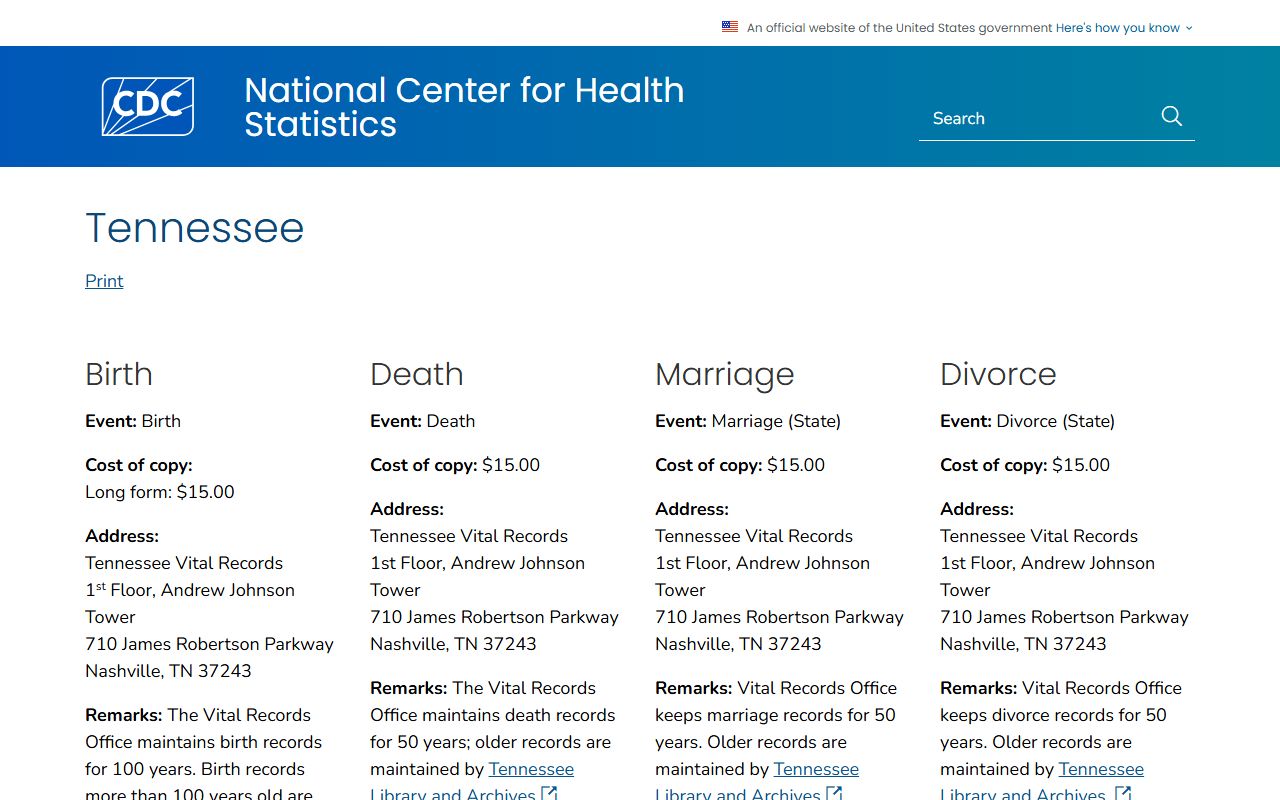
This source confirms the modern certificate process and the ID rule for Moore County death records requests.
Moore County Death Records Archives
Older Moore County death records often belong with local archive work first. The Moore County Archives site says it is there to preserve the stories of the county, and that is a good fit for death-record work because local stories often include the clue you need. A funeral home, a newspaper note, or a family manuscript can point you to the right year or the right household before you ever submit a formal request.
The TSLA fact sheet helps here too. It shows that Moore County was formed in 1871 from portions of Bedford, Franklin, and Lincoln counties and that Lynchburg became the county seat. The fact sheet also points to early record sets, including marriages, wills, and court minutes beginning in 1872, plus the funeral-home records bibliography item at Harrison Funeral Home in Lynchburg. That is a strong local research trail. If the record you want is older, the archives and TSLA materials can help you see whether the person belongs in a manuscript set, a funeral-home reference, or a state index before you order anything.
The Tennessee death records timeline still matters. Tennessee did not require statewide death registration until 1908, the first law expired at the end of 1912, and 1913 is the dead year between laws. So an older Moore County death may not appear where you expect it. A missing entry can mean the record was never filed, the spelling changed, or the person belongs in a local source rather than a state certificate list.
The TSLA vital records guide at Tennessee vital records at the library and archives explains the bigger Tennessee system. The guide is useful when you need to decide whether a Moore County death belongs in the current certificate line or in archive care. The TSLA portal at Tennessee State Library and Archives gives you the archive entry point, and the Secretary of State contact page helps if you need reference help or office guidance.
Before you use the TSLA guide image below, open the source link first: Tennessee vital records at the library and archives.
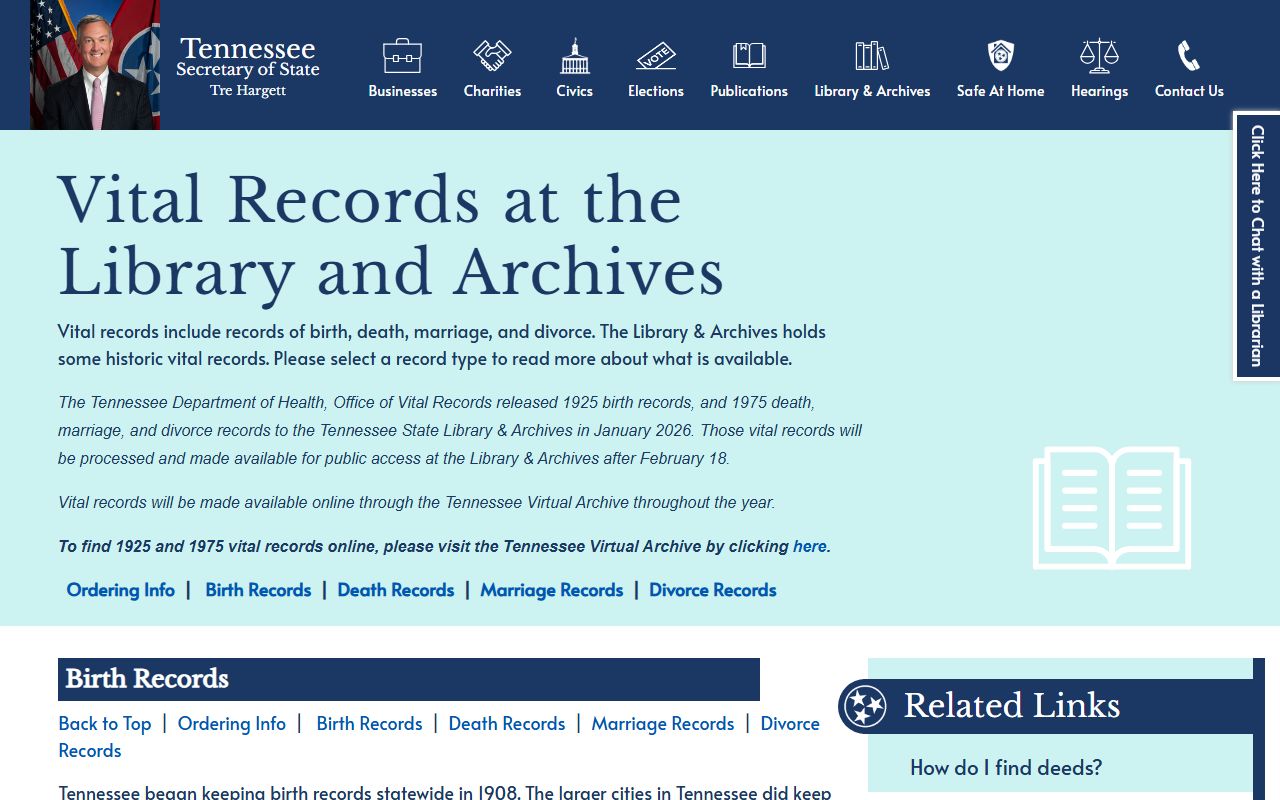
This guide helps you decide when a Moore County death record belongs in the archive path instead of the current certificate line.
Before you use the TSLA portal image below, open the source link first: Tennessee State Library and Archives portal.

The portal is the main archive gateway for older Moore County death records and related research help.
Lynchburg Death Records
Lynchburg matters because it gives Moore County research a physical center. A county seat is more than a label. It is where county offices, local files, and much of the practical record trail are easier to reach. When you are working on Lynchburg death records, you are often really working on Moore County death records with a local anchor. That helps because one source may point to a county office while another points to a family file, funeral-home record, or obituary trail in the same town.
The Moore County Archives is the best local research stop for that kind of work. It can help you line up the family, the funeral home, and the place name before you move to the state office. Moore County death records do not all sit in one place. Some are formal. Some are local. Some are only visible once you combine the name with Lynchburg, a year, and a family link. That is why the archives are useful even when you ultimately need a state certificate.
TNGenWeb is another helpful local-history tool. The Moore County TNGenWeb page gives county background and genealogy support that can point you toward the right Moore County death record before you order anything. It does not replace the certificate. It does often tell you where to look next, which is just as important when the record trail is thin.
Before you use the Ancestry image below, start with the source link: Ancestry Tennessee records.
This partnership is useful for Moore County death records from the 1908 to 1965 period, especially when you need a broad index before a certificate request.
The Moore County books page is also useful when you need a funeral-home or obituary clue. It includes Harrison Funeral Home Records, Lynchburg, Tennessee, which is exactly the kind of local reference that can bridge a hard search.
Moore County Death Records Search Tips
Good Moore County death records searches start with a narrow date and the place name. That simple habit saves time. If you know the death happened in Lynchburg, use that detail early. If you know the person belonged to a Moore County family line, add the spouse or parent name. If you are comparing records, keep the funeral-home name or burial place in mind too. Those small clues often separate a clean match from a near miss.
Use these details first:
- Full name of the deceased and any spelling variants.
- Approximate year or date of death.
- Lynchburg or Moore County if the place is known.
- Spouse name, parent name, funeral-home clue, or burial clue when available.
- Whether you need a certificate or a historical search result.
Moore County death records searches work better when you keep the office roles straight. The archive site helps with local stories. TSLA helps with county records and historical indexes. The state office issues the certificate. When the result is still unclear, move through those layers in order instead of jumping straight to the certificate request. That path is slower on paper, but faster in practice because it cuts down on wrong guesses and duplicate searches.
For one more historical check, the Tennessee State Library and Archives can still help with older county records that do not show up in a statewide index. That is a useful backstop when a Moore County death record is missing from the first source you try. The best searches are the ones that keep testing the next source until the file shows up.
Before you finish, remember these steps:
- Search the Moore County Archives first.
- Use the TSLA fact sheet and county records PDF for older files.
- Use TNGenWeb and the books page for family and funeral-home clues.
- Move to TSLA or the state office for older files.
- Order the certificate only after the record is matched.
Moore County Access Rules
When a Moore County death records search moves from local history to a certified copy, the Tennessee state system takes over. The Tennessee death records law explains why the copy process is formal. It also shows why records are registered, preserved, and released through a structured system instead of a casual public list. That matters in Moore County because the archives, TNGenWeb, and the funeral-home trail help you find the record, but the state office controls the certified certificate side.
The CDC Tennessee vital records page keeps the current ordering details in one place. It confirms the $15 fee and the signed government-issued photo ID requirement. Those rules apply in Moore County just as they do elsewhere in Tennessee. If the record is recent, the state office handles the copy request. If it is old, the archive route becomes more important.
The broader national context can help too. Federal vital statistics standards explain the structure behind death certificates, and broader genealogy resources can help you place a Moore County death in a wider family timeline. Those tools do not replace the county archive or the state record. They do help you check whether the person you are tracing fits the year and place you think you have.
If you need another county-to-state handoff, keep the TSLA Moore County fact sheet and the Moore County TNGenWeb page in the same workflow. The county history and the archive bibliography often point to the same family lines, which makes the search more reliable.
Before you use the national vital statistics image below, open the source link first: CDC National Vital Statistics System.

This source helps explain the standardized death-certificate system behind Moore County death records and state filing practices.
Before you use the archived state guidance image below, open the source first: archived Tennessee vital records page.
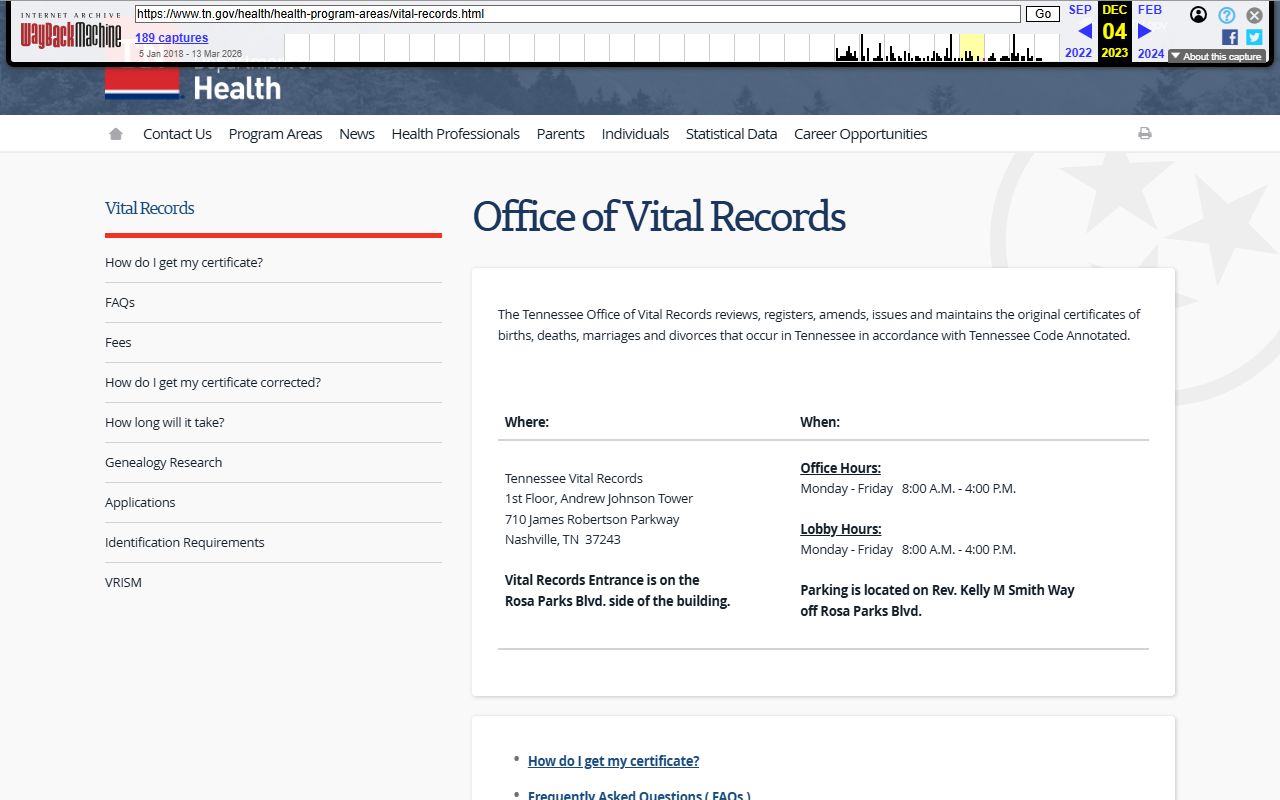
This archived page helps explain the state office role behind modern certificate handling for Moore County death records.
Before you use the genealogy resource image below, open the source link first: National Archives genealogy resources.
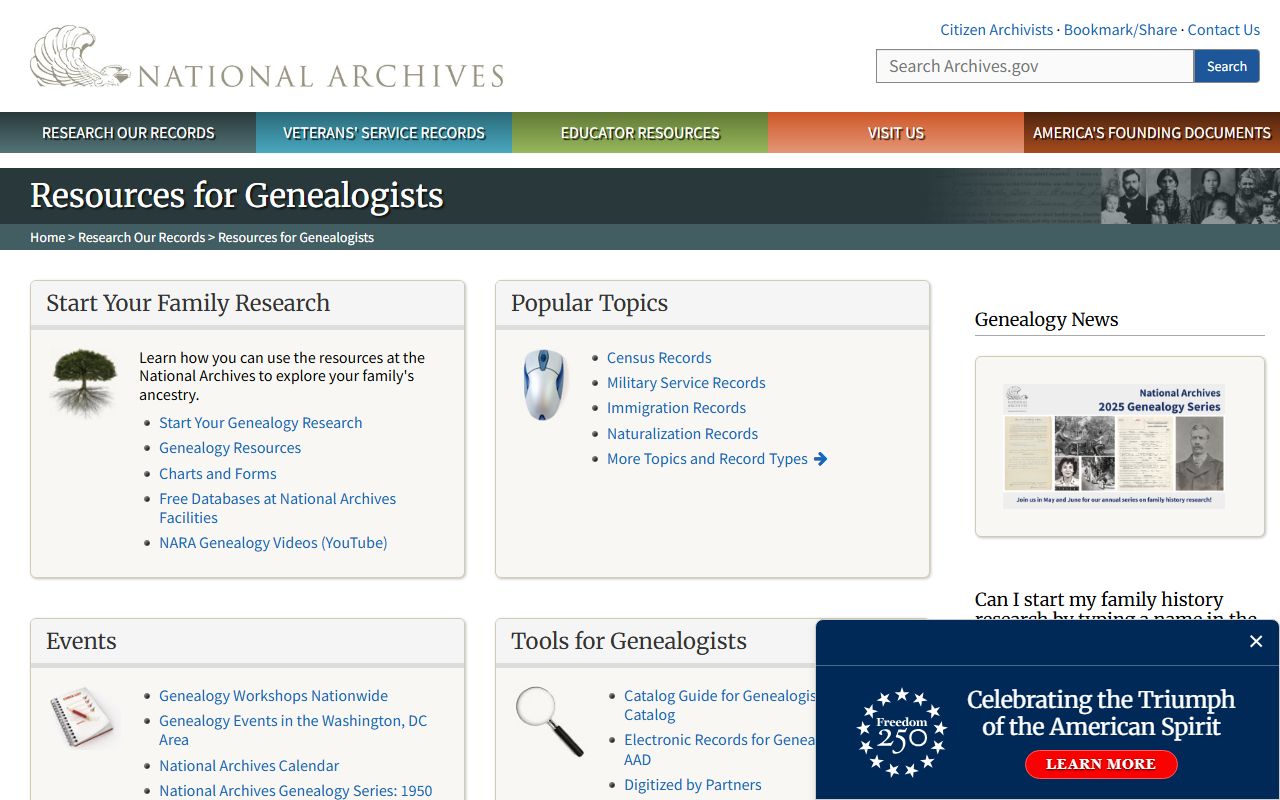
It is a useful companion when you need broader family records to support a Moore County death records search.