
Search Robertson County Death Records
Robertson County death records are easiest to sort when you start in Springfield and work outward through the county archives, the local genealogy trail, and Tennessee state records. Robertson County was formed in 1796, so the paper trail runs deep and reaches far past the modern certificate era. That matters because the county archives hold death-record indexes, obituary files, and other local material that can point to the right person before you ever order a copy. If the death is recent, the state office still matters most. If it is older, the Springfield archive path often gives you the key clue first.
Robertson County Death Records Facts
Robertson County Death Records Sources
The official county archive database at Robertson County Archives Databases is the best local starting point for Robertson County death records. Its public index includes Abstracts of Death Records from 1802 through 1960, obituaries from 1922 through 2024, wills and estates, marriages, county court minutes, and more. That scope matters because it gives researchers a wide view of the county's death-record trail, not just a single certificate line. In Springfield, that kind of local index work is often the fastest way to pin down the right person, date, or family branch.
The archives and genealogy page at Robertson County archives and genealogy adds the local address and the local research habit. It identifies the Robertson County Archives at 504 S. Willow Street in Springfield and notes the 1908-1912 death book and the 1925-1938 death book. It also gives surname and time-frame search guidance, which is useful when you already know the family line but need a narrower date window. The page points researchers toward the Gorman-MacBane Public Library and the Robertson County Historical Society too, both of which can help you move from a name to a usable death-record clue.
The TSLA fact sheet at TSLA Robertson County genealogical fact sheet keeps the county history tied to the state archive system. TSLA notes that Robertson County was formed in 1796 and that Springfield is the county seat. It also points researchers to microfilmed county records, newspapers on microfilm, Tennessee death-record indexes, and funeral home records. That mix is important because a Robertson County death search can move from an obituary to a county index to a funeral home clue without ever leaving the Springfield research trail.
Note: Robertson County death records are best handled as a local archive search first, then a state certificate search if the date is recent enough for the Tennessee vital records office.
Robertson County Death Certificates
When you need a certified Robertson County death certificate, the Tennessee Office of Vital Records is the correct state path. That is the route to use when the death is still inside the modern certificate window and you need a formal copy for probate, insurance, estate work, or another legal purpose. The county archives can help you find the person, but they do not replace the state certificate office. That distinction matters in Robertson County because the local records are strong enough to lead the search, while the state office is still the place that issues the certified copy.
The Tennessee rules matter here. Death registration began statewide in 1908, the first law expired at the end of 1912, and 1913 is the gap year that often causes trouble in a Robertson County search. The state office also keeps death records for 50 years before older material moves toward TSLA. That means the year of death is the key filter. A recent death usually belongs in the state system. An older death is more likely to need the Springfield archive index, a library clue, or a funeral home record before you order anything.
The process is formal for a reason. A certified copy is a legal record, not a casual search result. That is why Tennessee asks for a signed government-issued photo ID and a fee of $15. If you have the full name, a date or narrow range, and a Robertson County place clue, you are already much closer to a clean match. If you only have a family story, use the local archive sources first so the state request has enough detail to work.
Before you use the CDC Tennessee page below, open the source first: CDC Tennessee vital records information.
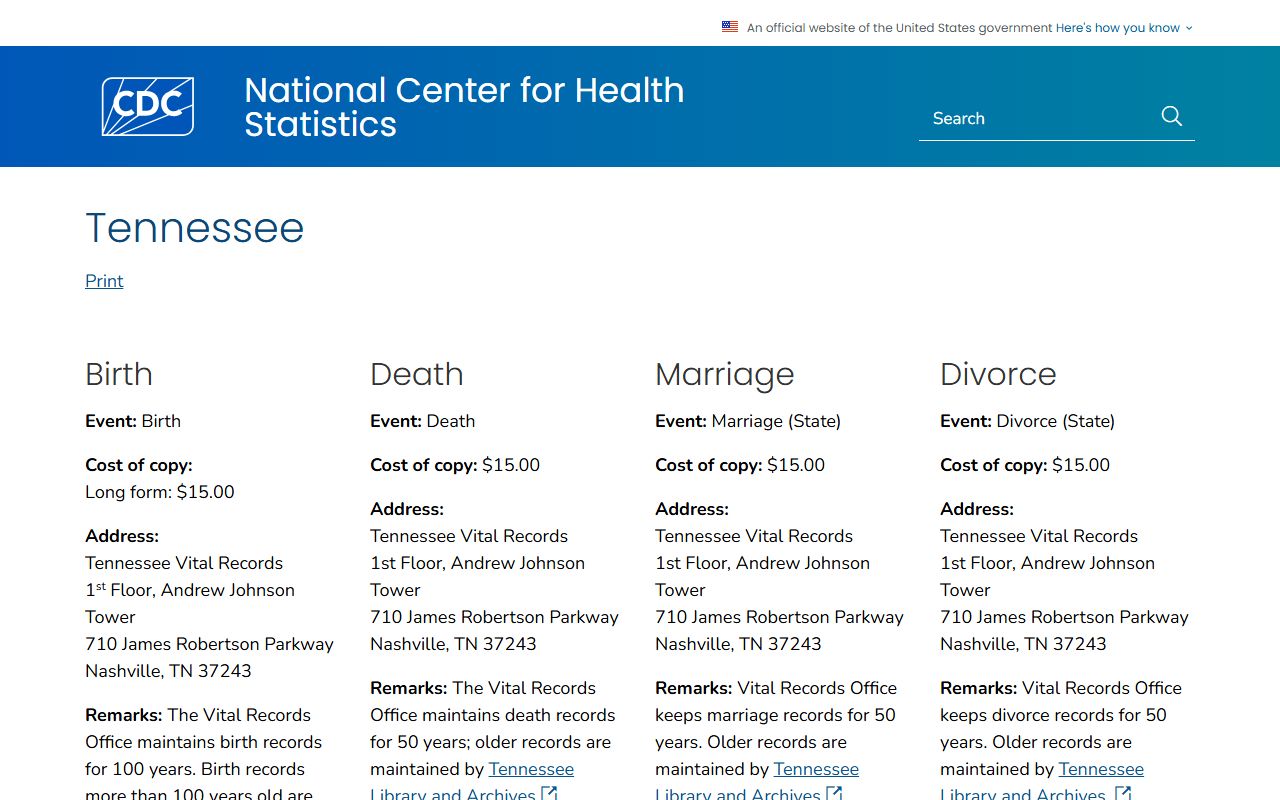
This page confirms the current state certificate path for Robertson County death records and keeps the fee and ID rule in one place.
Springfield Death Records Research
Springfield matters because it gives Robertson County research a physical center. A county seat is more than a label. It is where county offices, local files, and the practical record trail are easier to reach. When you are working on Springfield death records, you are usually working on Robertson County death records with a local anchor. That helps because one source may point to a county archive while another points to a family file, an obituary, or a court-minute clue in the same town.
The Robertson County Archives database is the strongest local anchor in Springfield. Its public index can show an abstract of death records, an obituary date, a will, a marriage, or a court minute that helps you connect the family. That matters because the index is broad enough to support both older and newer death research. It can also help you decide whether the record you need is a county research item or a state certificate request. In a county with this much local paper, the Springfield archive trail often gets you closer to the answer than a general web search ever will.
The archives and genealogy page gives the search a street-level location at 504 S. Willow Street. That is a practical detail, not just a mailing note. It tells you where local research actually lives. The same page also points to the Gorman-MacBane Public Library and the Robertson County Historical Society, which means Springfield researchers have more than one local place to check before they move to a state office. Those local clues can be enough to identify the right family line, especially when the death book or obituary index is the only thing that ties the person to the county.
Before you use the TSLA guide image below, open the source first: Tennessee vital records at the library and archives.
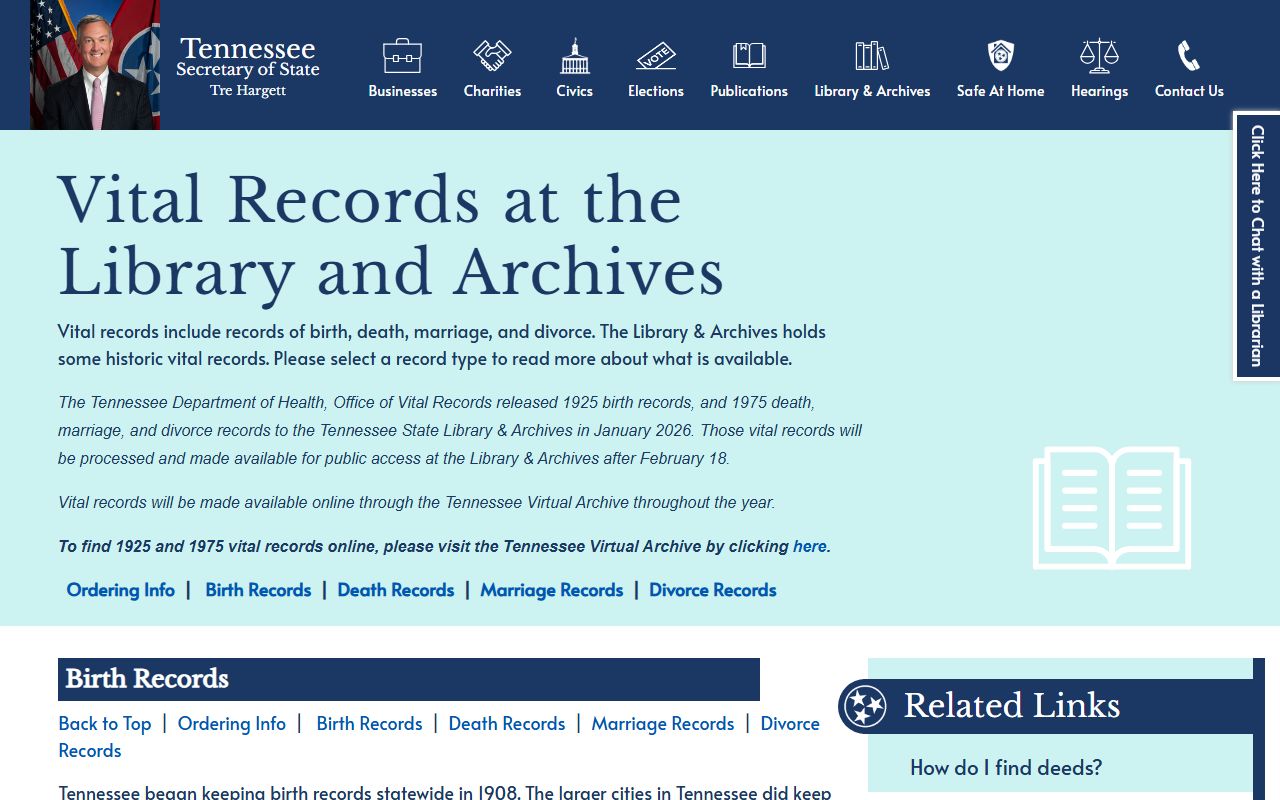
This guide shows how Robertson County death records move between county, state, and archive custody as the year changes.
Robertson County's local record depth also fits the county's age. Because the county dates back to 1796, many families leave more than one trace. A death record search can begin in the obituary index, move to a will or estate clue, and then land on the right book or certificate. That is normal here, and it is why Springfield remains the best place to start.
Robertson County Death Records Search Tips
Good Robertson County death records searches start with a name, a place, and a year range. If you have Springfield, use it. If you know the family used a nearby community, church, or cemetery, keep that close too. Small details matter because older county records often use spellings that do not match modern family memory. A spouse name can solve a search that otherwise seems stuck. A will index or obituary date can do the same.
Use the county and state sources in a steady order. Start local. Then move outward.
- Start with the Robertson County Archives database for death abstracts, obituaries, and related county records.
- Use the archives and genealogy page for the 1908-1912 death book, the 1925-1938 death book, and Springfield location details.
- Check the TSLA fact sheet for county history, microfilmed records, and newspaper guidance.
- Move to the Tennessee Office of Vital Records when the death is recent enough for a certified copy request.
- Use surname and time-frame clues to narrow the search before you ask for a record copy.
The strongest Robertson County searches are usually broad first and narrow second. That approach is better than guessing too fast. It also helps you avoid false matches when a family repeats the same first name across several generations. If the death is near 1913, be extra careful. Tennessee has a registration gap around that year, so the record may be missing from the exact place you expect.
Broad historical indexing can also help when you need another clue before you request a copy. Ancestry Tennessee records are useful for the 1908 through 1965 range and can give you a date or county clue that fits the Robertson County trail. That does not replace the county archives or local library work. It helps you move to them with more confidence.
Before you use the Ancestry image below, open the source first: Ancestry Tennessee records.
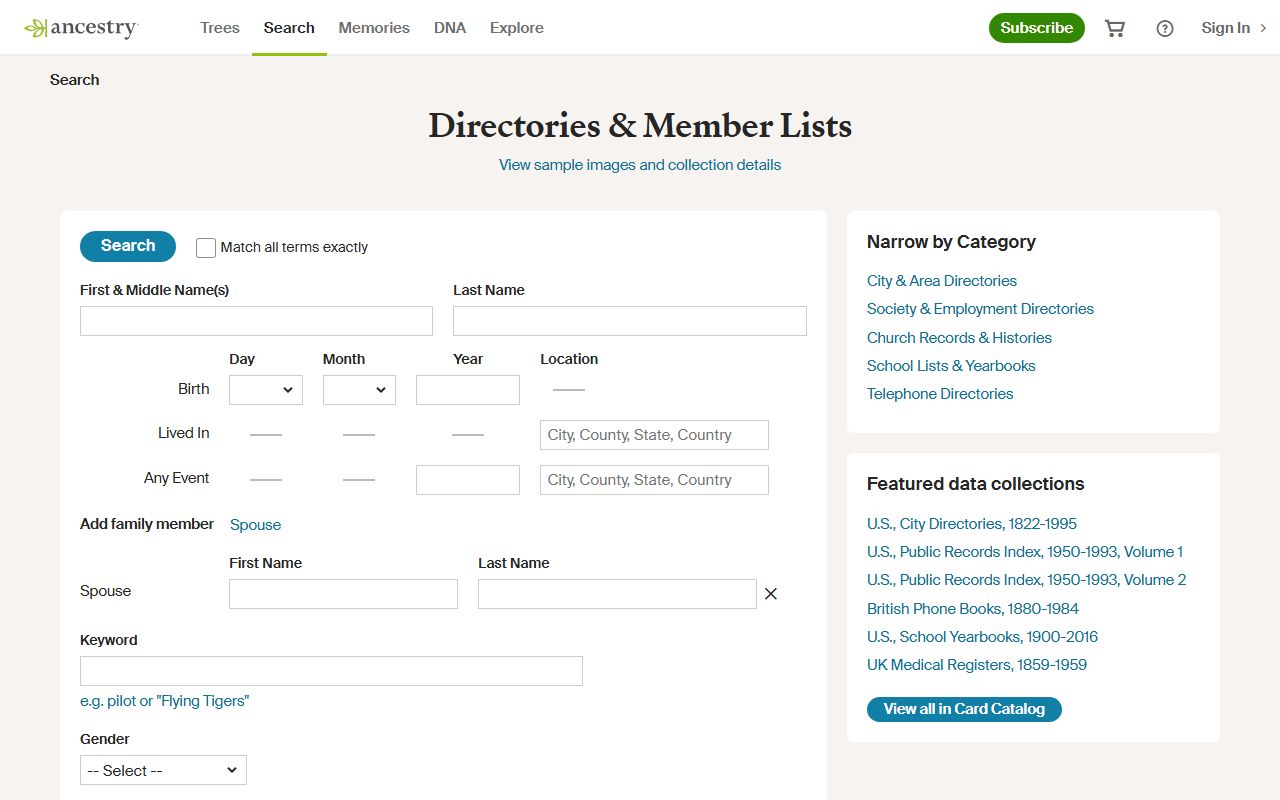
This index support can help you bridge a Robertson County name, year, or place clue before you request the record from the proper office.
Robertson County Access Rules
Robertson County death records still sit inside Tennessee law and policy, even when the practical search begins with an archive index or a local obituary file. The Tennessee death records statutes explain the legal structure around registration, access, and certified copies. That page is not the first place to search, but it is useful when you want to understand why a record is restricted, why ID is required, or why a formal certificate matters.
The Tennessee State Library and Archives portal at TSLA portal is the main archive gateway when a Robertson County death record has moved beyond the county office window. It is especially useful for older records, cross-checking local research, and finding the next step when the county trail runs out. In Robertson County, the portal fits neatly beside the archives database and the Springfield genealogy page because each one solves a different part of the same search.
The broader research picture matters too. The county archives can explain the person. The local genealogy page can explain the book or index. TSLA can explain custody. The law page explains why access works the way it does. When those pieces line up, Robertson County death records become easier to place and easier to request without sending the search in circles. That is true whether you are working from Springfield, a family story, or an obituary index that gives you only part of the answer.
Before you use the national vital statistics image below, open the source first: CDC National Vital Statistics System.
This source helps explain the standard death-certificate system behind Robertson County records and state filing practice.