
Use Gallatin to Trace Sumner County Death Records
Sumner County death records are easiest to handle when you begin in Gallatin and then work outward through the county archives, TSLA research tools, and the Tennessee state certificate system. That order keeps the search local first, which matters here because Sumner County has a strong archives program and a deep county record base. For older deaths, the county trail can tell you whether you are on the right family line before you ever ask for a certified copy. For recent deaths, the state office remains the proper place to request the certificate itself. The point is to match the record type to the office instead of treating every death record as if it lives in the same place.
Sumner County Death Records Facts
Sumner County Death Records Sources
The best local starting point is the TSLA Sumner County genealogical fact sheet. It gives the county frame researchers need before they move into a certificate request, including Sumner County formation in 1786, Gallatin as the county seat, and the bibliography-style research aids TSLA ties to the county. Those details matter because a death search in Sumner County is often as much about place and family context as it is about the certificate line itself. If you know where the family lived, buried its dead, or kept land, the fact sheet can help you tighten the search before you spend time on a formal order.
The county archives page is the next local stop. The Sumner County Archives requests page says the archives welcomes mail and e-mail requests, searches indexed records only, and asks you to limit each request to five items. It also explains the fee structure, the need for a stamped self-addressed envelope with mail requests, and the rule that payment is made in advance before copies are mailed. That is useful because the county archive route is a research doorway, not a state certificate order form. It helps you identify the right record and the right local context first.
Gallatin belongs in the search from the beginning because the county seat anchors the archives workflow. Even when Hendersonville or another Sumner County community appears in a family story, Gallatin remains the practical county center for records work. That keeps the search grounded in the county instead of drifting straight to the state level too early.
The county sources work best when they are treated as a sequence. First, use the TSLA county fact sheet to place the family in the county frame. Then use the archives request path to see what local holdings can confirm. Only after that should you move to the certified copy process if you still need it.
Sumner County Death Records Archives
The Sumner County Archives overview of holdings says the archives is the depository for the official records of Sumner County, Tennessee, and also a genealogical and historical research facility. It notes that the county’s records are largely intact and date from the county’s formation in 1786, which is exactly why this county is worth researching carefully. The holdings list is also unusually helpful for death work: it includes Tennessee death indexes 1908-1946 and Sumner County death records 1908 to 1925 only. That means the archives can be a strong lead for older county work, but it is not a substitute for the state’s certified death certificate process.
The request page adds the practical details. Sumner County Archives research information is focused on early indexed court records. Research fees are based on the number of items requested and the time required. The archives will contact you with the total cost, accepts cash for in-person searches, check, or money order, and recommends a flash drive plus a stamped self-addressed envelope for return materials. If you are mailing the request, the address is 365 North Belvedere Drive in Gallatin, and the office hours are 8:00 a.m. to 4:30 p.m., Monday through Friday, except posted holidays. That is the path to use when you need county help locating the record, not when you are asking for the state certificate itself.
That county archives context is important in Gallatin because the local trail can include court material, probate context, newspaper references, and family files that help identify the right death entry. When the surname is common or the death year is only approximate, the archives request path can save time by narrowing the search before you move to the certified copy side.
Before you use the TSLA guide image below, open the source link first: TSLA vital records guide.
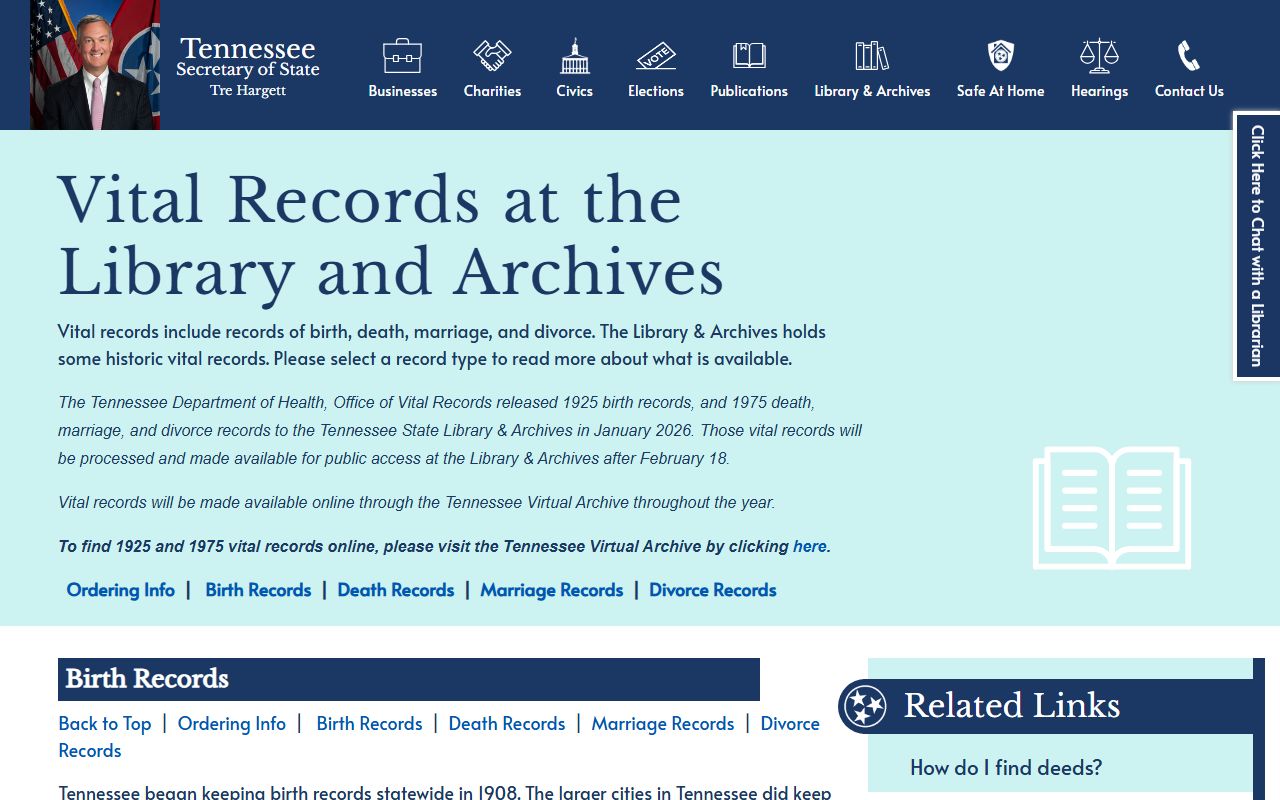
This guide helps show how Sumner County research and Tennessee archive custody fit together as records age out of the active state office window.
The practical rule is simple. Use the county archives path to understand the local record trail. Use the state office when you need the legal copy.
Sumner County Death Certificates
When you need a certified Sumner County death certificate, the Tennessee Office of Vital Records is still the correct source. The CDC Tennessee vital records page explains the current state ordering path and keeps the address, fee, and identification rules together. That matters because the county archives are helpful for research and county-record context, but they do not issue state death certificates. If the record is needed for probate, insurance, estate work, or another legal purpose, the state route is the right route.
The year of death matters as much as the county. Tennessee law requires each death in the state to be filed with the office of vital records, and the public-access rule changes once fifty years have passed after the date of death. In practical terms, recent deaths belong in the state certificate workflow while older records become more archive-heavy. For Sumner County researchers, that usually means starting with Gallatin and the archives first when the death is historical, then switching to the state copy process once you know you have the right person.
The request itself is also formal. A certified copy is a legal record. The more exact your information, the better the outcome. A full name, an approximate year, and a Sumner County or Gallatin clue can save time. If you also know a funeral home, cemetery, or town within the county, that can help you confirm the correct record before you request it.
Before you use the CDC image below, open the source link first: CDC Tennessee vital records information.
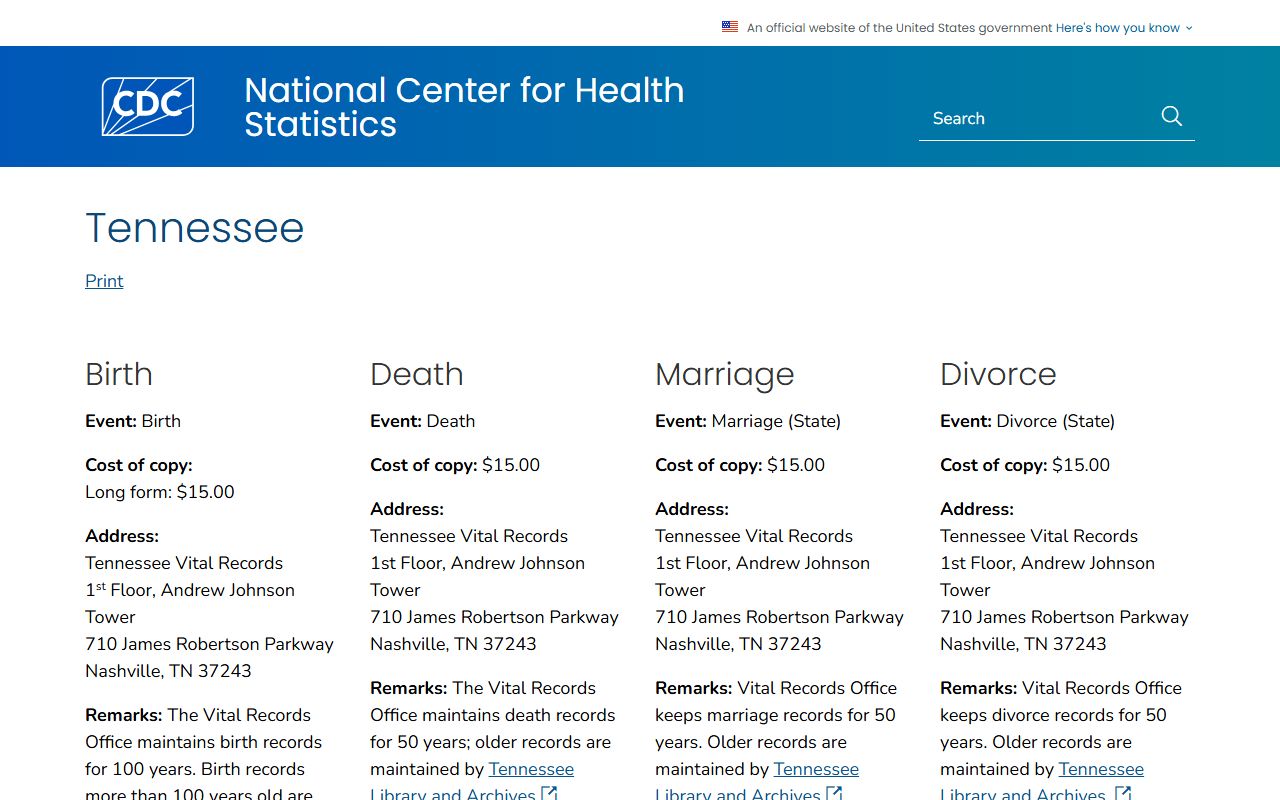
This source keeps the state copy process clear when a Sumner County death record moves from local research into formal ordering.
For older records, the best outcome usually comes from using the county archives path and the state archive tools before placing the final request.
Gallatin and Hendersonville Death Records Context
Gallatin is the county seat, so it sits at the center of Sumner County death records research. That does not mean every death happened in Gallatin. It means the county record structure points back there. When a family lived in Hendersonville or another part of the county, Gallatin still provides the county-seat anchor that makes the search more precise. That is important when a record needs county context before it becomes obvious in a statewide system.
The TSLA fact sheet for Sumner County helps reinforce that local frame. It gives county formation details, county seat information, and research aids that are useful for older deaths. The fact sheet also points researchers toward county bibliography material for Sumner County, including place-based history tied to Gallatin, Hendersonville, and other local communities. That helps because older death records are often easier to identify when you know the family’s town, neighborhood, or burial area.
The county archives request path also works as part of the Gallatin search. It gives a place to start when the death record trail needs county holdings first. That can be especially useful when a death is older than the main state office window or when the search begins with a family story instead of a certificate number. Hendersonville may appear in the family history, but the county archives and Gallatin still supply the county-level structure behind the record search.
Before you use the TSLA portal image below, open the source link first: Tennessee State Library and Archives portal.

The TSLA portal is the broader archive gateway for Sumner County death records that need more than the county request path alone.
Gallatin is the practical anchor for county-focused death record work, even when the family history reaches across the rest of Sumner County.
Sumner County Death Records Search Tips
Good Sumner County death records searches begin with a name, a place, and a year range. If you know Gallatin, use it. If the family was tied to Hendersonville, include that too, but keep the search county-focused. Small details matter because older death records often rely on county context that is not obvious from a name alone. A local place name can narrow the search faster than a broad statewide lookup, especially when the surname is common or the year is only approximate. In a county with an intact archives program, it is usually better to confirm the local trail first and then move to the certified record line.
Use the county and state sources in a steady order:
- Start with the TSLA Sumner County fact sheet for Gallatin and county research aids.
- Use the Sumner County Archives holdings overview and the request page for county holdings and local record framing.
- Check the TSLA vital records guide when the record looks older or the custody question is unclear.
- Move to the CDC Tennessee vital records page when you need the certified state copy.
- Use Ancestry Tennessee records to compare a broader index against your county clues.
That order works because it keeps the search grounded in the county first. Sumner County has enough record depth that one county clue can unlock the rest. If the death is older than expected, the county archives request path can help you avoid placing a state request before you know you have the right person.
The Tennessee timeline still matters. Statewide death registration begins in 1908, the first law ended in 1912, and 1913 is the gap year between laws. If your Sumner County death falls in that period, expect to rely more heavily on county aids, TSLA guidance, and broader index tools than on one single source.
Before you use the Ancestry image below, open the source link first: Ancestry Tennessee records.
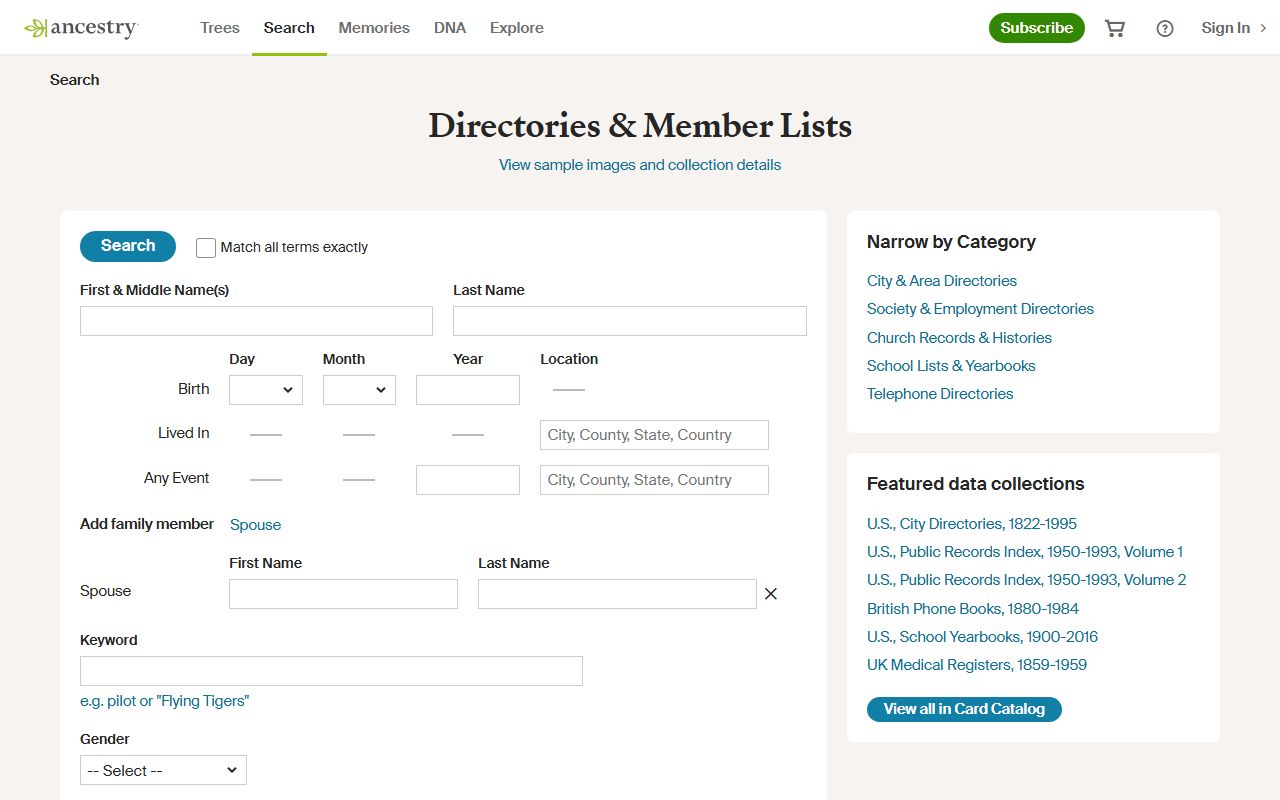
This broad index is useful when a Sumner County death record needs one more clue before you move to a formal state certificate request.
Sumner County Access Rules
Sumner County death records still follow Tennessee law even when the search starts in Gallatin. The Tennessee death records statutes explain the legal frame for registration and access. That is useful when you need to understand why one record is open, why identification is required, or why a county office can guide research without providing the certified copy itself.
The larger filing system matters too. The CDC National Vital Statistics System helps explain the standardized death-certificate structure behind Tennessee records. That context is useful in Sumner County because it shows why the state copy process is formal and why the county archives role is different. County holdings can guide the search. The state system handles the legal certificate.
Keeping that split clear is what makes the search efficient. The Sumner County Archives request path, the TSLA fact sheet, and the state vital records process all serve different parts of the same search. Use the county tools to identify and localize the record. Use the state process to obtain the certified copy when you know it is the one you need.
Before you use the national vital statistics image below, open the source link first: CDC National Vital Statistics System.
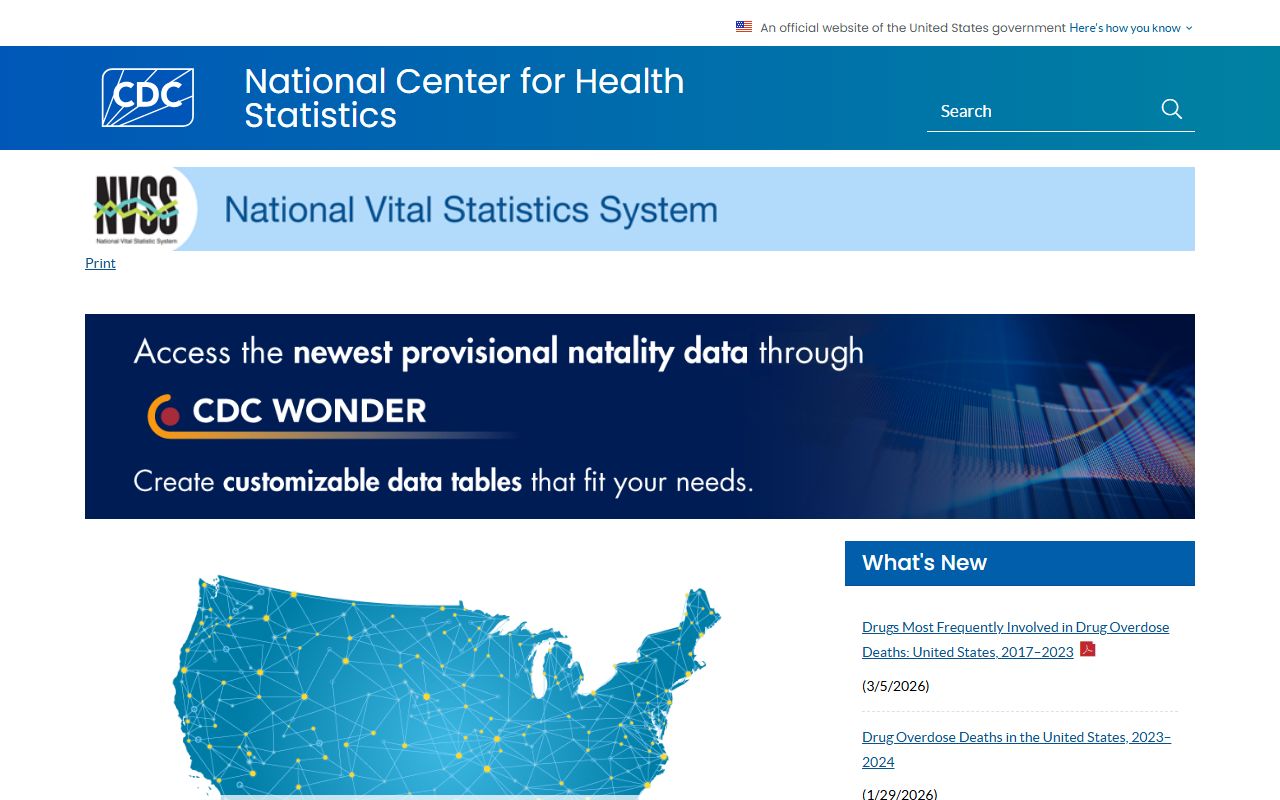
This source explains the broader filing system behind Sumner County death records and why county research and state certification are separate steps.