
Search Williamson County Death Records
Williamson County death records are easiest to sort when you begin in Franklin and then move through the county archives reading room, Tennessee State Library and Archives guidance, and the state certificate process in order. That route works here because Williamson County has a strong local archives structure and a county-seat history that still shapes the research path. If the death is recent, the state office is still the correct place for the certified copy. If it is older, Franklin and the county archives path usually help narrow the right person first.
Williamson County Death Records Facts
Williamson County Death Records Sources
The best county overview is the TSLA Williamson County fact sheet. It gives the county-history frame, identifies Franklin as the county seat, and points researchers toward county-specific research aids. That matters because Williamson County death records often need a local frame before the right entry becomes clear. A county fact sheet helps you decide whether the record belongs in a county-history search, a broader archive search, or the current Tennessee certificate system.
The strongest local county source is the Williamson County Archives reading room. The official county page describes the reading room as part of the county archives operation, which gives researchers a direct county path for older records and supporting material. That is useful because historical death research in Williamson County often depends on more than one record set. A probate file, newspaper, cemetery clue, or county note may help identify the correct death before the state copy is ordered.
Franklin belongs in the search from the beginning because the county seat anchors the archives workflow. Even when Brentwood or another Williamson County community appears in a family story, Franklin remains the practical county center for records work. That keeps the search grounded in the county instead of drifting to the state level too early.
The county sources work best when they are treated as a sequence. First, use the TSLA county fact sheet to place the family in the county frame. Then use the archives reading room to see what local holdings can confirm. Only after that should you move to the certified copy process if you still need it.
Note: Williamson County death records are easier to trust when you line up Franklin, the county fact sheet, and the archives reading room before you request a copy.
Williamson County Death Records Archives
The Williamson County Archives reading room is the most useful local research stop when you need context before you order a copy. In counties with deep record holdings, a death may be easier to confirm through county archives material than through a broad index alone. That is the practical value of a county reading room. It gives you a way to connect a death to probate, county court, local property, burial context, or family references without leaving the county frame.
The county archives path also helps because Williamson County family lines often cross Franklin, Brentwood, and the rest of the county. That means a death search can become easier once you know which county community to keep in view. The reading room approach supports that kind of search because it keeps the work county-specific and tied to a local archival structure instead of a broad statewide guess.
Before you use the TSLA guide image below, open the source link first: TSLA vital records guide.
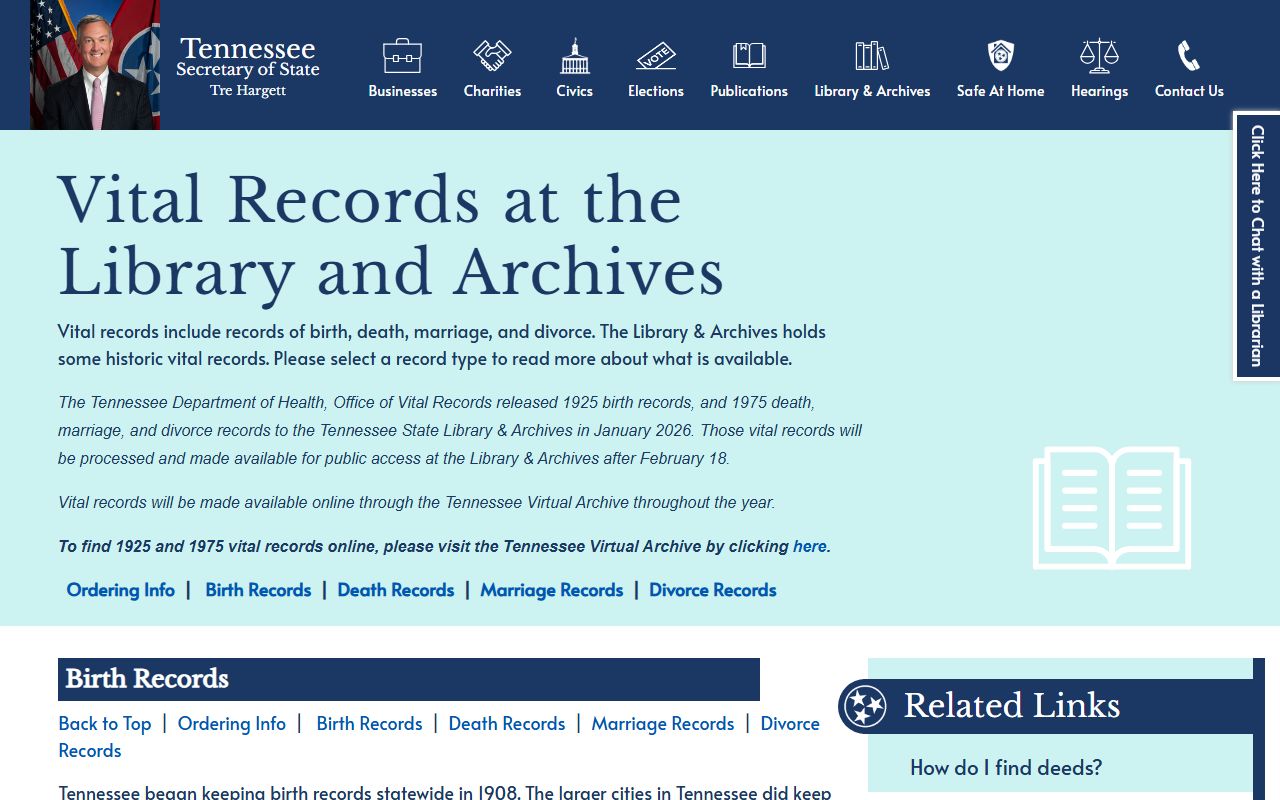
This guide helps show how Williamson County research and Tennessee archive custody fit together as records age out of the active state office window.
The practical rule is simple. Use the county archives path to understand the local record trail. Use the state office when you need the legal copy.
Williamson County Death Certificates
When you need a certified Williamson County death certificate, the Tennessee Office of Vital Records is still the correct source. The CDC Tennessee vital records page explains the current state ordering path and keeps the address, fee, and identification rules together. That matters because the county archives are helpful for research and county-record context, but they do not issue state death certificates. If the record is needed for probate, insurance, estate work, or another legal purpose, the state route is the right route.
The year of death matters as much as the county. Tennessee keeps death records for 50 years at the state office, then older records move toward TSLA. In Williamson County, that means a recent death normally belongs in the state office workflow, while an older death often benefits from Franklin archive context first. The county and state roles are different, and keeping them separate avoids wasted requests.
The request itself is also formal. A certified copy is a legal record. The more exact your information, the better the outcome. A full name, an approximate year, and a Williamson County or Franklin clue can save time. If you also know a cemetery, funeral home, or town within the county, that can help you confirm the correct record before you request it.
Before you use the CDC image below, open the source link first: CDC Tennessee vital records information.
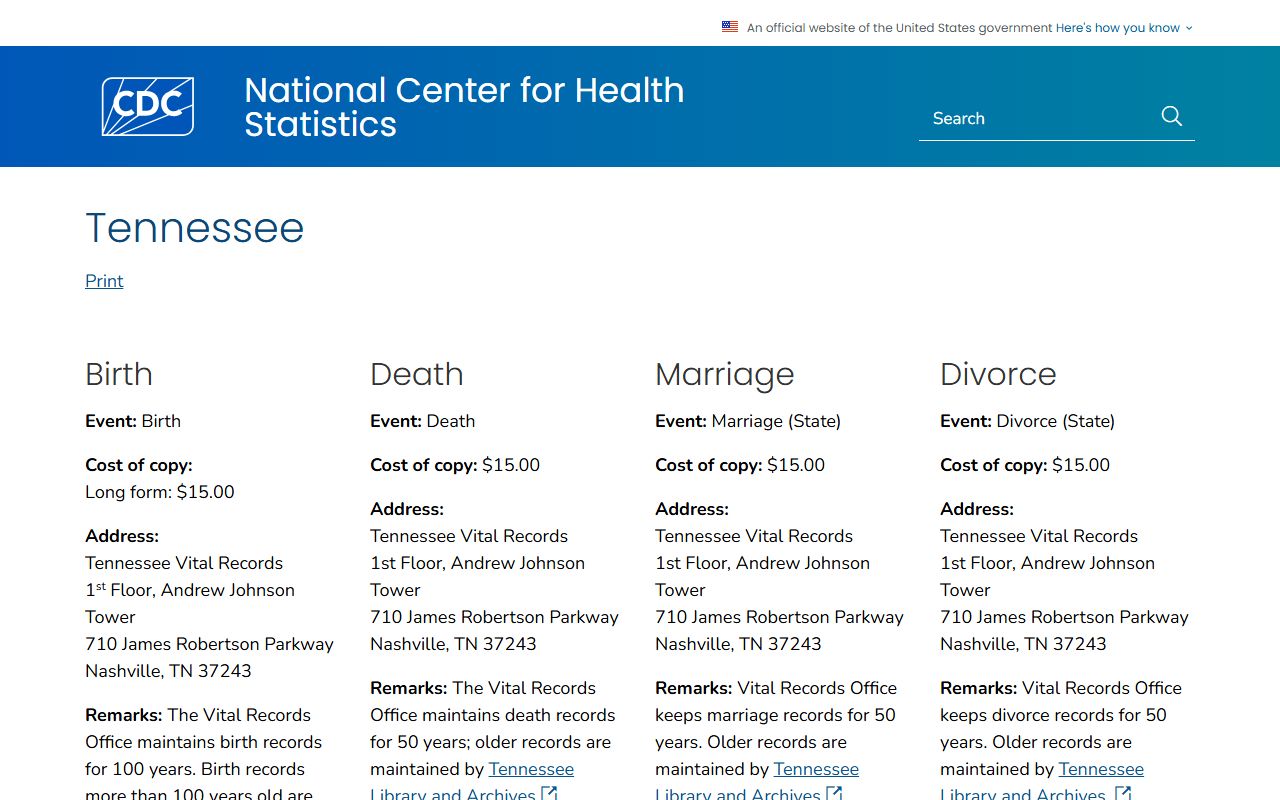
This source keeps the state copy process clear when a Williamson County death record moves from local research into formal ordering.
For older records, the best outcome usually comes from using the county archives path and the state archive tools before placing the final request.
Franklin and Brentwood Death Records
Franklin is the county seat, so it sits at the center of Williamson County death records research. That does not mean every death happened in Franklin. It means the county record structure points back there. When a family lived in Brentwood or another part of the county, Franklin still provides the county-seat anchor that makes the search more precise. That is important when a record needs county context before it becomes obvious in a statewide system.
The TSLA fact sheet for Williamson County helps reinforce that local frame. It gives county formation details, county seat information, and research aids that are useful for older deaths. That local frame matters because Williamson County has deep records history. A county history clue or a research aid can be enough to separate the right person from a similar name elsewhere in Tennessee.
The county archives reading room also works as part of the Franklin search. It gives a place to start when the death record trail needs county holdings first. That can be especially useful when a death is older than the main state office window or when the search begins with a family story instead of a certificate number.
Before you use the TSLA portal image below, open the source link first: Tennessee State Library and Archives portal.

The TSLA portal is the broader archive gateway for Williamson County death records that need more than the county reading room alone.
Franklin is the practical anchor for county-focused death record work, even when the family history reaches across the rest of Williamson County.
Williamson County Death Records Search Tips
Good Williamson County death records searches begin with a name, a place, and a year range. If you know Franklin, use it. If the family was tied to Brentwood, include that too, but keep the search county-focused. Small details matter because older death records often rely on county context that is not obvious from a name alone. A local place name can narrow the search faster than a broad statewide lookup.
Use the county and state sources in a steady order:
- Start with the TSLA Williamson County fact sheet for Franklin and county research aids.
- Use the Williamson County Archives reading room for county holdings and local record framing.
- Check the TSLA vital records guide when the record looks older or the custody question is unclear.
- Move to the CDC Tennessee vital records page when you need the certified state copy.
- Use Ancestry Tennessee records to compare a broader index against your county clues.
That order works because it keeps the search grounded in the county first. Williamson County has enough record depth that one county clue can unlock the rest. If the death is older than expected, the county archives path can help you avoid placing a state request before you know you have the right person.
The Tennessee timeline still matters. Statewide death registration begins in 1908, the first law ended in 1912, and 1913 is the gap year between laws. If your Williamson County death falls in that period, expect to rely more heavily on county aids, TSLA guidance, and broader index tools than on one single source.
Before you use the Ancestry image below, open the source link first: Ancestry Tennessee records.
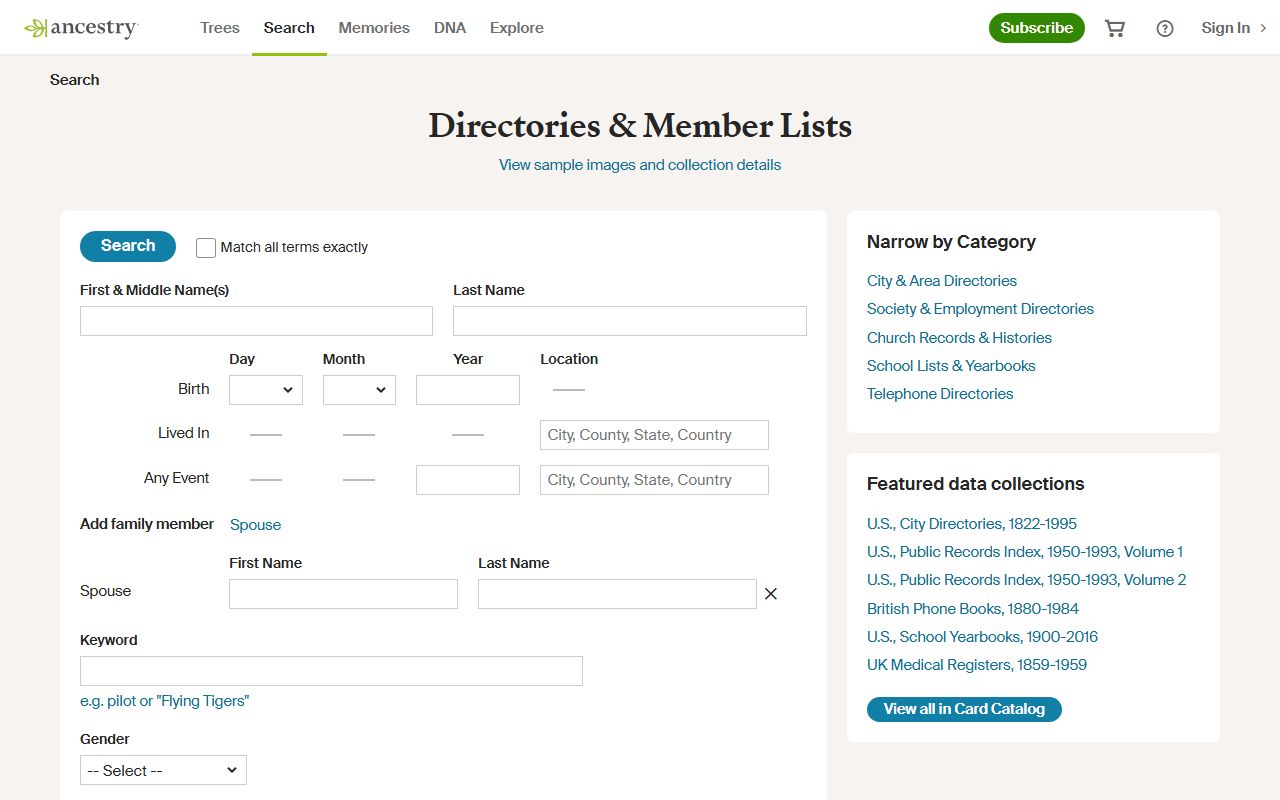
This broad index is useful when a Williamson County death record needs one more clue before you move to a formal state certificate request.
Williamson County Access Rules
Williamson County death records still follow Tennessee law even when the search starts in Franklin. The Tennessee death records statutes explain the legal frame for registration and access. That is useful when you need to understand why one record is open, why identification is required, or why a county office can guide research without providing the certified copy itself.
The larger filing system matters too. The CDC National Vital Statistics System helps explain the standardized death-certificate structure behind Tennessee records. That context is useful in Williamson County because it shows why the state copy process is formal and why the county archives role is different. County holdings can guide the search. The state system handles the legal certificate.
Keeping that split clear is what makes the search efficient. The Williamson County Archives reading room, the TSLA fact sheet, and the state vital records process all serve different parts of the same search. Use the county tools to identify and localize the record. Use the state process to obtain the certified copy when you know it is the one you need.
Before you use the national vital statistics image below, open the source link first: CDC National Vital Statistics System.
This source explains the broader filing system behind Williamson County death records and why county research and state certification are separate steps.